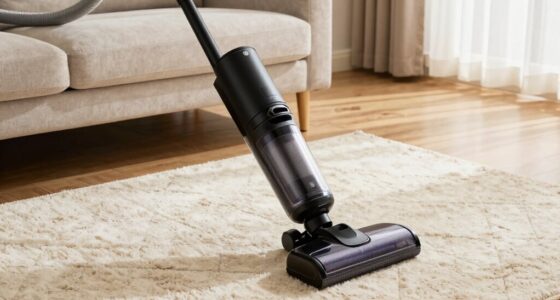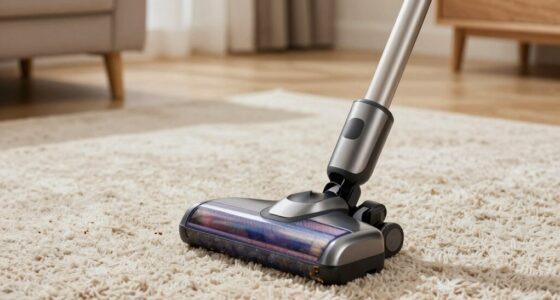
The real difference between everyday dirt and embedded dirt is how deeply they cling to surfaces. Everyday dirt, like dust or crumbs, sits on the surface and’s easy to wipe away with quick cleaning. Embedded dirt, however, becomes ingrained into the material, often hiding in cracks, grout, or porous fibers. To effectively remove embedded dirt, you’ll need more thorough techniques, like scrubbing or steam cleaning. Keep exploring to discover how expert cleaning methods can make a difference.
Open a free Amazon Business account
Business pricing, bulk buying and tax-exempt orders.
As an affiliate, we earn on qualifying purchases.
Key Takeaways
- Everyday dirt accumulates on surfaces and is easily removed with routine cleaning, while embedded dirt is deeply ingrained and harder to eliminate.
- Embedded dirt penetrates porous and textured surfaces, requiring specialized cleaning methods like scrubbing or steam cleaning.
- Surface type influences dirt behavior; smooth surfaces retain less embedded dirt compared to porous materials like carpets and upholstery.
- Regular cleaning effectively removes surface dirt, but embedded dirt needs intensive techniques to prevent surface damage.
- Proper identification of dirt type guides appropriate cleaning strategies, ensuring thorough removal and surface longevity.

Dirt is dirt, right? Well, not exactly. When you’re cleaning, understanding the difference between everyday dirt and embedded dirt can make all the difference in how you approach your cleaning techniques. Everyday dirt is the kind that sits on the surface—like dust on a table or crumbs on the floor. It’s usually easy to spot and remove with a quick wipe or sweep. Embedded dirt, however, is a different story. It’s deeply ingrained into the surface material, almost like it’s become part of it. This type of dirt often requires more effort and specialized cleaning techniques to get rid of. Recognizing the surface types you’re dealing with is essential because different surfaces respond differently to cleaning.
When tackling surface types, you need a clear strategy. For smooth, hard surfaces like tiles, wood, or laminate, regular cleaning techniques work well for everyday dirt. You can use a damp cloth, a mop, or a vacuum to pick up loose debris. But when dirt becomes embedded in these surfaces—say, in the scratches of hardwood or the grout lines of tiles—you’ll need to go beyond just surface cleaning. For surface types that are porous or textured, like carpets or fabric upholstery, embedded dirt can be even more stubborn. Regular vacuuming may lift surface dust, but deep-set dirt often requires shampooing, steam cleaning, or the use of specialized stain removers. Understanding the structure of surfaces and how dirt interacts with them is key to effective cleaning and damage prevention. Without proper knowledge of the surface composition, you may end up using ineffective methods that can damage the material. Knowing the properties of different materials can help you choose the most suitable cleaning methods and prevent unnecessary wear.
You might think that all dirt is the same, but understanding the nature of embedded dirt versus everyday dirt helps you choose the right cleaning techniques. For example, a gentle sweep or dusting might suffice for surface dirt, but when dirt is embedded, you need to apply more targeted solutions—like using a scrub brush with a cleaning solution or employing heat and moisture to loosen it. The key is to match your cleaning approach to the surface type and the level of dirt. If you ignore the difference, you risk either not fully cleaning or damaging the surface. Additionally, understanding the surface types can help prevent future buildup by choosing appropriate cleaning products and methods. Properly addressing embedded dirt not only restores the appearance but also prolongs the life of the surface, emphasizing the importance of tailored cleaning strategies.
As an affiliate, we earn on qualifying purchases.
Frequently Asked Questions
Can Embedded Dirt Cause Long-Term Damage to Surfaces?
Embedded dirt can cause long-term damage to surfaces because it seeps into the surface porosity, making it harder to clean and increasing the risk of deterioration. Over time, trapped dirt can trigger chemical reactions with cleaning agents or environmental elements, leading to discoloration, erosion, or structural weakening. If you don’t remove it properly, this dirt can compromise the integrity of materials, causing damage that’s difficult to repair later on.
How Do Cleaning Methods Differ for Embedded Versus Everyday Dirt?
You clean embedded dirt differently because surface porosity affects how deep the grime goes, requiring more intensive methods like scrubbing or specialized cleaners. For everyday dirt, regular cleaning with a simple wipe or vacuum suffices. You should also adjust your cleaning frequency: more frequent cleaning prevents dirt from becoming embedded, while less frequent cleaning allows dirt to settle deeper into porous surfaces, making removal more challenging.
Is Embedded Dirt More Common in Certain Environments?
You might find embedded dirt more common in environments with high surface porosity, like carpets or porous walls, where dirt settles deeper. This presence impacts the environmental footprint, as more intensive cleaning often uses chemicals and water. Surfaces with less porosity tend to trap less dirt, making cleaning easier and less impactful. So, your environment’s material and porosity directly influence how much embedded dirt accumulates, affecting both cleaning effort and environmental impact.
What Tools Are Best for Removing Embedded Dirt?
To remove embedded dirt effectively, you should use a combination of chemical cleaning and abrasive techniques. Chemical cleaners penetrate deep into surfaces to loosen stubborn particles, making removal easier. Follow up with abrasive tools like scrubbing brushes, scrub pads, or even power washers for tougher spots. Always wear proper protective gear and test cleaning methods on small areas first to avoid damage. This approach guarantees thorough cleaning of embedded dirt.
Can Embedded Dirt Be Visible to the Naked Eye?
Yes, embedded dirt often hides in plain sight, thanks to surface penetration that masks its presence. You might think your floor’s spotless, but hidden contaminants cling beneath the surface, unseen to the naked eye. These stubborn specks require a keen eye or thorough cleaning to uncover, proving that what appears clean could secretly harbor dirt deep within. So, don’t be fooled—sometimes, dirt’s best hiding spot is right under your nose.
Conclusion
So, next time you see that stubborn, embedded dirt clinging to your floors, remember—it’s not just dirt, it’s a tiny invader that’s been secretly plotting its stay for ages. Unlike everyday dirt, which wipes away easily, embedded dirt is like an unshakeable fortress. If you ignore it, it’ll take over your home, turn your cleaning routine into a never-ending battle, and probably summon dust bunnies from the depths of the universe. Trust me, don’t underestimate the power of embedded dirt!
Flea & tick season Picks
flea and tick prevention
As an affiliate, we earn on qualifying purchases.