Self-emptying systems change your daily maintenance by automating waste disposal and sanitation, so you spend less time on manual tasks. They detect when containers are full and activate cleaning processes independently, keeping things hygienic and odor-free. This reduces your need for frequent checks and minimizes disruptions, making maintenance almost invisible in your routine. If you want to understand how these smart systems keep your space cleaner and easier, there’s more to explore below.
Key Takeaways
- Automate waste management, reducing the need for manual cleaning and emptying routines.
- Detect fullness and activate cleaning independently, minimizing user intervention.
- Enhance hygiene by maintaining cleanliness without frequent user effort.
- Improve convenience through scheduled or sensor-activated maintenance, saving time.
- Ensure consistent device performance and reduce errors with proactive self-maintenance.
Have you ever wondered how some systems manage to operate seamlessly without constant manual intervention? The answer often lies in self-emptying systems, which are transforming daily maintenance routines. These systems leverage automated sanitation to keep themselves clean, reducing the need for you to perform regular, hands-on cleaning tasks. This automation not only saves time but also enhances user convenience, allowing you to focus on more important activities instead of routine chores. By handling waste removal automatically, self-emptying systems eliminate the hassle of frequent emptying and cleaning, making daily operation smoother and more efficient.
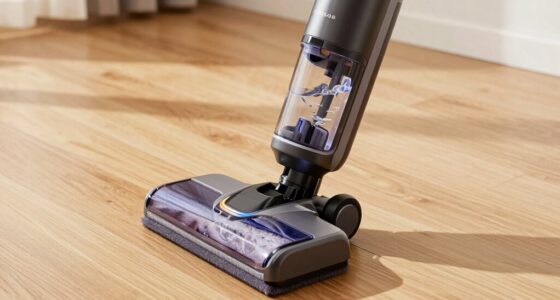
When you use a self-emptying system, you notice how consistent and reliable it becomes. Instead of manually emptying a dustbin or cleaning components, the system detects when it’s full and activates its automated sanitation process. This feature ensures hygiene is maintained without your intervention, minimizing odors and preventing buildup of debris or bacteria. Such automation means fewer interruptions in your day, especially if you rely on devices like robotic vacuum cleaners or smart trash bins. The convenience of not having to check and empty these systems regularly is a game-changer, especially in busy households or workplaces. Additionally, these systems often incorporate automation technology, which continuously advances their ability to perform tasks more efficiently and safely. As these systems grow more sophisticated, they will likely incorporate smart sensors**** that further improve their performance and responsiveness.
Moreover, self-emptying systems are designed with user convenience at their core. They are built to operate quietly and efficiently, so you don’t need to worry about loud noises or disruptive maintenance tasks. You can set these systems to run on schedules or have them respond automatically to sensors, making maintenance almost invisible to your daily routine. This level of automation also reduces the chances of human error — you won’t forget to empty or clean the device, because it does that for you. Incorporating hygienic design features, these systems help maintain a clean environment effortlessly. A sustainable approach in design also ensures that these systems use resources efficiently, reducing environmental impact. Additionally, advancements in self-maintenance contribute to their ability to detect and address minor issues before they become major problems, further enhancing their reliability. As a result, you get a consistently hygienic environment without extra effort, which is particularly beneficial for individuals with busy lifestyles or those who prefer a more hands-off approach.
In essence, the shift towards self-emptying systems means you no longer have to think about daily cleanup chores. The combination of automated sanitation and user convenience ensures that your devices stay clean and functional with minimal effort on your part. It’s all about making daily maintenance simpler, smarter, and less invasive, so you can enjoy the benefits of advanced technology without the usual hassles. As these systems become more sophisticated, they’ll continue to redefine what you expect from maintenance routines, giving you more time and peace of mind to focus on what truly matters.

Tikom Robot Vacuum and Mop, Robotic Vacuum Cleaner with Self-Emptying Base
- Long-Lasting Self-Emptying: 90-day capacity with 3L dustbag
- Powerful 6000Pa Suction: Effortlessly cleans pet hair and debris
- Advanced LiDAR Navigation: Creates smart home maps and avoids obstacles
As an affiliate, we earn on qualifying purchases.
As an affiliate, we earn on qualifying purchases.
Frequently Asked Questions
What Are the Main Components of Self-Emptying Systems?
The main components of self-emptying systems include a waste container, an automated disposal mechanism, sensors, and a control unit. These parts work together to enhance maintenance efficiency by monitoring waste levels and triggering automatic disposal. System integration guarantees seamless operation, reducing manual effort and preventing overflows. You benefit from less frequent maintenance, improved hygiene, and a more reliable system that keeps itself clean and functional without constant human intervention.
How Do Self-Emptying Systems Affect Long-Term Maintenance Costs?
Self-emptying systems lower your long-term maintenance costs by reducing manual intervention and preventing system breakdowns. They boost efficiency by automatically managing waste, which minimizes downtime and repair expenses. You’ll notice cost reduction over time because these systems streamline operations and keep components cleaner, extending their lifespan. Overall, they help you save money and improve operational efficiency by ensuring consistent, reliable performance without frequent maintenance needs.
Are Self-Emptying Systems Suitable for All Types of Equipment?
Like a knight’s armor in a sci-fi saga, self-emptying systems aren’t suitable for all equipment types. You need to take into account manual intervention needs and system compatibility. While they excel in automated, high-use settings, some machinery may require tailored solutions or manual upkeep. Assess your equipment’s specifications and operational demands carefully, or you might find these systems more of a mismatch than a magic fix.
What Are Common Challenges in Implementing Self-Emptying Systems?
You might face challenges implementing self-emptying systems, especially if the design isn’t user-friendly. Users may struggle with unfamiliar features without proper training, leading to errors or underuse. Guaranteeing clear instructions and intuitive interfaces helps overcome these hurdles. Regular user training is vital to maximize system efficiency and safety, making the shift smoother. Addressing these challenges early guarantees the system operates reliably and reduces maintenance issues over time.
How Do Self-Emptying Systems Impact Environmental Sustainability?
Like Prometheus bringing fire, self-emptying systems ignite environmental benefits by promoting waste reduction and energy efficiency. You’ll notice less landfill waste and lower energy consumption, helping ecosystems thrive. These systems minimize human intervention, reducing resource use and emissions. By adopting them, you actively contribute to sustainability, making a tangible difference in preserving our planet’s health while streamlining daily operations effortlessly.
Conclusion
Think of self-emptying systems as the steady river that clears its own banks, allowing you to focus on the journey ahead. Just as the river’s flow prevents flooding and stagnation, these systems keep your maintenance routine smooth and effortless. Embrace this allegory, and you’ll see that when you let technology handle the cleanup, you free yourself to navigate life’s currents with confidence, knowing your foundation remains clear and ready for whatever comes next.