
Eco-friendly materials are essential in vacuum design, helping you make greener choices. By choosing vacuums made from biodegradable plastics, you’re reducing landfill waste and supporting a cleaner environment. These materials promote sustainable manufacturing practices, which lower carbon emissions and resource consumption. Durable materials also mean you’ll replace your vacuum less often, further minimizing your ecological footprint. Explore how these innovations can influence your cleaning habits and benefit the planet as you consider your next vacuum purchase.
Key Takeaways
- Eco-friendly materials, like biodegradable plastics, minimize landfill impact and support sustainable product lifecycles in vacuum design.
- Durable materials enhance vacuum longevity, reducing the need for replacements and conserving resources over time.
- Sustainable manufacturing practices, including responsible sourcing and energy-efficient processes, lower carbon footprints in vacuum production.
- Using biodegradable plastics in vacuums contributes to waste reduction and supports a cleaner planet.
- Consumer demand for eco-conscious products is driving industry shifts toward sustainability in vacuum design.

When it comes to choosing a vacuum cleaner, you might not think much about the materials used in its construction. However, these materials play a vital role in the environmental impact of the product. By opting for eco-friendly materials, you can make a significant contribution to reducing waste and promoting sustainable manufacturing practices. It’s essential to be aware of what goes into your vacuum cleaner and how it affects the planet.
One of the most exciting developments in vacuum cleaner design is the increased use of biodegradable plastics. Unlike traditional plastics that can take centuries to decompose, biodegradable options break down more quickly when exposed to the right conditions. By choosing a vacuum made with biodegradable plastics, you’re not just investing in a cleaner home; you’re also supporting a cleaner planet. Imagine how fulfilling it feels knowing that your vacuum’s materials won’t linger in landfills for generations.
Choosing a vacuum with biodegradable plastics means supporting a cleaner planet and reducing long-lasting landfill waste.
Sustainable manufacturing goes beyond just the materials. It’s about the entire lifecycle of the product, from extraction to production. Many brands are now committed to reducing their carbon footprint by sourcing materials responsibly and implementing energy-efficient manufacturing processes. Newer, efficient stove models are available for consumers looking for eco-friendly solutions, encouraging an industry-wide shift toward more environmentally conscious practices. This choice sends a clear message that consumers care about the planet and demand better products.
Another aspect to think about is the durability of the materials used in your vacuum. A well-constructed vacuum can last for years, reducing the need for frequent replacements. When you invest in a vacuum made of high-quality, sustainable materials, you’re not only making a smart financial choice but also minimizing waste. Less frequent purchases mean fewer resources consumed and less landfill waste generated.

Eco Friendly Floor Cleaner Concentrated Biodegradable Cruelty-Free Hard-Surface Hardwood Laminate Vinyl LVT LVP Marble,Plastic Free Light-weight Refill Lavender 60 Sheets Perfect for Mop Buckets
SAFE FOR PEOPLE PETS & FLOORS – kind to kids & pets,cruelty-free,non-slip,natural,gentle friendly.deep cleans kinds of hard surface…
As an affiliate, we earn on qualifying purchases.
As an affiliate, we earn on qualifying purchases.
Frequently Asked Questions
How Do Eco-Friendly Materials Impact Vacuum Performance?
Eco-friendly materials can enhance your vacuum’s performance by improving suction efficiency while addressing durability concerns. When you use sustainable components, you often find that they’re designed to maintain strength over time, preventing wear and tear. This means your vacuum can operate effectively without compromising on its eco-friendly aspect. Plus, by choosing these materials, you contribute to a greener planet without sacrificing the power and longevity you need in a vacuum cleaner.
Are Eco-Friendly Vacuums More Expensive Than Traditional Ones?
Yes, eco-friendly vacuums often come with a higher price tag than traditional ones. This cost comparison stems from the more sustainable material sourcing used in their production, which can drive up manufacturing costs. While you might pay more upfront, consider the long-term benefits, like energy efficiency and reduced environmental impact. Investing in an eco-friendly vacuum not only helps the planet but can also save you money on utility bills over time.
Can Eco-Friendly Materials Be Recycled After Vacuum Use?
Absolutely, eco-friendly materials can be recycled after vacuum use, but it’s not always a walk in the park. Picture mountains of vacuum parts, each with recycling challenges! While some materials break down easily, others can be as stubborn as a mule, thanks to their durability. You’ll need to make sure you’re sorting them properly to tackle those challenges. So, with a little effort, you can give those eco-friendly materials a second life!
What Certifications Should I Look for in Eco-Friendly Vacuums?
When shopping for eco-friendly vacuums, look for products that meet eco label standards like ENERGY STAR, which signifies energy efficiency, and other certifications from reputable organizations. Check if the vacuum meets certification requirements for low emissions, ensuring cleaner air quality. Additionally, certifications like UL EcoLogo can indicate sustainable practices in manufacturing. These labels help you choose a vacuum that’s not only effective but also environmentally responsible, making a positive impact on your home and the planet.
How Do I Properly Dispose of Eco-Friendly Vacuum Materials?
To properly dispose of eco-friendly vacuum materials, start by checking local recycling programs that accept sustainable disposal. Many components, like plastics and metals, can be recycled if they’re clean and sorted correctly. For non-recyclable parts, look into eco-friendly waste management facilities that specialize in responsible disposal. Always follow your area’s guidelines to minimize environmental impact. By doing this, you’re contributing to a greener planet and supporting sustainable practices in your community.

2 Pack Hepa Filters Replacement Compatible with CHEBIO A16 Cordless Vacuum, Washable and Durable Filters Works with CHEBIO Stick Vacuum.
【Perfect Compatibility】These replacement filters are compatible with Chebio A16 cordless vacuum only.
As an affiliate, we earn on qualifying purchases.
As an affiliate, we earn on qualifying purchases.
Conclusion
In the world of vacuum design, choosing eco-friendly materials is like planting seeds for a greener future. You’re not just cleaning your space; you’re nurturing the planet. By embracing sustainable options, you’re weaving a tapestry of innovation that harmonizes efficiency with environmental responsibility. So, as you make your next vacuum purchase, remember: each choice you make can spark a ripple of positive change, turning your cleaning routine into a powerful statement for a healthier Earth.

Miele Original AirClean 3D Efficiency U Vacuum Cleaner Bags for Miele Dynamic U1 and S7 Models, Filters More Than 99.9% of Dust, Pack of 4 – 10123230
Captures Over 99.9% of Dust Particles
As an affiliate, we earn on qualifying purchases.
As an affiliate, we earn on qualifying purchases.
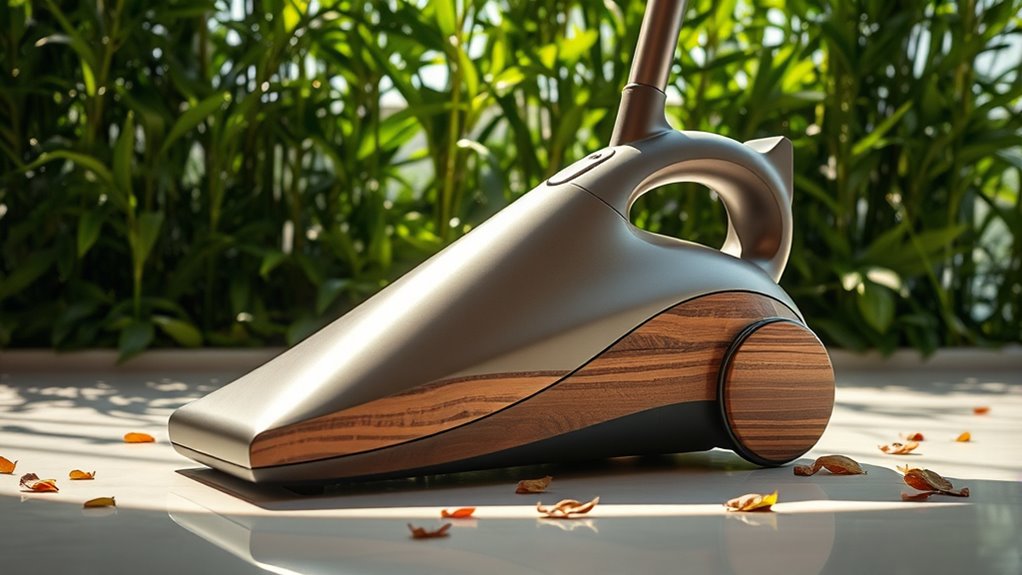
vacuum cleaner made from biodegradable plastics
As an affiliate, we earn on qualifying purchases.
As an affiliate, we earn on qualifying purchases.