To prevent long hair from damaging your vacuum, regularly check and remove hair from the brush roll using scissors or a seam ripper. Consider attaching hair-resistant tools or filters, like pet hair guards or HEPA filters, to trap hair before it wraps around components. Brush your pets often and avoid vacuuming over matted fibers. Keeping these tips in mind can extend your vacuum’s life and maintain performance—if you want to learn more, keep exploring effective hair management strategies.
Key Takeaways
- Regularly inspect and remove tangled hair from the brush roll to prevent clogs and damage.
- Use hair-resistant attachments or vacuum guards to catch hair before it wraps around components.
- Choose vacuums with sealed systems and specialized filters to trap hair and reduce internal buildup.
- Brush pets frequently and pre-treat carpets to minimize loose hair that can clog the vacuum.
- Maintain and replace filters regularly to prevent debris buildup and ensure optimal suction performance.

Long hair can easily clog or damage your vacuum cleaner, leading to reduced suction and more frequent maintenance. This is especially true if you have pets or if you often vacuum carpets, which tend to trap pet hair and carpet fibers deep within their fibers. When long hair gets tangled around the brush roll or windings inside your vacuum, it hampers the device’s ability to pick up debris efficiently. Pet hair, in particular, is notorious for becoming tangled and forming clumps that stick to brush rollers, causing them to spin less freely. Carpet fibers, which are often loosened and released during vacuuming, can also wrap around moving parts, creating additional strain on your vacuum’s motor and belts. The more hair and fibers accumulate, the more your vacuum’s performance suffers, leading to a cycle where you need to clean or replace parts more often.
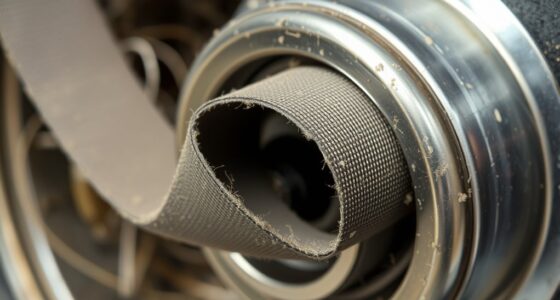
To prevent this, start by regularly inspecting your vacuum’s brush roll and removing any hair or fibers that have wrapped around it. Use scissors or a seam ripper to cut through stubborn hair strands, making it easier to pull them away from the brush. Doing this weekly, especially if you have pets or high-pile carpets, keeps the brush roll running smoothly and maintains suction power. Additionally, installing a vacuum brush guard or hair removal attachment can make this process quicker and more effective. These tools are designed to catch hair before it wraps around the brush, saving you time and reducing wear on your vacuum parts.
Another effective measure is to switch to a vacuum with a HEPA or specialized pet hair filter. These filters trap pet hair and fine carpet fibers before they reach the internal components, reducing build-up inside your vacuum. Also, consider using a vacuum cleaner with a sealed system to prevent hair and debris from escaping back into the air, which can clog filters and ducts over time. Choosing the right vacuum model with a hair-resistant feature can significantly reduce tangling issues and improve overall longevity. Additionally, using a vacuum with a hair-resistant feature can significantly reduce tangling issues and improve overall longevity.
Lastly, brushing your pets regularly reduces the amount of loose pet hair that ends up on your carpets and, consequently, in your vacuum. When cleaning, avoid vacuuming over thick, matted carpet fibers where hair and debris are densely packed. Instead, pre-treat these areas with a pet hair remover brush or a rubber broom to loosen hair and fibers before vacuuming. This pre-emptive step minimizes the amount of long hair that gets tangled in your vacuum, thereby maintaining its performance and extending its lifespan. Regular upkeep and mindful cleaning habits are your best defenses against long hair damaging your vacuum cleaner.

Tweruna 4 PCS Handheld Vacuum Cleaner Brush, Universal Dust Brush, 2 in 1 Vacuum Roller Cleaning Tool for Sweeping Robot
- Package Includes: 4 handheld vacuum brushes in 2 styles
- Premium Materials: Soft nylon bristles and durable ABS handle
- Deep Cleaning: Reaches crevices to remove hair and dust
As an affiliate, we earn on qualifying purchases.
As an affiliate, we earn on qualifying purchases.
Frequently Asked Questions
Can Long Hair Damage a Vacuum’s Motor Over Time?
Yes, long hair can damage your vacuum’s motor over time. Hair entanglement in brushes causes motor strain, making it work harder and potentially overheating. This extra effort can wear out the motor faster and reduce suction power. To prevent this, regularly remove hair from brushes and filters, ensuring the vacuum runs smoothly. Proper maintenance helps prolong your vacuum’s lifespan and keeps it performing efficiently.
Does Vacuum Performance Decline With Long Hair Buildup?
Absolutely, your vacuum’s performance takes a nosedive with long hair buildup. Hair entanglement in brushes and hoses causes suction reduction, turning your cleaning hero into a sluggish sidekick. Over time, this sneaky clogging not only hampers cleaning power but also strains the motor. So, if you love your vacuum, make sure to clear out those hair clogs regularly—before they turn your cleaning routine into a frustrating hair-raising adventure.
Are Specific Vacuum Models Better for Long-Haired Users?
Yes, some vacuum models are better for long-haired users. Look for vacuums with easy-to-maintain filters, as long hair can clog filters quickly. Also, consider cord length to prevent frequent unplugging when cleaning large areas, reducing hair tangles in unreachable spots. Choosing models with strong suction and accessible filter maintenance helps keep performance ideal and minimizes long hair buildup, ensuring your vacuum works efficiently over time.
How Often Should I Clean My Vacuum to Prevent Hair Damage?
You should clean your vacuum weekly to prevent hair buildup, which helps with hair removal and maintains suction. Regularly empty the canister or replace the bag, and check the brush roll for tangled hair. Remove hair from filters and vents to prevent clogging. These steps guarantee peak suction, prolong your vacuum’s lifespan, and keep it performing well even with long hair. Consistent maintenance is key to avoiding damage.
Can Using a Vacuum on High Power Damage Long Hair Attachments?
Using a vacuum on high power can cause hair entanglement in attachments, which may lead to attachment wear over time. The strong suction pulls long hair into brushes and hoses, increasing the risk of damage. To prevent this, you should avoid running the vacuum on maximum power if you have long hair. Regularly check and clear attachments to minimize hair entanglement and prolong their lifespan.
Conclusion
To keep your vacuum running smoothly, always clear out hair tangled in the brush roller and filters. Regular maintenance prevents hair from clogging the system and guarantees your vacuum doesn’t become a sluggish, dust-choked beast. By giving your vacuum the attention it needs, you’ll extend its life and keep your home spotless. Think of your vacuum as a mighty warrior—only with your help can it conquer even the most stubborn hair battles without losing its superpower.