
To clean foam filters, carefully remove the filter to avoid tears, then rinse it under warm water to loosen debris. Use a soft brush or sponge with a gentle, aquarium-safe cleaner to scrub dirt from the pores. Rinse thoroughly, squeeze out excess water without twisting, and let it air dry completely before reinstalling. Regular cleaning keeps your filter working efficiently—if you keep going, you’ll discover even more expert tips for maintaining your system.
Key Takeaways
- Carefully remove the foam filter to prevent tearing, handling gently throughout the process.
- Rinse with warm water and soak in aquarium-safe cleaning solution to loosen dirt.
- Use a soft brush or sponge to scrub pores and remove stubborn debris gently.
- Rinse thoroughly to eliminate soap residues and squeeze out excess water without twisting.
- Allow the filter to air dry completely before reinstallation to prevent mold and bacteria growth.
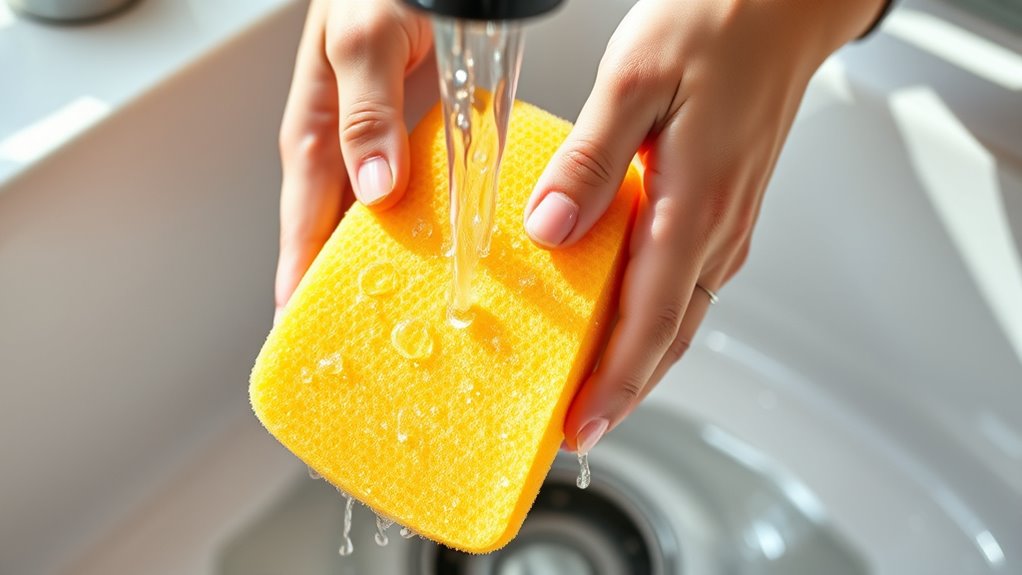
Have you ever wondered how to keep your foam filters working like new? Proper filter maintenance plays a vital role in ensuring your filtration system performs at its best. The key is regular cleaning, which prevents dirt buildup and maintains ideal water flow. To do this effectively, you’ll need a few basic cleaning supplies, such as a gentle detergent, warm water, and a soft brush or sponge. These supplies are readily available and affordable, making routine filter care simple and manageable.
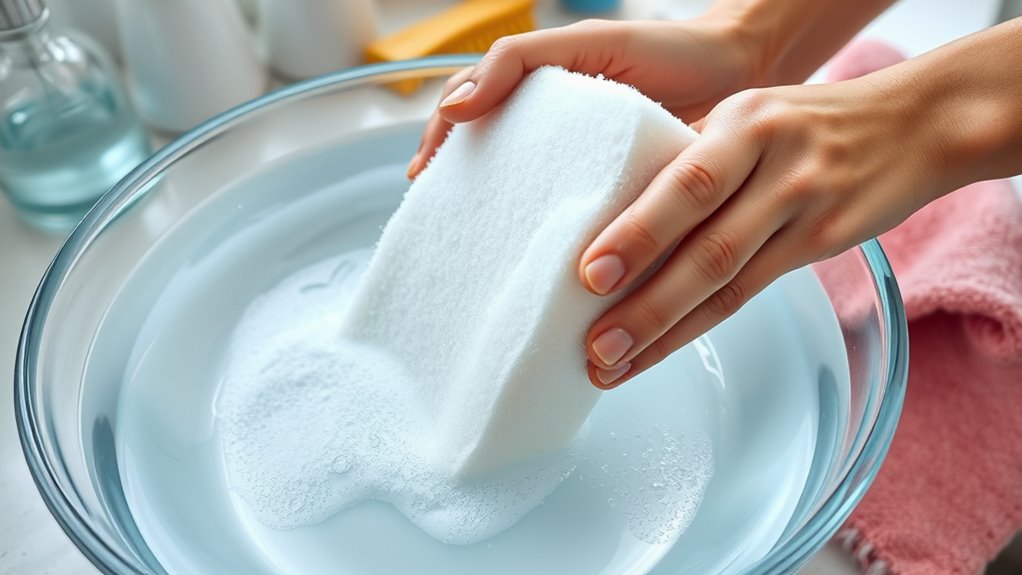
Begin by removing the foam filter from your system carefully. Handle it gently to avoid tearing or damaging the material. Once removed, rinse the filter under warm running water to loosen loose debris. Avoid using hot water, as it can damage the foam, and steer clear of harsh chemicals or detergents that might degrade the material over time. Instead, opt for a mild, aquarium-safe cleaning solution or simply plain water. If your filter is particularly dirty, fill a basin with warm water and add a small amount of cleaning supplies designed for aquarium filters. Submerge the foam and gently squeeze or agitate it to loosen dirt and debris. Do not twist or wring the foam aggressively, as that can tear or distort its structure.
After soaking, use a soft brush or sponge to carefully scrub away any stubborn dirt lodged within the pores of the foam. Pay attention to all areas, especially in the nooks and crannies, to ensure thorough cleaning. Rinse the filter thoroughly under running water to wash away any remaining residues or loosened dirt. It’s essential to remove all soap or cleaning solution to prevent chemical buildup that could harm your aquatic environment. Once clean, gently squeeze out excess water—never wring—then gently shake the filter to remove excess moisture. Allow it to air dry completely before reinstalling it into your system. Proper drying prevents mold or bacteria growth, which could compromise water quality. Additionally, leveraging AI-powered analysis can help monitor the condition of your filters over time, ensuring optimal performance and timely maintenance.

12 Pieces Tube Cleaning Brush Aquarium Filter Nylon Tube Brush Set Flexible Double-Ended Hose Pipe Cleaning Stainless Steel for Fish Tank, Kitchen, Glasses, Drinking Straws, Keyboard
Package Include: the package contains 2 pieces double ended brush (blue, yellow), 1 piece of each color and…
As an affiliate, we earn on qualifying purchases.
As an affiliate, we earn on qualifying purchases.
Frequently Asked Questions
How Often Should Foam Filters Be Cleaned?
You should clean your foam filters every 4 to 6 weeks for ideal filter maintenance. Regular cleaning helps maintain airflow and prevents dirt buildup, ensuring your system runs efficiently. If you notice decreased performance or excessive dust, increase cleaning frequency. Consistent cleaning not only prolongs filter life but also keeps your environment cleaner. Remember, proper cleaning frequency depends on your usage and environment, so adjust accordingly for the best results.
Can I Use Household Detergents to Clean Foam Filters?
Using household soap to clean foam filters is like trying to tame a wild horse—it’s possible but not ideal. Household detergents often contain harsh chemicals that can damage the delicate foam and reduce filtration efficiency. Instead, opt for gentle cleaning agents specifically designed for filters. These are safer and preserve your filter’s lifespan. Always check manufacturer recommendations to keep your filter in top shape and avoid unnecessary damage.
Are There Specific Drying Methods Recommended for Foam Filters?
You should air dry foam filters using gentle air drying techniques, like placing them in a well-ventilated area away from direct sunlight. Let them dry for about 12-24 hours, depending on thickness and humidity levels. Avoid using heat sources or towels, as they can damage the foam. Patience guarantees thorough drying, preventing mold growth and maintaining filter efficiency.
How Do I Prevent Foam Filters From Tearing During Cleaning?
To prevent foam filters from tearing during cleaning, handle them gently and avoid using excessive force. Use a soft brush or your fingers to carefully remove dirt, and don’t squeeze or twist the filter too hard. Rinse with lukewarm water gently, ensuring you don’t stretch or tear the foam. Taking these precautions helps maintain your filter’s integrity and prolongs its lifespan.
Is It Necessary to Replace Foam Filters Regularly?
You don’t always need to replace foam filters regularly if you maintain the right filter material and follow proper cleaning routines. Typically, replacement frequency depends on usage and condition—check for tears or excessive dirt. When you clean it carefully, you can extend its lifespan, saving money and effort. However, if the filter material becomes damaged or worn out, replacing it guarantees peak performance and air quality.

AQUANEAT 6-Pack Pre-Filter Sponge for Aquarium Shrimp Fry Fish Tank Filter 0.8” Intake, Replacement Foam Cover
Dimension: 8×4.5cm/3.2” x1.8”, the inside hole diameter is 2cm/0.8”; for a snug fit, check the size you need…
As an affiliate, we earn on qualifying purchases.
As an affiliate, we earn on qualifying purchases.
Conclusion
Now that you know how to clean foam filters properly, you’ll extend their lifespan and keep your equipment running smoothly. Did you know that regular cleaning can improve airflow by up to 30%, boosting performance? Just a quick wash every few weeks makes a big difference. So, don’t forget to follow these simple steps—your gear will thank you, and you’ll enjoy better efficiency and durability every time you hit the job or trail.

Frost King Air Conditioner Filters, 15 in. x24 in. x3/16 in. , Open Cell Foam
Manufacturer: THERMWELL
As an affiliate, we earn on qualifying purchases.
As an affiliate, we earn on qualifying purchases.
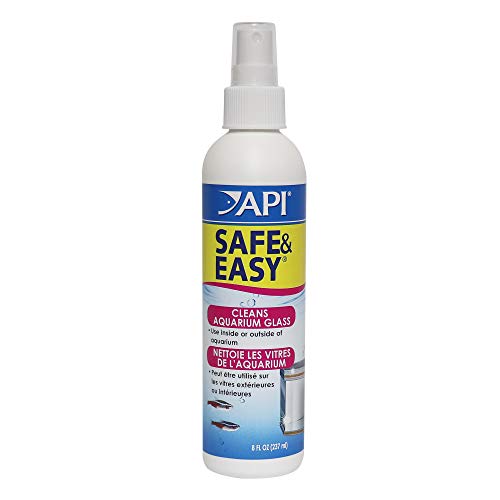
API SAFE & EASY Aquarium Cleaner Spray 8-Ounce Bottle
Contains one (1) API SAFE and EASY Aquarium Cleaner Spray 8-Ounce Bottle
As an affiliate, we earn on qualifying purchases.
As an affiliate, we earn on qualifying purchases.