
TL;DR

Get cleaning gear delivered free with Prime
- Fast, free delivery on millions of items
- Prime Video, Amazon Music and more included
- Member-only deals all year
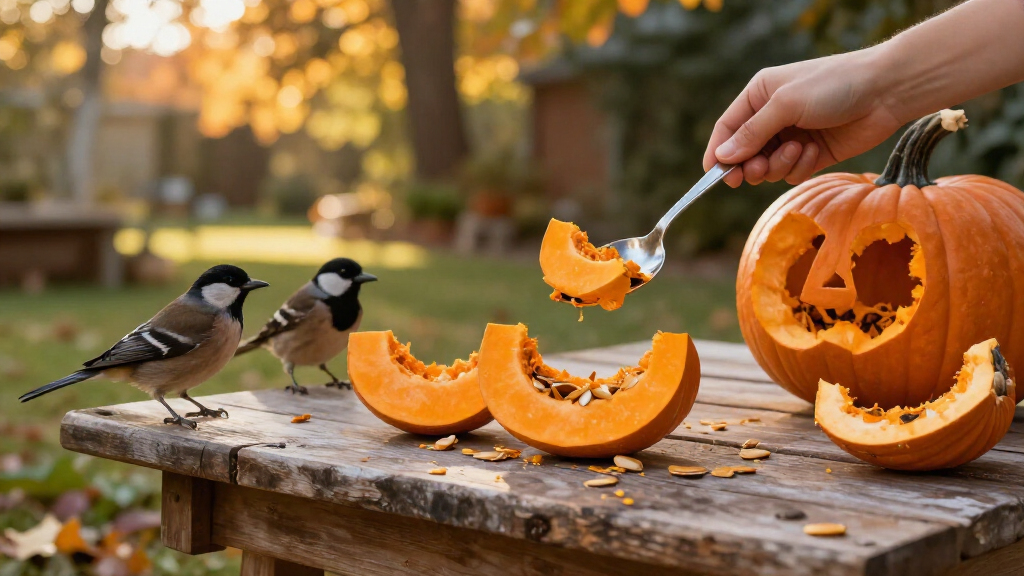
Ideal Home reports that bird specialist James Ewens recommends offering fresh pumpkin flesh or seeds to garden birds in a hanging feeder after Halloween. He warns against feeding mouldy, painted or seasoned pumpkin and says a hanging feeder helps keep it away from hedgehogs, for which pumpkin can cause digestive problems.
Gardeners can reuse fresh Halloween pumpkin as food for wild birds, according to advice from bird specialist James Ewens cited by Ideal Home. Ewens recommends placing chopped pumpkin or its seeds in a hanging bird feeder, not on the ground, and cautions that mouldy or treated pumpkin should not be offered.
Ewens, identified in the report as a bird specialist at Green Feathers, says pumpkin seeds contain protein and fats that can contribute to birds’ energy intake. The flesh provides water and fibre, according to his comments. The report presents pumpkin as a possible supplementary food during colder months, when natural food may be harder for birds to find; it does not establish that pumpkin should replace a bird’s usual diet.
Preparation matters. Ewens advises checking that the pumpkin is fresh and free of mould, and removing paint or other added materials. He recommends washing it with warm water without soap or chemicals, since waxes or coatings may remain on the surface. The report does not provide a specific storage period or a detailed cleaning standard.
For seeds, scoop them out and rinse away stringy pulp. They can be offered fresh or dried for later use, but Ewens warns against seeds that have been salted, oiled, sugared or spiced. He says larger birds, including jays, woodpeckers and nuthatches, can manage whole seeds; chopping them may make them more accessible to smaller birds such as tits and finches.
Feeder Placement Protects Wildlife
The advice is not only about reusing food waste. Where pumpkin is placed matters because hedgehogs may reach food left on the ground. Ewens says pumpkin can upset hedgehogs’ digestion and contribute to dehydration, a concern as they build fat reserves before hibernation. A hanging feeder is intended to make the pumpkin accessible to birds while reducing access for ground-dwelling animals.
For households with carved pumpkins, the suggestion offers a seasonal way to put some leftovers to use rather than discard them. But the benefit depends on the condition and preparation of the pumpkin: mould, coatings and seasonings can make it unsuitable. The report offers expert guidance, not a controlled study comparing feeding practices or measuring effects on local bird populations.
Products Worth Considering

Shark PowerDetect Corded Stick Vacuum, Self-Cleaning (Eggplant, HZ4002)

Dyson Car+Boat Cordless Handheld Vacuum

Shark Navigator Lift-Away Upright Vacuum Cleaner (NV356E)
As an affiliate, we earn on qualifying purchases.
A Seasonal Use for Carved Pumpkins
The Ideal Home report addresses what to do with pumpkins after Halloween, including those carved for decoration. It frames bird feeding as one possible disposal route for gardeners who already attract birds. Its recommendation is specifically for fresh pumpkin in a hanging feeder; it does not suggest putting a whole pumpkin outdoors or leaving scraps on the ground.
The report also distinguishes between food for birds and food for hedgehogs. Ewens says hedgehogs are primarily insect-eaters and recommends specialist hedgehog food or meaty cat or dog food, alongside a shallow dish of water, for people seeking to help them. These are the expert’s recommendations as quoted in the report.
“Pumpkin seeds are highly nutritious and high in protein and healthy fats.”
— James Ewens, bird specialist at Green Feathers, quoted by Ideal Home
Limits of the Feeding Advice
The report does not specify how much pumpkin to offer, how often to replenish it, or how long prepared pumpkin remains safe outdoors. It also does not cite research quantifying the nutritional effect on birds or the risk to hedgehogs. The advice therefore supports a cautious, supplementary use rather than a precise feeding plan.
Feeder access can vary by garden and feeder design. A hanging feeder may reduce access for hedgehogs, but the report does not claim it prevents every other animal from reaching the food. Gardeners should check the feeder and remove leftovers if they become spoiled.
Check and Remove Leftovers
Anyone choosing to offer pumpkin can first inspect it for mould, remove paint and coatings, and rinse seeds without adding seasonings. Place small portions in a hanging bird feeder, then monitor them and remove any pumpkin that deteriorates. Do not put pumpkin on the ground if the aim is to keep it away from hedgehogs.
After Halloween, households can decide whether suitable pumpkin is used as bird food or disposed of another way. The report gives no follow-up schedule or further official guidance; its practical message is to offer only clean, fresh pumpkin and keep it out of reach of wildlife that may be harmed by eating it.
Key Questions
Can birds eat leftover Halloween pumpkin?
According to bird specialist James Ewens, fresh pumpkin flesh and seeds can be offered as supplementary food. Do not use pumpkin that is mouldy or has paint, coatings or other added materials.
Why should pumpkin go in a hanging feeder?
Ewens recommends a hanging feeder to make pumpkin accessible to birds while keeping it out of reach of hedgehogs. He says pumpkin can upset hedgehogs’ digestion.
How should pumpkin seeds be prepared for birds?
Scoop them out, rinse away the stringy pulp, and offer them fresh or dried. Do not salt, oil, sugar or spice the seeds. Chopping them can help smaller birds eat them.
Can birds eat roasted pumpkin seeds?
The report says seeds may be dried or roasted for later, but roasting should be done without additives. It specifically warns against salt, oil, sugar and spices.
What should I feed hedgehogs instead?
Ewens recommends specialist hedgehog food or meaty cat or dog food, with a shallow dish of water. The report says hedgehogs are primarily insectivores and advises against giving them pumpkin.
Source: idealhome.co.uk