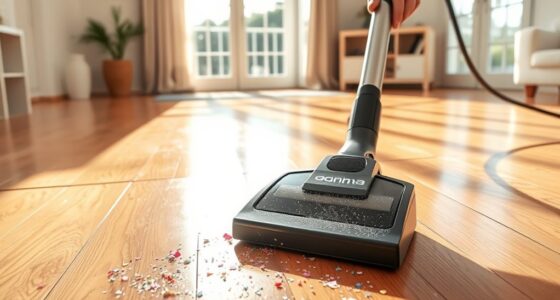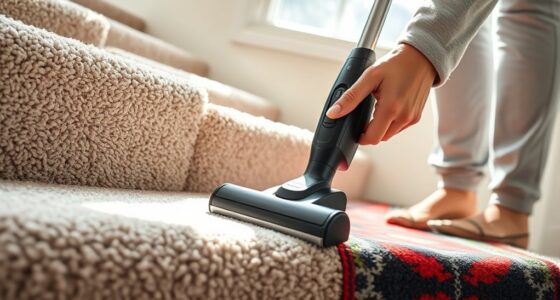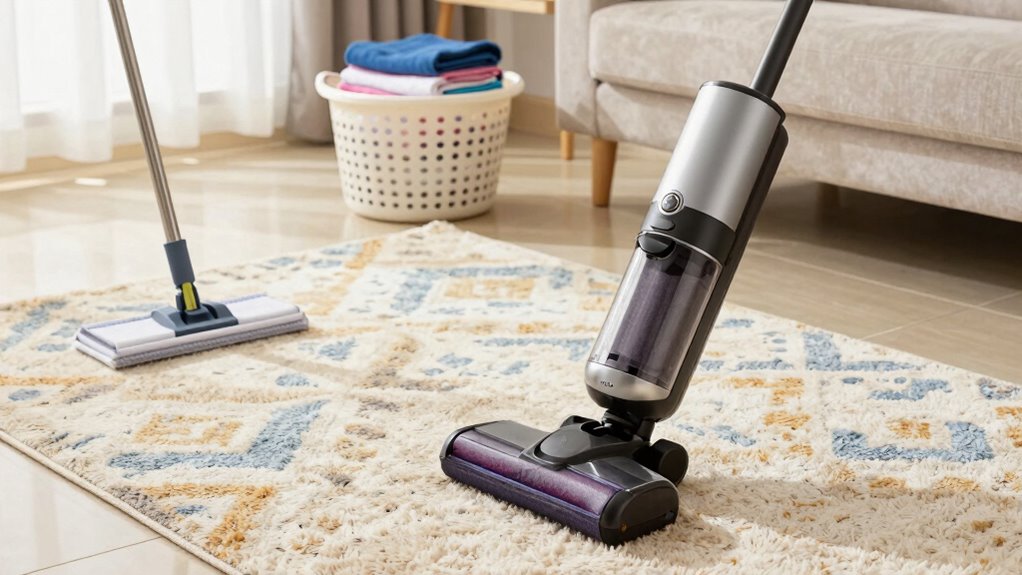

To make vacuuming work better with other cleaning tasks, start by scheduling your robot vacuum for quick daily cleanings on hard floors and low-pile carpets. Follow up with traditional vacuuming for deep cleaning, especially on plush carpets and high-traffic areas. After vacuuming, mop floors or dust furniture to remove lingering debris and dust. Use smart devices to coordinate tasks seamlessly, ensuring your cleaning routine is efficient and thorough. Keep exploring for more tips to optimize your home cleaning!
Listen free for 30 days with Audible
Thousands of audiobooks and originals — cancel anytime.
As an affiliate, we earn on qualifying purchases.
Key Takeaways
- Schedule robot vacuums during times when no one is home to maximize efficiency and reduce disruptions.
- Follow vacuuming with mopping or dusting to remove remaining debris and prevent resettling of dust.
- Develop a cleaning routine that sequences tasks logically, such as vacuuming before dusting or mopping.
- Use smart home devices to remotely control and automate cleaning schedules for seamless task integration.
- Incorporate complementary tools like mops and dusters to enhance overall cleaning effectiveness.
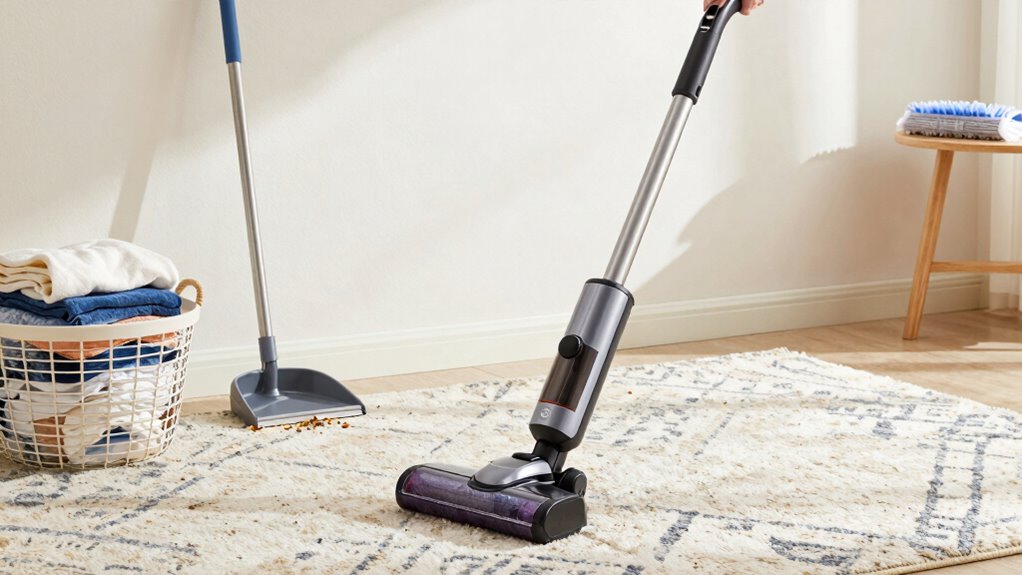
Vacuuming is a key part of maintaining a clean home, but it works best when integrated smoothly with other cleaning tasks. To make your routine more efficient, consider how different methods and tools can complement each other. For example, using a robot vacuum can save you time and effort, especially on daily cleaning. These devices are great for quickly picking up surface dust and debris, but they’re particularly effective on hard floors and low-pile carpets. However, if your home has plush carpets with deep fibers, a robot vacuum alone might not suffice, as carpet fibers tend to trap dirt and allergens deep within. Combining the robot’s quick passes with a traditional vacuum can ensure a more thorough clean.
Use robot vacuums for quick daily cleaning on hard floors and low-pile carpets; combine with traditional vacuum for deep cleaning.
When you run a robot vacuum regularly, you prevent the buildup of dirt that can settle into carpet fibers over time. This not only keeps your carpets looking fresh but also helps extend their lifespan. To maximize efficiency, schedule the robot to clean at times when you’re not around—say, during work hours or while you’re out running errands. After the robot’s done, you can go over high-traffic areas with a traditional vacuum or an upright cleaner to pick up what the robot might have missed, especially in corners and along edges. This layered approach ensures nothing gets left behind.
Incorporating other cleaning tasks into your routine also improves your overall home hygiene. For instance, dusting surfaces, wiping down counters, and cleaning windows prevent dust and dirt from accumulating and settling into the carpet fibers or on floors. When you dust and wipe regularly, your vacuuming becomes more effective because there’s less loose dirt to pick up. Additionally, tackling tasks like washing your bedding and curtains reduces airborne dust, which can settle into carpets and upholstery. Using proper cleaning tools can further enhance the efficiency of these tasks. Incorporating regular maintenance routines can also help in early detection of issues like wear and tear, ensuring your cleaning efforts remain effective over time.
Furthermore, thinking about cleaning schedules helps distribute tasks evenly and prevents overwhelming cleaning sessions, making the entire process more manageable. To further optimize your cleaning routine, consider using smart home devices that can be scheduled or controlled remotely, making it easier to coordinate multiple tasks. You can make your cleaning process even more seamless if you organize your tasks. For example, after vacuuming, you might mop hard floors to remove any remaining debris or spills, then follow up with a quick dusting of furniture and fixtures. This sequence ensures that each task supports the next—dusting and mopping remove residues that could resettle on carpets or floors. Implementing systematic cleaning strategies can help you maintain a consistently tidy home with less effort. By planning your cleaning sessions to incorporate multiple tasks, you reduce the need for repeated efforts and keep your home consistently tidy.
As an affiliate, we earn on qualifying purchases.
Frequently Asked Questions
How Often Should I Vacuum to Maintain Cleanliness?
You should vacuum at least once a week to maintain cleanliness, but more frequent vacuuming, like twice a week, is ideal if you have pets or allergies. Regular vacuum maintenance guarantees your vacuum works efficiently, preventing dust buildup. This routine helps allergy prevention by removing allergens from carpets and upholstery. Consistent vacuuming keeps your home healthier, fresher, and reduces the accumulation of dirt and dust that can trigger allergies.
What Types of Vacuum Cleaners Are Best for Multi-Task Cleaning?
Think of your vacuum cleaner as a versatile tool ready for any cleaning adventure. Robot vacuums are like diligent sentinels, silently patrolling your floors, while handheld cleaners act as nimble explorers, reaching tight spots. Together, they form a dynamic duo perfect for multi-task cleaning. Choose models with adjustable settings and strong suction, making your cleaning routine smoother and more efficient, transforming chores into a seamless dance of cleanliness.
How Do I Prevent Dust Redistribution During Vacuuming?
To prevent dust redistribution during vacuuming, guarantee your vacuum has effective dust containment and vacuum seals. Check that the seals are tight and the dustbin or bag is properly fitted to avoid leaks. Use a vacuum with a HEPA filter to trap fine dust particles. Additionally, vacuum slowly and systematically, overlapping passes to pick up dust thoroughly. These steps help contain dust and prevent it from becoming airborne during cleaning.
Can Vacuuming Damage Delicate Flooring Surfaces?
Vacuuming can cause damage to delicate flooring if you’re not careful. Use a vacuum with adjustable height settings or switch to a soft brush attachment to prevent vacuum damage. Always check your floor type and choose appropriate settings to avoid scratches or gouges. Regularly clean the vacuum’s filters and brushes to guarantee gentle, effective cleaning. By taking these precautions, you protect delicate flooring surfaces while keeping them clean.
Are There Eco-Friendly Vacuuming Options Available?
Yes, eco-friendly vacuuming options are available. You can choose cordless models that use rechargeable batteries, reducing energy consumption. Look for vacuums with biodegradable bags, which break down naturally and lessen environmental impact. These options make your cleaning routine greener without sacrificing performance. By selecting eco-conscious models, you contribute to sustainability efforts while keeping your home clean efficiently.
Conclusion
By integrating vacuuming with other cleaning tasks, you can boost efficiency and keep your home sparkling. Did you know that combining tasks can save up to 30% of your cleaning time? So, next time you vacuum, grab your mops or dusters to tackle multiple chores at once. This smart approach not only makes cleaning less tedious but also guarantees your space stays consistently fresh and inviting. Happy cleaning!
NFL season / tailgating Picks
team gear
As an affiliate, we earn on qualifying purchases.