Vacuuming radiator fins and baseboards is essential for maintaining your home’s heating efficiency and improving air quality. Dust and debris accumulate in these areas, blocking airflow and forcing your heating system to work harder. By using a vacuum with a brush attachment, you can easily remove dirt and allergens, enhancing comfort and lowering energy costs. Regular cleaning keeps your home inviting and healthier. Discover more tips to guarantee your space stays cozy and efficient.
Key Takeaways
- Regularly vacuuming radiator fins and baseboards improves heating efficiency by enhancing airflow and reducing the workload on heating systems.
- Use a vacuum cleaner with a brush attachment to effectively remove dust and debris from narrow spaces between radiator fins and along baseboards.
- Consistent cleaning prevents allergens and airborne particles from circulating indoors, contributing to better indoor air quality and respiratory health.
- Set monthly reminders during colder months to maintain cleanliness, ensuring optimal heating performance and a more inviting home environment.
- Incorporate short cleaning sessions into your home maintenance routine to prevent long-term dust buildup and support a healthier living space.

When you want to keep your home feeling cozy and warm during the colder months, don’t overlook the importance of vacuuming radiator fins and baseboards. These often-neglected areas can considerably affect your home’s heating efficiency. If you want to guarantee that your heating system works at its best, it’s essential to incorporate regular cleaning into your routine. Dust and debris can accumulate in these spaces, blocking airflow and making your heating system work harder than necessary.
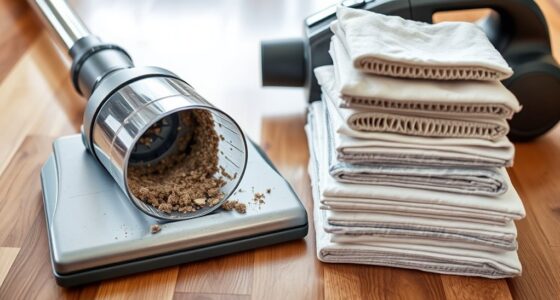
To start, grab your vacuum cleaner with a brush attachment. This tool is perfect for reaching into the narrow spaces between radiator fins, where dust settles over time. When you run the vacuum over the radiator, you’re not just removing dirt; you’re enhancing airflow improvement. Better airflow means your heating system can distribute warmth more evenly throughout your home, reducing the energy needed to keep your space comfortable.
Next, don’t forget about the baseboards. These areas are magnets for dust, pet hair, and other debris. Using dust removal techniques like microfiber cloths or dusters can be effective, but a vacuum is your best bet for a thorough clean. As you pass the vacuum along the baseboards, you’ll notice how much dust collects, which can otherwise circulate throughout your home if left unchecked.
Also, remember that maintaining clean radiator fins and baseboards can prevent allergens from accumulating, which is especially important during winter months when windows are usually closed. When the heat kicks in, any dust left behind can become airborne, affecting your indoor air quality. Regular vacuuming helps keep your home not only cozy but also healthier. Additionally, cleaning these areas can improve airflow efficiency, which optimizes your heating system’s performance.
You might want to set a reminder on your calendar to vacuum these areas at least once a month during the colder season. This simple task doesn’t take long and can make a noticeable difference in how efficiently your heating system operates. Plus, a clean home always feels more inviting.
Frequently Asked Questions
How Often Should I Vacuum My Radiator Fins and Baseboards?
You should vacuum your radiator fins and baseboards at least once a month for maximum cleaning frequency. Regular maintenance helps prevent dust buildup and improves efficiency. Always take safety precautions: ensure the radiator is cool before you start, and unplug it if possible. Use a brush attachment to avoid damage and reach tight spaces. By staying on top of this task, you’ll keep your home cleaner and safer for everyone.
Can Vacuuming Damage My Radiator Fins or Baseboards?
Vacuuming your radiator fins or baseboards shouldn’t damage them if you’re careful. It’s essential to use a soft brush attachment to prevent any radiator fin damage. Be mindful of how much pressure you apply while cleaning, as excessive force could lead to dents or bends. For baseboard cleaning safety, avoid using a vacuum on delicate materials. By following these tips, you can keep your home clean without worrying about damaging your fixtures.
What Vacuum Attachments Are Best for Cleaning Radiator Fins?
For cleaning radiator fins, a radiator brush and a crevice tool are your best bets. Did you know that 80% of indoor dust can come from heating systems? Using a radiator brush helps dislodge dust, while the crevice tool reaches those tight spots. Together, they’ll guarantee your radiator stays efficient and clean. So grab those attachments and make your space healthier by tackling that hidden dust lurking in your radiators!
Should I Turn off the Heating Before Vacuuming?
Yes, you should turn off the heating before vacuuming. It’s a vital step in heating maintenance and guarantees your safety while you clean. By switching off the system, you reduce the risk of burns or accidents from hot surfaces. Plus, it helps maintain a more effective cleaning process without the heat interfering. Always prioritize these safety precautions to make your cleaning routine both efficient and safe.
Are There Any Alternative Methods to Vacuuming Radiator Fins?
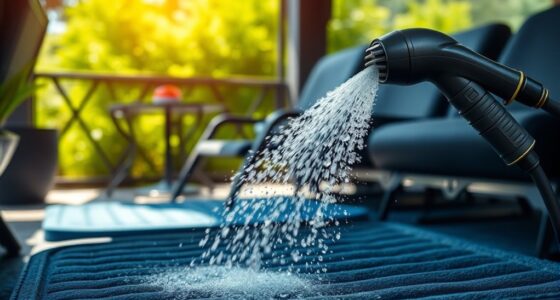
Yes, there are alternatives to vacuuming radiator fins. If you’re worried about dust settling back, try steam cleaning instead. It effectively removes dirt and bacteria without the mess. You can also use a compressor cleaning method, which blasts away debris with high-pressure air, making it quick and efficient. These methods can save you time and guarantee your radiators function at their best, so you won’t have to worry about dust accumulation later.
Conclusion
In summary, keeping your radiator fins and baseboards clean isn’t just about aesthetics; it can improve your heating efficiency by up to 10%. Regular vacuuming helps remove dust and debris that can hinder airflow, ensuring your space stays warm and cozy. Plus, it’s a simple task that only takes a few minutes. So, grab your vacuum and make it a part of your routine—your comfort and energy bills will thank you!