TL;DR

Get cleaning gear delivered free with Prime
- Fast, free delivery on millions of items
- Prime Video, Amazon Music and more included
- Member-only deals all year
House Beautiful published expert advice on reviewing belongings that may have accumulated during five or more years in a home. Organizers recommend sorting by category and considering unused items such as spare cords, worn linens, abandoned equipment and expired products; the advice is not a rule that every item must be discarded.
House Beautiful has published a list of 13 categories of household items that organizing and design experts say residents may want to review after living in a home for five years or more. The advice focuses on belongings that are no longer used, including old cords, worn linens and expired bathroom products, as a practical way to reclaim storage space—not a requirement to discard every item on the list.
The report recommends starting with accumulated tote bags, water bottles and branded merchandise, keeping only the items a household genuinely uses. It also suggests checking for manuals and cords tied to appliances or devices that are no longer owned; organizer Ann Lightfoot says manuals are often available online and advises responsible recycling for unneeded cords.
Other categories include threadbare or mismatched linens, fitness equipment that has gone unused, craft supplies and other “someday” projects, decorative objects that have become visual clutter, and decor that never found a place after a move. The experts also name leftover paint, tile and building materials, kitchen gadgets and duplicate tools, wellness devices, furniture that no longer suits a household’s routines, and expired or unwanted bathroom products.
The article’s headline promises 13 categories, but the supplied report excerpt ends with a heading for “Unopened Boxes” and no accompanying explanation. It is therefore not possible to establish from the excerpt what advice the article gives about those boxes. The source also does not provide a checklist of disposal rules for every material or product.
How a Five-Year Review Can Help
The advice matters because stored belongings can consume closet, cabinet and garage space even when they no longer serve a household’s current needs. Organizers quoted in the report say that routines, interests and family circumstances can change over time, while possessions may remain in storage by default. Reviewing what is actually used can help residents make space for current priorities.
This is guidance from organizing and design professionals, not research showing that five years is a proven threshold for decluttering. The useful takeaway is to make deliberate decisions rather than treating the calendar as a deadline. Some items may still be valuable, useful occasionally, or worth keeping for sentimental reasons. The report’s advice is to assess each category and keep what has a clear purpose.
Disposal also requires care. Lightfoot recommends taking leftover paint and building materials to a local hazardous-waste drop-off, rather than putting them out with ordinary rubbish. Residents should check their municipality’s rules for paint, batteries, electronics, cleaners and other materials, since accepted disposal methods can vary by location.
Products Worth Considering

Dyson V8 Cyclone Cordless Vacuum

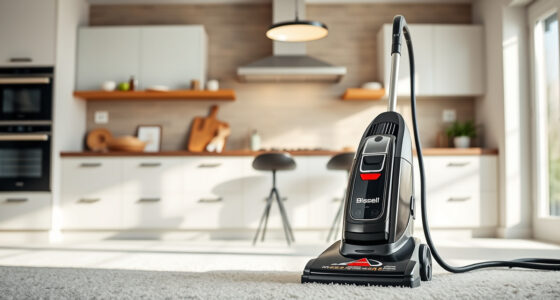
Dyson Ball Animal 3 Upright Vacuum
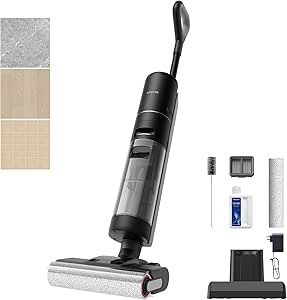
Dreame G10 Pro Wet and Dry Vacuum Mop
As an affiliate, we earn on qualifying purchases.
Why Organizers Suggest Sorting by Category
The report frames the five-year mark as a point when residents may know more about how they use their home than they did on moving day. Ann Lightfoot, cofounder of DDH Home Organizing & Move Management, said: “By year five, the ‘endless storage’ honeymoon is over.” Laura Kinsella, founder of Urban OrgaNYze, said people’s work, family lives, routines and interests can change while accumulated belongings do not change with them.
The experts recommend a measured approach instead of attempting to clear an entire home in one weekend. Kerrie Kelly, a designer and creative director, advises sorting one drawer, cabinet or closet at a time: remove the contents, clean the space and return only what merits a place there. The report presents this as a method for making the task manageable, not as a guarantee that every household will need the same edits.
““Our careers, families, routines, and interests can change dramatically, but the things we’ve accumulated don’t automatically change with us.””
— Laura Kinsella, founder of Urban OrgaNYze
What the Report Does Not Specify
The article offers professional recommendations, not a formal standard for how long household goods should be kept. It does not establish that every item unused for five years should be thrown away, or define how readers should weigh sentimental value, occasional use, repair costs or donation options in each case. The supplied excerpt also does not explain its final “Unopened Boxes” category, despite the headline’s count of 13.
Some disposal advice depends on local rules and the condition of the item. The excerpt specifically points readers toward municipal hazardous-waste collection for leftover paint and building materials, but it does not provide locations or instructions for every product. Readers will need to check local guidance before disposing of potentially hazardous items.
A Practical First Sorting Session
The experts’ suggested next step is to pick a small category or storage area and review its contents. Residents can separate items they use from those they no longer need, then decide whether suitable belongings can be donated, sold or recycled. For potentially hazardous leftovers, such as paint, the report recommends checking for a local hazardous-waste drop-off.
There is no deadline or follow-up event identified in the source. A household can repeat the process in other rooms over time, while keeping items that remain useful or meaningful. Any broader claims about savings, home value or health benefits are not established by the report.
Key Questions
Does the five-year mark mean I have to throw these items away?
No. The report describes categories to review, not a requirement to discard everything. Keep items you use, need or value, and consider letting go of belongings that no longer serve your household.
Which items does the report suggest reviewing?
Examples include spare tote bags and branded items, cords and manuals for things no longer owned, worn linens, unused fitness gear, abandoned projects, unwanted decor, leftover building materials, kitchen gadgets, wellness devices, furniture and expired bathroom products.
How does the report recommend getting started?
Kerrie Kelly advises working by category and in a small area, such as one drawer, cabinet or closet, rather than trying to declutter the whole home at once.
Can leftover paint go in regular household rubbish?
The report says leftover paint and building materials should go to a local hazardous-waste drop-off. Disposal rules vary, so check your municipality’s instructions before discarding them.
Source: housebeautiful.com