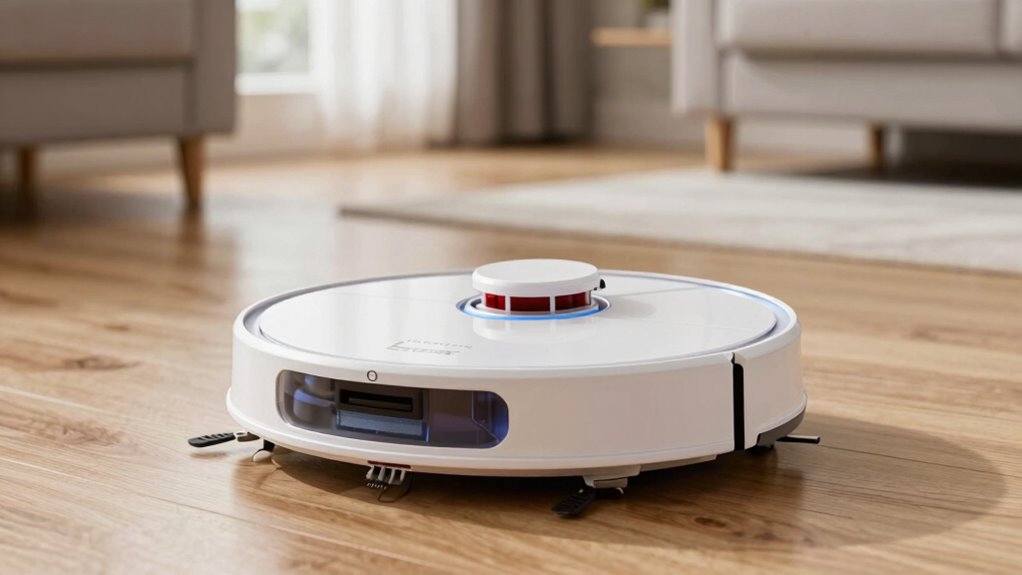
HEPA filtration in robot vacuums captures tiny airborne particles, like dust, pollen, pet dander, and allergens, making your indoor air cleaner. It traps particles as small as 0.3 microns, which improves allergy and asthma symptoms, and enhances your overall air quality. Proper maintenance keeps the filter effective, ensuring allergens stay contained. If you want to learn more about how HEPA filters can benefit your home environment, just keep exploring the details below.
Key Takeaways
- HEPA filters in robot vacuums trap particles as small as 0.3 microns, including allergens like pollen and pet dander.
- They significantly improve indoor air quality by preventing tiny irritants from being released into the air during cleaning.
- Proper maintenance, such as regular filter replacement or cleaning, is essential to maintain filtration efficiency.
- HEPA filtration is especially beneficial for allergy and asthma sufferers, supporting healthier breathing environments.
- Choosing a vacuum with a sealed HEPA system maximizes allergen containment and overall air purification benefits.

HEPA filtration has become an essential feature in robot vacuums, especially for those who suffer from allergies or asthma. You might not realize it, but the air quality in your home can be considerably impacted by the dust, pollen, pet dander, and other allergens that settle on floors and surfaces. When you run a vacuum without a high-quality filter, these tiny particles can be stirred up into the air, reducing indoor air quality and aggravating allergy symptoms. That’s where HEPA filters come in. They’re designed to trap microscopic particles, ensuring that what gets released back into your environment is as clean as possible. By removing allergens from the air, HEPA filtration helps create a healthier living space and reduces the burden on your respiratory system.
With a robot vacuum equipped with HEPA filtration, you gain more control over allergen removal. Unlike standard filters that may only catch larger debris, HEPA filters are built to trap particles as small as 0.3 microns—tiny enough to include most common airborne allergens. This means that allergens like pet dander, mold spores, and even some bacteria are effectively captured during regular cleaning sessions. When your robot vacuum runs, it doesn’t just pick up visible debris; it also filters out microscopic irritants that can trigger allergy attacks or asthma flare-ups. Over time, this leads to a noticeable improvement in your home’s air quality, making it easier for you to breathe and sleep comfortably. Additionally, the sealing system in many HEPA-equipped robot vacuums ensures that most airborne particles are contained within the filter, further enhancing allergen removal. Proper maintenance of the filter system is essential to sustain its effectiveness over time, especially in homes with high levels of dust or pet dander. Regularly replacing or cleaning the filter can maintain the filtration efficiency, ensuring optimal performance and cleaner indoor air. Understanding the filtration technology can also help you recognize the importance of choosing a model with the right specifications for your needs, as different filtration systems may provide varying levels of allergen control.
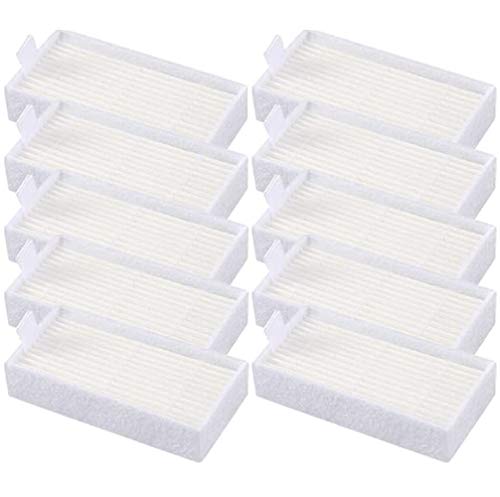
10pcs HEPA Filters Replacement for ILIFE V3s V3s pro V5 V5s V5s Pro V5s Pro 2 V5s Plus Noisz S5 Robotic Vacuum Cleaner ILIFE V3s pro Filters ILIFE Robot Vacuum Filter
Hepa filters for Ilife Vacuum model V3, V3s V3s pro V5 V5s V5s Pro Vacuum Cleaning Robot. Ilife…
As an affiliate, we earn on qualifying purchases.
As an affiliate, we earn on qualifying purchases.
Frequently Asked Questions
Can HEPA Filters Be Cleaned and Reused?
Yes, HEPA filters can often be cleaned and reused, but it depends on the specific vacuum model. You should follow the manufacturer’s instructions for filter maintenance to avoid damage. Regular cleaning helps maintain ideal air quality and ensures your robot vacuum performs efficiently. Usually, gentle tapping or rinsing with water (if allowed) works; just make sure the filter is completely dry before reinstalling to prevent mold or damage.
How Often Should HEPA Filters Be Replaced?
You should replace your HEPA filter every 6 to 12 months, depending on usage and the filter’s lifespan. Imagine tiny particles building up over time, gradually clogging the filter’s ability to trap allergens. If you ignore replacement, your vacuum’s efficiency drops, releasing dust back into the air. Keep a close eye on the filter’s condition, and don’t wait too long—timely replacements guarantee maximum allergy protection and cleaner air.
Are HEPA Filters Effective Against Pet Dander?
Yes, HEPA filters are effective against pet dander, pet hair, and other tiny allergens. When you use a robot vacuum with a HEPA filter, it traps these allergens efficiently, reducing the risk of allergic reactions. This helps improve indoor air quality, especially if you or family members are sensitive to pet dander. Regularly replacing the HEPA filter guarantees continued effectiveness in capturing pet hair and allergens.
Do HEPA Filters Impact Vacuum Noise Levels?
Think of HEPA filters like a quiet guardian, silently working behind the scenes. They can modestly increase vacuum noise levels due to the additional airflow resistance, but modern models often feature noise reduction technology. Regular filter maintenance guarantees peak performance and keeps noise levels down. Overall, while HEPA filters may add a whisper or two, they primarily improve air quality without substantially disrupting your cleaning routine.
Are HEPA Filters Necessary for All Robot Vacuums?
You don’t need HEPA filters in all robot vacuums, but they’re essential if you have allergies or asthma. HEPA filter types vary, and you should check vacuum compatibility before choosing one. If you want superior air quality and allergen capture, opt for a model with a high-quality HEPA filter. Otherwise, standard filters might suffice for casual cleaning, but they won’t provide the same level of filtration.
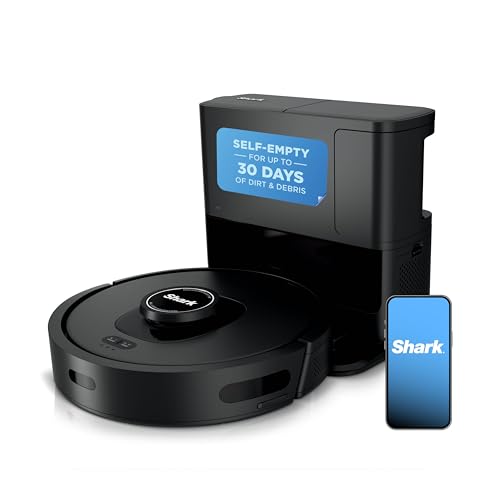
Shark AV2501S AI Ultra Robot Vacuum, with Matrix Clean, Home Mapping, 30-Day Capacity HEPA Bagless Self Empty Base, Perfect for Pet Hair, Wifi, Dark Grey
INCREDIBLE SUCTION: Powerful Shark suction picks up dirt and debris on all floor types—tackling even the toughest of…
As an affiliate, we earn on qualifying purchases.
As an affiliate, we earn on qualifying purchases.
Conclusion
By choosing a robot vacuum with HEPA filtration, you protect your air, improve your home’s cleanliness, and breathe easier every day. HEPA filters trap tiny particles, prevent allergens from spreading, and guarantee your space stays fresh. With HEPA filtration, you clean smarter, breathe better, and live healthier. So, when selecting your robot vacuum, prioritize HEPA filters to enjoy a cleaner, safer, and more comfortable home environment.
10pcs HEPA Filters Replacement for ILIFE V3s V3s pro V5 V5s V5s Pro V5s Pro 2 V5s Plus Noisz S5 Robotic Vacuum Cleaner ILIFE V3s pro Filters ILIFE Robot Vacuum Filter
Hepa filters for Ilife Vacuum model V3, V3s V3s pro V5 V5s V5s Pro Vacuum Cleaning Robot. Ilife…
As an affiliate, we earn on qualifying purchases.
As an affiliate, we earn on qualifying purchases.
Shark AV2501S AI Ultra Robot Vacuum, with Matrix Clean, Home Mapping, 30-Day Capacity HEPA Bagless Self Empty Base, Perfect for Pet Hair, Wifi, Dark Grey
INCREDIBLE SUCTION: Powerful Shark suction picks up dirt and debris on all floor types—tackling even the toughest of…
As an affiliate, we earn on qualifying purchases.
As an affiliate, we earn on qualifying purchases.