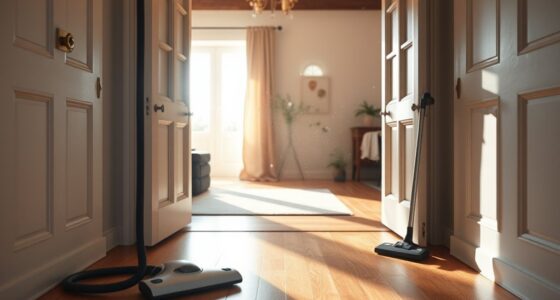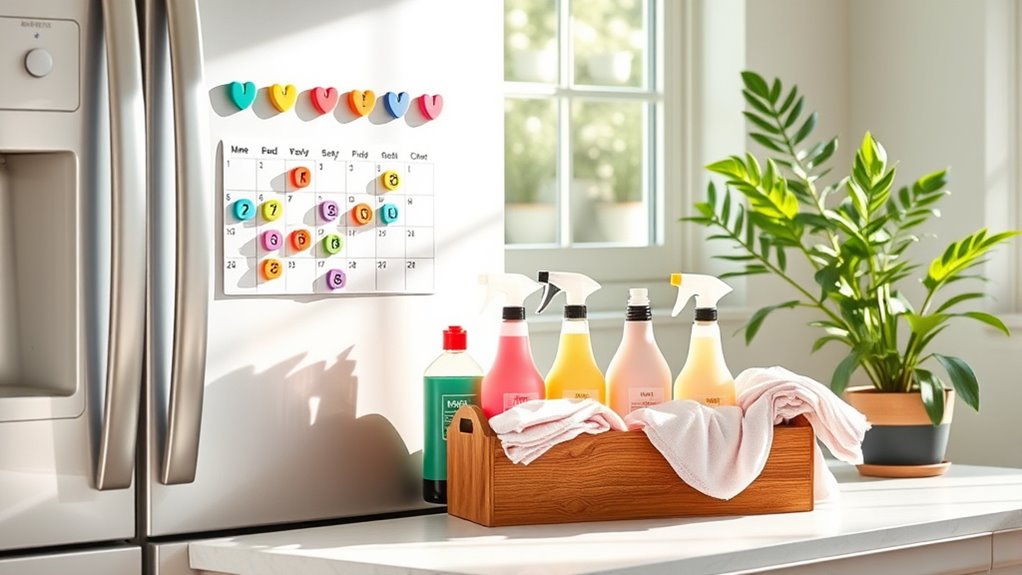

To create an allergy-friendly cleaning schedule, start by dedicating a few minutes daily for dusting and vacuuming high-traffic areas with a HEPA filter vacuum. Schedule weekly washes for bedding and curtains in hot water, while setting aside monthly decluttering sessions to minimize allergen hiding spots. Keep outdoor maintenance in mind, too, by tidying your yard and monitoring pollen levels. For more tips on managing allergens effectively, there’s plenty more you can discover.
Key Takeaways
- Establish a daily routine that includes dusting surfaces and vacuuming high-traffic areas to reduce allergens consistently.
- Schedule weekly deep cleaning sessions, washing bedding and curtains in hot water to eliminate dust mites and allergens.
- Use natural cleaning products like vinegar and baking soda to avoid harsh chemicals that could trigger allergies.
- Plan yard work on specific days to control outdoor allergens and limit open windows during high pollen seasons.
- Monitor indoor air quality and adjust cleaning frequency based on seasonal allergen levels for optimal effectiveness.

When you’re managing allergies, creating an allergy-friendly cleaning schedule is essential for maintaining a safe and comfortable home. You want to minimize allergens like dust, mold, and pet dander, so having a plan in place helps you stay organized and on track. Start by designating specific days for different cleaning tasks, ensuring you’re not overwhelmed. Mixing regular chores with deep cleaning tasks can help you keep your space fresh without pushing yourself too hard.
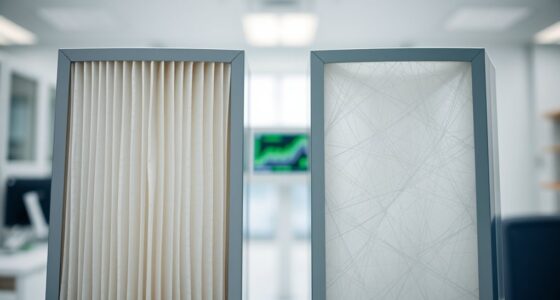
First, prioritize your daily cleaning routines. Spend a few minutes each day dusting surfaces and vacuuming high-traffic areas. Use a vacuum with a HEPA filter; it captures allergens more effectively. Make sure you’re also taking care of your air purifier maintenance. Regularly replace filters according to the manufacturer’s recommendations. A well-maintained air purifier can markedly reduce airborne allergens, making it easier for you to breathe comfortably.
Prioritize daily dusting and vacuuming with a HEPA filter, and maintain your air purifier for a healthier home.
When it comes to cleaning products, opt for natural cleaning agents. Many conventional cleaners contain harsh chemicals that can trigger allergic reactions. Instead, try using vinegar, baking soda, or essential oils. These natural alternatives are effective and safer for your indoor air quality. You’ll find that a mixture of vinegar and water can clean your windows and surfaces just as well as store-bought cleaners. Plus, you can use baking soda to deodorize carpets and upholstery.
Designate specific days for more intensive cleaning tasks that might stir up dust. For instance, you might want to clean your bedding and curtains weekly. Wash them in hot water to kill dust mites and allergens. Try to do this on a day when you can run your air purifier to clear the air afterwards. Additionally, consider setting aside a month for a thorough decluttering session. The less clutter you have, the fewer places allergens can hide.
Don’t forget about your outdoor space, too. If you have a garden, consider appointing a day for yard work. Allergens can enter your home through open windows and doors, so keeping your yard tidy can help reduce pollen and mold spores that make their way indoors. Incorporating regular market analysis of your cleaning products and methods can help you adapt your schedule to better suit your allergy management needs.

Shark Upright Vacuum, Navigator Lift-Away Deluxe with Large Dust Cup Capacity, HEPA Filter, Swivel Steering, Upholstery Tool & Crevice Tool, Blue, NV360
POWERFUL SUCTION: Deep-clean carpets and tackle bare floors with multi-surface powerful suction.
As an affiliate, we earn on qualifying purchases.
As an affiliate, we earn on qualifying purchases.
Frequently Asked Questions
What Are the Best Hypoallergenic Cleaning Products Available?
When you’re looking for the best hypoallergenic cleaning products, consider those with hypoallergenic formulations and eco-friendly ingredients. Brands like Seventh Generation and Method offer great options that minimize allergens and irritants. You can also try Mrs. Meyer’s Clean Day, which uses plant-based components. Always check for labels that indicate free of common allergens like fragrances and dyes. By choosing these products, you’ll keep your home clean without compromising your health.
How Often Should I Wash My Bedding for Allergy Relief?
You should wash your bedding at least once a week for allergy relief. This routine helps reduce dust mites and allergens that accumulate over time. Regular mattress maintenance is also vital; consider vacuuming your mattress monthly and using allergen-proof covers. By keeping your bedding clean and maintaining your mattress, you’ll considerably lower exposure to allergens, making your sleeping environment healthier and more comfortable. Don’t forget to wash pillows and blankets, too!
Can I Use Essential Oils for Allergy-Friendly Cleaning?
Absolutely, you can use essential oils for allergy-friendly cleaning! Imagine transforming your home into a fragrant sanctuary while banishing dust and allergens! With DIY cleaning solutions infused with essential oils like tea tree or lavender, you’ll create a powerful defense against irritants. If you’re cautious, explore essential oil alternatives like vinegar or baking soda—they’re just as effective. So, grab your spray bottles and get ready to breathe easier and enjoy a cleaner space!
What Is the Impact of Pets on Allergy-Friendly Cleaning?
Pets can considerably impact your allergy-friendly cleaning efforts. Their dander can trigger allergic reactions, especially when combined with outdoor allergens. To manage this, you should vacuum regularly and use HEPA filters to reduce dander accumulation. Bathing your pets often can also help minimize allergens in your home. While pets bring joy, maintaining a clean environment is essential for your health, so stay proactive in your cleaning routine to keep allergens at bay.
Are There Specific Allergens to Target in My Cleaning Routine?
Think of your home as a battleground against allergens! In your cleaning routine, target dust mites and mold spores, as they’re often the culprits behind allergy flare-ups. Regularly vacuum carpets and upholstery with a HEPA filter to trap those pesky dust mites. Don’t forget to clean damp areas like bathrooms and kitchens to prevent mold growth. By being proactive, you can create a healthier space for yourself and your loved ones.

Air Purifiers for Home Large Room up to 2200sq.ft, MOOKA Air purifier for Home Pets with Washable Filter, PM 2.5 Display Air Quality Sensor Air Cleaner for Bedroom, Dorm room, Pets, Office PR1 (White)
MORE AIR INTAKE & HIGH-EFFICIENCY: This is the 2024 latest MOOKA PR1 HEPA air purifiers for home. To…
As an affiliate, we earn on qualifying purchases.
As an affiliate, we earn on qualifying purchases.
Conclusion
By embracing an allergy-friendly cleaning schedule, you’re not just tidying up your space; you’re transforming your environment into a sanctuary. While dust and allergens may lurk in the corners, your proactive approach keeps them at bay, revealing a healthier home. The contrast between chaos and calm becomes strikingly clear as you commit to regular cleaning. With each chore, you’re not just removing dirt; you’re inviting fresh air and peace of mind into your life.

MRS. MEYER'S CLEAN DAY Baking Soda Cream Cleaner, Cuts Grease, Scratch-Free Polish, Lemon Verbena, 16 Fl Oz, Pack of 1
Mrs. Meyer’s Baking Soda Cream Cleaner removes soap scum and grease build-up to make your kitchen sparkle
As an affiliate, we earn on qualifying purchases.
As an affiliate, we earn on qualifying purchases.
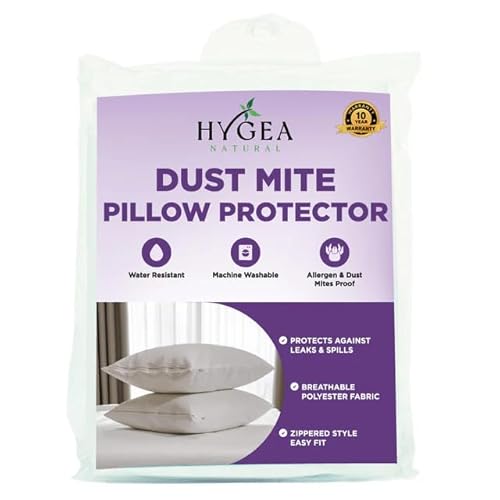
Hygea Dust Mite & Allergen Pillow Protectors, Queen Size, Set of 2 – Pillow Encasements – Zippered Covers – Hypoallergenic, Waterproof, Soft & Breathable, Premium Quality
COMPLETE PROTECTION SET: Includes 2 premium Hygea pillow protectors per pack, available in King, Queen, or Standard sizes….
As an affiliate, we earn on qualifying purchases.
As an affiliate, we earn on qualifying purchases.