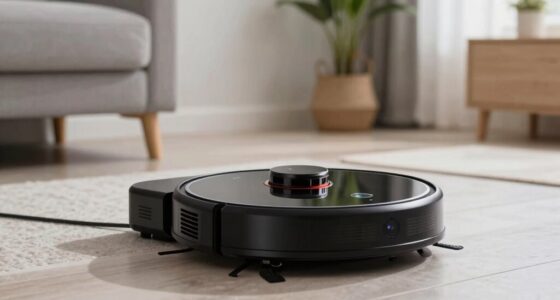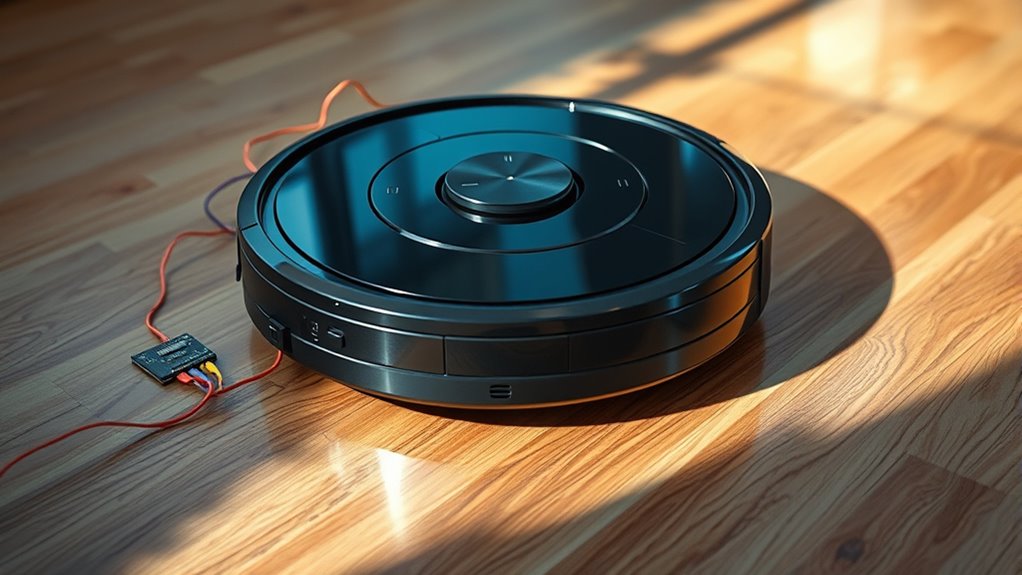

Open-source software for robot vacuums lets you customize and enhance your cleaning experience like never before. It enables you to modify schedules, tweak mapping algorithms, and adapt features to fit your lifestyle. With community-driven innovation, you’ll benefit from continuous updates and improvements, leading to a more effective cleaning solution. This flexibility guarantees your vacuum can tackle any home layout efficiently. Discover how open-source can transform your robot vacuum experience further.

Get cleaning gear delivered free with Prime
- Fast, free delivery on millions of items
- Prime Video, Amazon Music and more included
- Member-only deals all year
Key Takeaways
- Open-source software enables community-driven innovation, allowing users to contribute to the development of robot vacuum features and improvements.
- Users can customize their robot vacuums for unique cleaning preferences, such as adjusting schedules and focusing on high-traffic areas.
- Enhanced mapping capabilities in open-source vacuums optimize cleaning routes and ensure thorough coverage of homes while avoiding obstacles.
- Community engagement fosters collaboration, enabling users to share modifications and adopt new algorithms quickly.
- Overall, open-source software leads to more efficient cleaning performance that adapts to individual user needs and preferences.
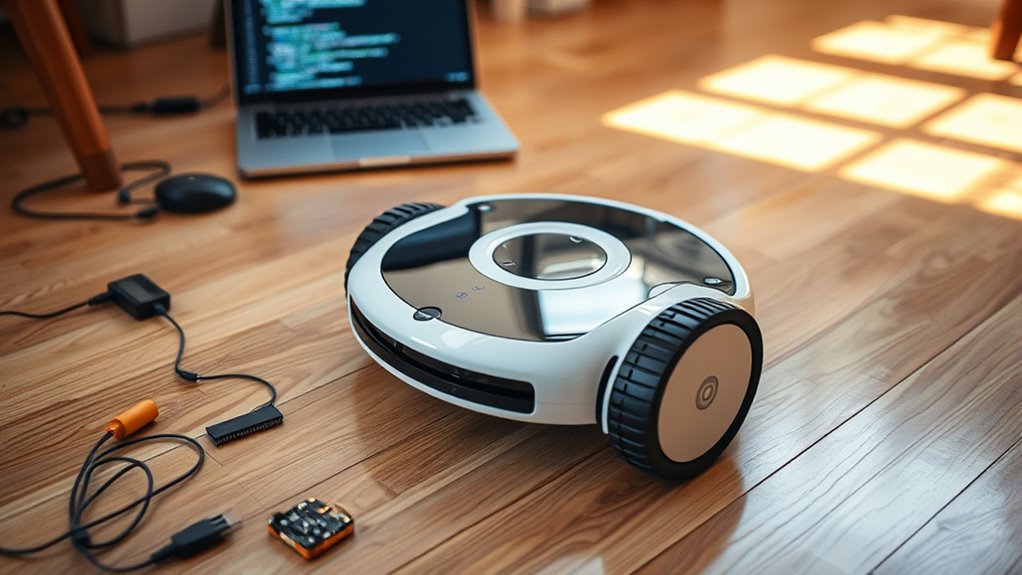
As you explore the world of robot vacuums, you’ll find that open-source software is revolutionizing how these devices operate. Unlike traditional models that come with limited features and functionalities, open-source solutions allow you to tap into a community of developers and enthusiasts to enhance your vacuum’s capabilities. This shift not only makes these devices more adaptable but also fosters innovation in cleaning technology.
One of the standout features of open-source robot vacuums is their advanced mapping algorithms. These algorithms enable your vacuum to create detailed maps of your home, optimizing its cleaning routes and ensuring it covers every corner of your space. By utilizing real-time data and sophisticated algorithms, your robot can learn the layout of your home, avoiding obstacles and efficiently steering around furniture. This intelligent mapping means you won’t have to worry about missed spots or repetitive cleaning, making your life a lot easier.
What’s even more exciting is the level of user customization that open-source software offers. You’re no longer confined to a one-size-fits-all approach. Instead, you can modify your robot vacuum to suit your specific needs. Want it to clean at a certain time, or focus on high-traffic areas? You can easily program these preferences into the software. With access to the underlying code, you can even tweak the mapping algorithms or add new features that others in the community have developed. This flexibility empowers you to mold the vacuum into a device that fits seamlessly into your lifestyle.
The community-driven aspect of open-source software also means that you’re part of a larger conversation. You can share your modifications, learn from others, and even contribute back to the project. As new mapping algorithms and features are developed, you can quickly adopt these updates, keeping your vacuum at the forefront of technology. Additionally, the adaptability of open-source solutions can lead to enhanced performance in various cleaning scenarios, allowing for a more effective home cleaning experience.
Products Worth Considering

Roborock Qrevo S Pro Robot Vacuum and Mop with 18,500 Pa Suction

Dyson V9 Motorbar Cordless Vacuum

Shark Pet Cordless Stick Vacuum, Up to 40-Minute Runtime, Lightweight, IX141
As an affiliate, we earn on qualifying purchases.
Frequently Asked Questions
What Are the Benefits of Using Open-Source Software for Robot Vacuums?
Using open-source software for robot vacuums offers significant benefits. You get firmware flexibility, allowing you to customize features and optimize performance based on your needs. This adaptability means your vacuum can evolve with technology, ensuring longevity. Plus, you’ll enjoy cost savings, as open-source solutions often eliminate expensive licensing fees. By leveraging community support, you can access updates and improvements without the added financial burden, making it a smart choice for savvy users.
How Can I Contribute to Open-Source Robot Vacuum Projects?
You can contribute to open-source robot vacuum projects by diving into hardware hacking and collaborating with the community. Start by exploring existing projects on platforms like GitHub, where you can help improve code or documentation. If you encounter issues, don’t hesitate to engage in bug reporting; your insights can substantially enhance the software. Join forums or discussions to share ideas, and consider developing new features that might benefit other users.
Are There Any Risks Associated With Using Open-Source Software in My Vacuum?
Using open-source software in your vacuum can expose you to risks like security vulnerabilities and software compatibility issues. Imagine downloading a recipe online; if the chef forgot an ingredient, your dish could flop. Similarly, if the code’s not well maintained, hackers might exploit vulnerabilities, or your vacuum might not work with your home’s system. Always check reviews and community support before diving in to guarantee a smoother cleaning experience.
Can I Customize the Software for My Specific Robot Vacuum Model?
Yes, you can customize the software for your specific robot vacuum model. By engaging in firmware modification, you can tweak settings and features to better suit your needs. This allows you to create custom automation routines that enhance your vacuum’s performance. Just make sure to check compatibility with your model and follow guidelines to avoid any issues. With some effort, you’ll have a tailored cleaning experience that fits your lifestyle perfectly.
Where Can I Find Community Support for Open-Source Robot Vacuum Software?
You’ll find a treasure trove of community support for open-source robot vacuum software! Check out online forums like Reddit and Stack Overflow, where enthusiasts share tips and tricks. Joining dedicated developer communities on GitHub can also be incredibly helpful, as you’ll connect with experts who are passionate about customizing their devices. Don’t hesitate to ask questions; the community is usually more than willing to lend a hand and share their knowledge.
Conclusion
In the world of robot vacuums, embracing open-source software is like hitting the jackpot. You not only gain access to customizable features but also join a vibrant community of innovators. By taking the plunge, you can enhance your vacuum’s capabilities, making it truly your own. So, don’t hesitate—dive into the open-source domain and watch your cleaning experience transform into something extraordinary. With a little effort, you can make your vacuum work smarter, not harder!