
Motorized turbo tools typically clean deeper than air-driven ones because their powered brush rolls and stronger suction offer more consistent, forceful cleaning. They effectively handle stubborn dirt and heavily soiled carpets, making them ideal for intensive deep cleaning. Air-driven tools are lighter and less expensive but may not deliver the same level of deep carpet penetration. To discover more about which option suits your needs best, keep exploring how each type performs in different cleaning scenarios.
Key Takeaways
- Motorized turbo tools deliver consistent, powerful brush rotation, resulting in deeper carpet cleaning compared to air-driven tools.
- They generally provide stronger suction power, enhancing dirt removal from deep within carpets.
- Motorized tools are more effective on heavily soiled carpets due to their reliable, motor-driven brush action.
- Air-driven tools rely on vacuum airflow, which may reduce cleaning depth, especially on thick or heavily stained carpets.
- Overall, motorized turbo tools tend to clean deeper and more thoroughly than air-driven equivalents.

When choosing between motorized and air-driven turbo tools, understanding their differences can help you make an informed decision. Both tools are designed to boost your vacuum’s cleaning efficiency, but they operate differently and have distinct advantages and drawbacks. Your choice largely depends on what you prioritize: suction power, ease of maintenance, or compatibility with your vacuum system.
Understanding the differences between motorized and air-driven turbo tools helps you choose the best for your cleaning needs.
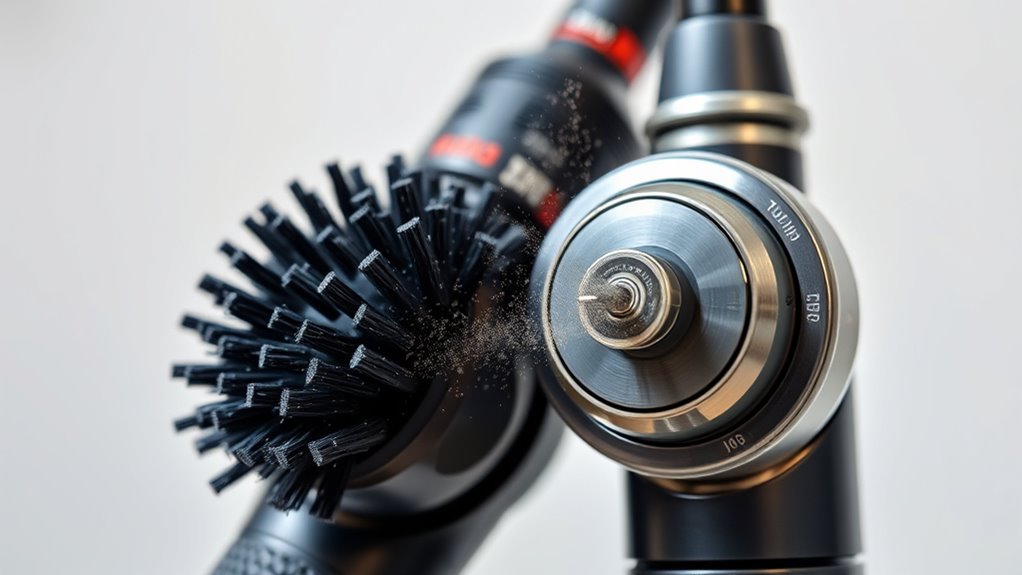
Motorized turbo tools feature a small motor that powers the brush roll directly. This motor provides consistent, powerful rotation, which translates into better agitation of carpet fibers. Because of this, motorized tools often deliver superior suction power, making them more effective for deep cleaning carpets and stubborn dirt. However, this added power comes with increased maintenance costs. The motor has moving parts that can wear out over time, requiring repairs or replacement. You might also need to replace belts or brushes periodically, adding to ongoing expenses. Despite these costs, the consistent performance of motorized tools makes them a favorite for intensive cleaning sessions.
In contrast, air-driven turbo tools rely on the airflow from your vacuum to spin the brush roll. They don’t contain motors, which means fewer mechanical parts that can break down. This design makes air-driven tools lighter and generally less expensive upfront. Since they don’t have a motor, maintenance costs tend to be lower—you’re less likely to face costly repairs or replacements. However, their suction power might be slightly lower compared to motorized options, especially when dealing with thick carpets or heavily soiled areas. Their effectiveness depends on the vacuum’s airflow, so if your vacuum isn’t powerful enough, the brush roll may not spin as vigorously, reducing cleaning performance. Additionally, the presence of a collagen or hyaluronic acid in some eye patches can help reduce skin irritation caused by certain components in these tools.
Choosing between these two types involves balancing your cleaning needs and budget. If you regularly clean heavily soiled carpets or require deep cleaning, a motorized turbo tool might be worth the investment despite potentially higher maintenance costs. On the other hand, if you prefer a lightweight, budget-friendly option for occasional use, an air-driven turbo tool can be sufficient and easier to maintain over time. Ultimately, understanding how each tool operates and considering your specific cleaning scenarios can guide you to the right choice, ensuring you get the best cleaning results without unnecessary expenses.

BISSELL TurboClean PET, Upright Carpet & Upholstery Cleaner, 3948
- Supports Pet Foundation: Every purchase helps save pets
- Powerful Pet Mess Cleaning: Best cleaning system for pet messes
- Versatile Cleaning Tools: Includes 7 ft hose and multiple tools
As an affiliate, we earn on qualifying purchases.
As an affiliate, we earn on qualifying purchases.
Frequently Asked Questions
Which Tool Is More Cost-Effective Long-Term?
When considering long-term cost-effectiveness, you should look at the cost comparison and durability factors of each tool. Motorized tools often have higher upfront costs but tend to be more durable and require less maintenance, saving you money over time. Air-driven tools may be cheaper initially but could need more frequent repairs or replacements, which could add up. Choose the one that fits your budget and durability needs best for long-term savings.
Are Motorized Tools Easier for Beginners?
You’ll find motorized tools easier for beginners because they generally have a manageable tool weight, making them easier to handle during cleaning. Plus, their noise levels tend to be more tolerable, so you won’t feel overwhelmed. This combination helps you focus on the task without struggling with heavy equipment or loud noises. Overall, motorized tools offer a more user-friendly experience for those just starting out.
Do Air-Driven Tools Require Special Maintenance?
Air-driven tools do require some special maintenance, especially regarding air compressor compatibility. You need to regularly check and clean the air supply to prevent moisture buildup and guarantee peak performance. Maintenance frequency depends on usage, but generally, you should inspect and replace filters or lubricate parts as needed. Proper maintenance keeps your air-driven turbo tools running smoothly and extends their lifespan, making them reliable for deep cleaning tasks.
Can Either Tool Handle Heavy-Duty Cleaning Tasks?
While both tools showcase impressive abrasive power, they excel differently in heavy-duty cleaning tasks. The motorized turbo tends to offer more consistent performance with greater durability, making it suitable for demanding jobs. In contrast, the air-driven option boasts superior portability, allowing you to maneuver easily in tight spaces. Your choice depends on balancing the need for robust cleaning strength against the convenience of portability, ensuring you select the best tool for your specific tasks.
Which Tool Is Safer to Operate?
You want to know which tool is safer to operate. Both require proper safety precautions and operator training to prevent accidents. Motorized tools might have moving parts that pose additional risks, so you should follow manufacturer instructions carefully. Air-driven tools are generally simpler, but you still need to wear protective gear and understand their operation. Prioritize thorough training and safety measures to guarantee safe, effective cleaning with either tool.
Conclusion
Choosing between motorized and air-driven turbo tools depends on your cleaning needs. For instance, if you’re tackling stubborn dirt in a commercial setting, a motorized tool might be your best bet for deeper cleaning. Imagine a car detailer switching to a motorized turbo brush and noticing a significant reduction in grime buildup compared to a standard air-driven tool. Ultimately, selecting the right tool guarantees you get the thorough clean you’re aiming for.