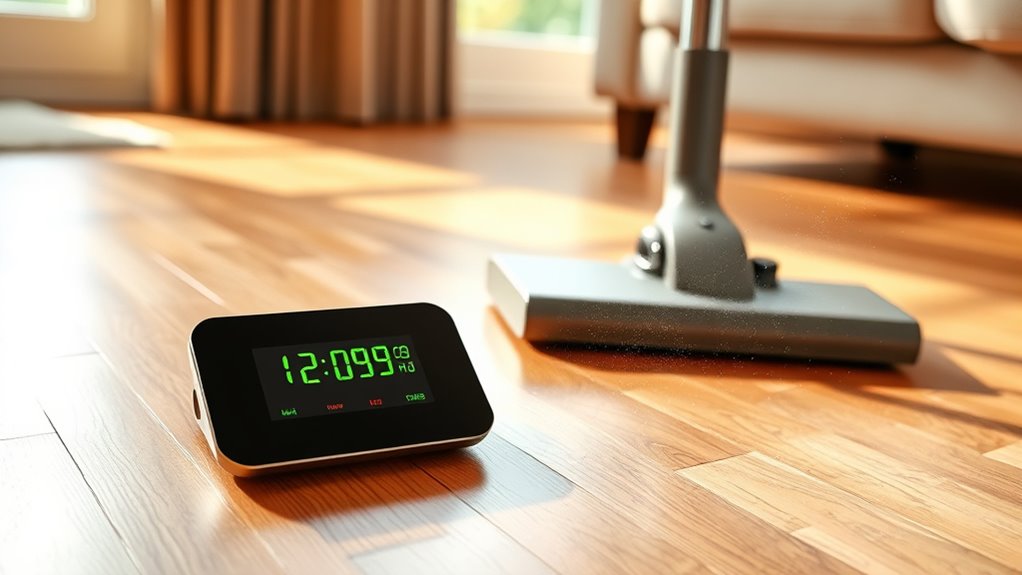
Using air quality monitors alongside regular vacuuming is a powerful way to reduce indoor allergens and improve allergy symptoms. Monitors help you track pollutant levels, showing when it’s time to clean or run the air purifier. Vacuuming with a HEPA filter removes surface dust, pet dander, and other irritants. Combining these strategies keeps your home’s air cleaner and healthier, allowing you to better manage allergies. Keep exploring to discover how these tools work together for best relief.
Key Takeaways
- Indoor air quality monitors identify pollution spikes, prompting timely vacuuming to remove allergens effectively.
- Combining real-time monitoring with vacuuming reduces airborne dust and pet dander, alleviating allergy symptoms.
- Air quality data guides optimal use of air purifiers and cleaning routines for maximum allergy relief.
- Regular vacuuming with HEPA filters minimizes allergen buildup, supporting healthier indoor air.
- An integrated approach of monitoring and cleaning helps maintain consistently low allergen levels indoors.
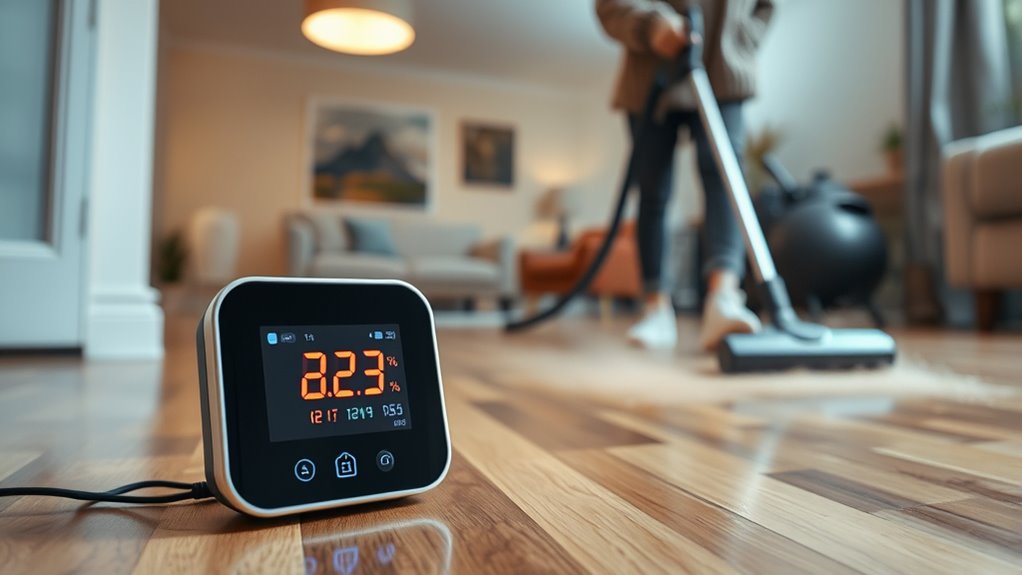
Maintaining good indoor air quality is fundamental for your health, and using air quality monitors alongside regular vacuuming can make a significant difference. When your goal is allergy relief, understanding the benefits of air purifiers and how they complement your cleaning routine is essential. Air purifier benefits go beyond just freshening the air; they actively reduce airborne allergens, dust, pet dander, and other irritants that trigger allergy symptoms. By monitoring indoor air quality with an air quality monitor, you gain real-time insights into pollutant levels, allowing you to take immediate action when necessary. This awareness helps you adjust your environment, whether that means increasing ventilation or turning on an air purifier to improve air cleanliness.
Good indoor air quality, combined with air monitors and vacuuming, significantly reduces allergens and improves allergy relief.
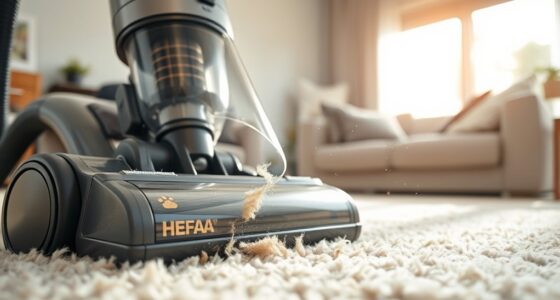
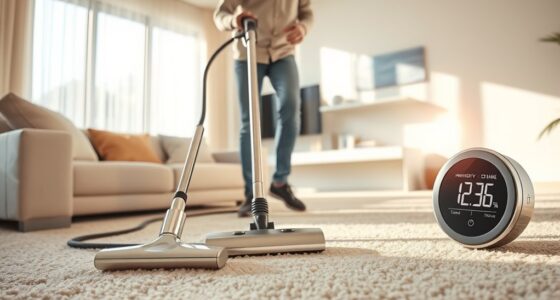
Vacuuming is a critical part of maintaining a healthy indoor space, especially when you’re dealing with allergies. Regular vacuuming removes surface dust, pet fur, and other allergenic particles that settle on floors and upholstery. However, vacuuming alone isn’t enough to tackle airborne allergens effectively. When combined with an air quality monitor, you can better identify times when indoor air quality dips, prompting you to vacuum more frequently or enhance ventilation. Additionally, modern vacuums equipped with HEPA filters trap tiny allergen particles, preventing them from being recirculated into the air. This synergy between vacuuming and air monitoring creates an environment where allergens are kept at bay, reducing your exposure and alleviating allergy symptoms.
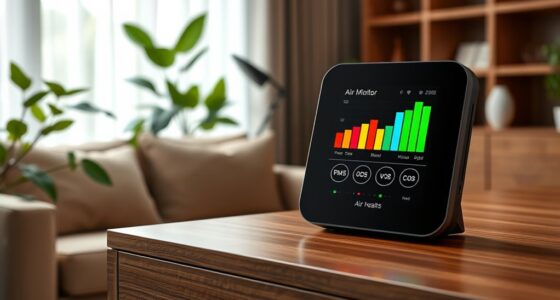
Using an air quality monitor allows you to see how your cleaning efforts impact indoor air. If the monitor detects elevated levels of pollutants, it indicates that more vigorous cleaning or air purification might be necessary. It also helps you determine the ideal times to run your air purifier or open windows for fresh air exchange. When your indoor environment is consistently monitored, you’re more likely to maintain a cleaner, healthier space. This proactive approach minimizes allergen buildup and prevents triggers from reaching levels that cause discomfort.
In essence, combining air quality monitors with regular vacuuming creates a powerful strategy for allergy relief. You’re not just reacting to symptoms—you’re actively managing your indoor environment to keep allergens in check. The benefits of air purifiers, especially their allergen reduction capabilities, are maximized when used alongside vigilant vacuuming and real-time air quality tracking. This integrated approach ensures that you breathe cleaner air, experience fewer allergy flare-ups, and enjoy a healthier, more comfortable home.

16 in 1 Air Quality Monitor Indoor 7" Wildfire CO2 Monitor, 9 AQI+7 Alerts
- 16-in-1 Air Quality Monitoring: Detects 9 key air parameters
- 7-inch Large Display: Clear, bright air quality readings
- Multiple AQI Alerts: 7 alert buzzers for safety
As an affiliate, we earn on qualifying purchases.
As an affiliate, we earn on qualifying purchases.
Frequently Asked Questions
Can Air Quality Monitors Detect Specific Allergens?
You wonder if air quality monitors can detect specific allergens. While they excel at allergen detection, their sensor accuracy varies depending on the device. Some high-end monitors use advanced sensors to identify common allergens like pollen or pet dander, but they might not pinpoint every allergen with perfect precision. Always check the product details to verify the monitor’s sensors are reliable enough for your allergy concerns.
How Often Should I Vacuum for Optimal Allergy Relief?
Imagine your home as a garden needing regular tending. For dust mites and pet dander, vacuuming twice a week keeps these sneaky pests at bay. Think of it as watering your plants—consistent care prevents buildup. If you have pets or allergies, you might need to vacuum more often, perhaps every other day. Regular cleaning clears the air, helping you breathe easier and enjoy a healthier space.
Are There Vacuum Types Better for Allergy Sufferers?
You should choose vacuums designed for allergy sufferers, like HEPA filter models, which trap tiny allergens. Regular vacuum filter maintenance is key to keeping it effective. Look for vacuums with strong suction and consider carpet cleaning techniques like deep cleaning and frequent vacuuming. These methods help reduce dust and allergens, creating a healthier environment. Picking the right vacuum and maintaining it properly makes allergy relief much easier.
Do Air Quality Monitors Require Regular Calibration?
Think of your air quality monitor as a faithful compass guiding you through allergy season. To keep its sensor accuracy sharp, you’ll need to check calibration frequency regularly. Over time, sensors drift like a ship off course, so periodic calibration guarantees it remains precise. Usually, manufacturer guidelines recommend calibration every few months, but keep an eye on performance to make sure your monitor stays a reliable guide in your allergy relief journey.
Can Vacuuming Improve Indoor Air Quality Immediately?
Vacuuming can immediately improve indoor air quality by removing dust, pet dander, and allergens from your floors and upholstery. For the best results, guarantee your air filter maintenance is up to date and that your air circulation systems are functioning properly. Regular vacuuming reduces airborne particles, making your indoor environment healthier. Combining this with proper air filter upkeep keeps allergens at bay and enhances overall air quality.
Conclusion
Think of air quality monitors and vacuuming as your allergy-fighting duo, like a vigilant lighthouse guiding ships through stormy seas. By keeping tabs on pollutants and sweeping away dust, you steer clear of allergy triggers. Together, they create a safe harbor in your home, turning chaos into calm. Embrace this powerful alliance, and you’ll navigate allergy season with confidence, knowing you’ve built a fortress of fresh, clean air that keeps discomfort at bay.