TL;DR

Get cleaning gear delivered free with Prime
- Fast, free delivery on millions of items
- Prime Video, Amazon Music and more included
- Member-only deals all year
An Ideal Home report suggests seven alternatives to binning Halloween pumpkins, including saving or roasting seeds, composting, burying pieces in a garden bed and making a temporary bird feeder. It warns against leaving pumpkins in woodland, and says carved or deteriorated pumpkins should not be eaten.
Ideal Home has outlined seven ways to reuse Halloween pumpkins after the holiday, including saving seeds for planting, roasting them as a snack, composting the flesh and turning a hollow shell into a temporary bird feeder. The advice also cautions against leaving pumpkins in woodland, where decomposing or decorated fruit could pose risks to wildlife.
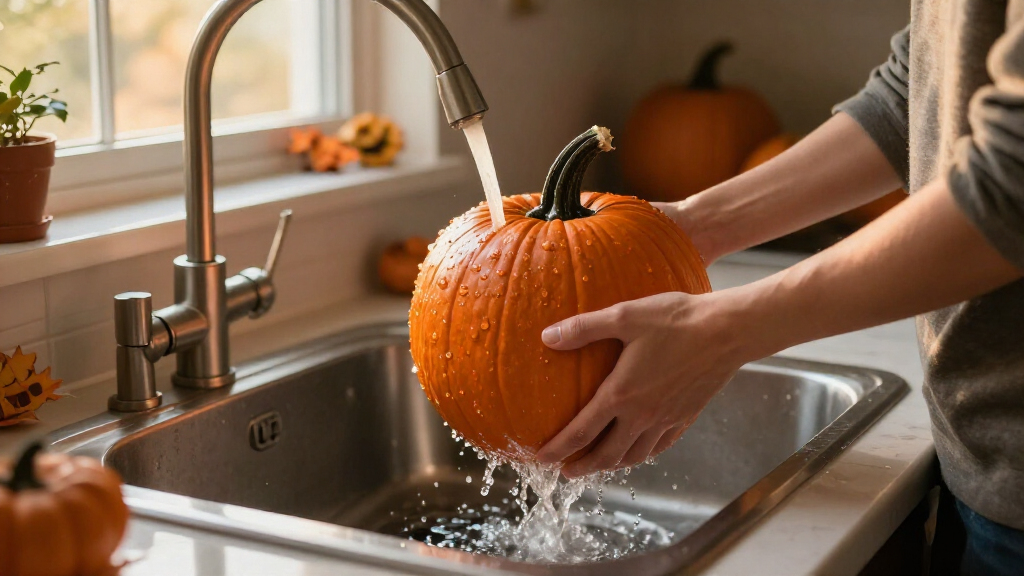
The article recommends separating pumpkin seeds from the flesh, washing them and drying them thoroughly. Dry seeds can be stored in an envelope for spring planting; seeds not kept for planting can be seasoned and roasted. The report gives a preparation method of coating seeds with a little oil and baking them at 200C for about 10 to 15 minutes, turning them every five minutes. That is the source’s suggested cooking guidance, not a food-safety assessment of any particular pumpkin.
For pumpkins that are no longer suitable to eat, the article suggests cutting the flesh into small pieces before composting or burying small pieces in an empty garden bed. DT Brown senior seed and plant buyer Rachel Cole says pumpkin is a moist, nitrogen-rich material; she recommends balancing it with dry, carbon-rich materials such as fallen leaves and turning the compost to help maintain airflow. Buried pieces should be kept away from plant stems and given time to break down before planting in the area.
The other ideas include decorating pumpkins without carving so they may keep longer, cooking an intact pumpkin if it remains in good condition, and using a hollowed shell as a temporary bird feeder. Cole advises that an intact pumpkin stored indoors may still be suitable for cooking only if it is a food-safe variety and shows no deterioration. A pumpkin left outside or used to hold a candle should not be eaten, according to her guidance.
Keeping Pumpkins Out of the Bin
The suggestions give households ways to use different parts of a seasonal decoration rather than sending every pumpkin to general waste. Seeds can be saved, flesh can be composted or buried, and an intact pumpkin may be usable as food if it meets the conditions described in the report. Those options are not interchangeable: a pumpkin’s condition and how it was used determine what is appropriate.
The advice also draws a distinction between reusing a pumpkin at home and dumping it outdoors. The report says pumpkins left in woodland can rot quickly and are not part of wildlife’s natural habitat. Decorated pumpkins may carry candlewax or other foreign material. That makes controlled disposal or reuse more suitable than leaving the fruit where animals can reach it.
Products Worth Considering

Ring Battery Doorbell Plus, Satin Nickel

Ring Battery Doorbell and Chime (3rd Gen), Satin Nickel

Sonos Era 100 Wireless Smart Speaker, Black
As an affiliate, we earn on qualifying purchases.
Advice for Post-Halloween Pumpkins
The source article frames pumpkin reuse as a practical gardening and household issue that follows annual Halloween carving. It describes the author’s experience saving seeds: two seedlings reportedly produced four pumpkins the following year. That is a personal account, not a guarantee of what other gardeners will grow; results can depend on seed and growing conditions.
The report presents Cole’s comments as gardening guidance rather than as a formal waste-management or wildlife agency directive. It also recommends no-carve decoration, such as marker designs, paint or stick-on foliage, because an uncut pumpkin may deteriorate less quickly and could remain usable for cooking if stored and handled appropriately.
Its seven proposed uses are saving seeds for planting, roasting seeds, composting, burying pieces in soil, using no-carve decoration to preserve the pumpkin, cooking a suitable intact pumpkin, and making a temporary bird feeder from a hollow shell. The source material ends partway through its instructions for the feeder, so it does not provide a complete set of construction or maintenance details.
“It’s easy to think of a pumpkin as something only useful for Halloween, but it’s actually a valuable organic material that people can put to good use.”
— Rachel Cole, senior seed and plant buyer at DT Brown
Condition Determines Safe Reuse
The source does not specify how long a pumpkin can safely remain outdoors or in storage, and it does not set out a detailed inspection process for deciding whether a particular pumpkin is safe to eat. Its advice is conditional: the pumpkin must be an appropriate food variety, intact, stored properly and free of signs of deterioration. When those conditions are not met, the article advises against eating it.
The report also does not give a full bird-feeder guide. It describes a hollow shell as temporary and begins instructions involving holes and wire, but the supplied material cuts off before explaining how to fill or maintain the feeder. Readers should not treat it as a complete wildlife-feeding protocol. The source offers no local council guidance on pumpkin collection or composting rules, which may vary by area.
Choose a Route Before Disposal
Households can first check whether a pumpkin is intact and suitable for cooking, then separate seeds if they plan to plant them or roast them. Pumpkins that are unsuitable for eating can be cut into smaller pieces for a balanced compost heap, or buried in an empty bed with time allowed for decomposition. Do not leave pumpkins in woodland, and do not eat pumpkins that have held candles or show deterioration, according to the report.
The article offers household reuse ideas rather than a scheduled follow-up or new policy announcement. What happens next depends on the pumpkin’s condition and the facilities available: gardeners without a compost bin may use the buried-piece option, while those making a feeder should treat the shell as temporary and seek complete, suitable instructions for its use.
Key Questions
Can I eat a carved Halloween pumpkin?
The report advises against eating a pumpkin that has been left outside or held a candle. Cole says an intact pumpkin kept indoors and stored properly might be suitable only if it is a food-safe variety and shows no deterioration.
What can I do with pumpkin seeds?
Wash and dry them thoroughly, then store some in an envelope for spring planting. Seeds not being saved can be seasoned and roasted; Ideal Home suggests about 10 to 15 minutes at 200C, turning them every five minutes.
Can pumpkins go in a compost heap?
Yes, the report recommends composting pumpkins that are no longer fit to eat. Cut the flesh into smaller pieces and mix it with dry, carbon-rich material such as fallen leaves to help balance the pumpkin’s moisture.
Is it safe to leave a pumpkin in woodland for animals?
No. The report warns that pumpkins can rot and become mouldy, are not natural woodland food, and may make wildlife unwell or spread disease. Decorations may also leave candlewax or other foreign material behind.
How can I use a pumpkin without a compost bin?
Ideal Home suggests burying small pieces in an empty garden bed, keeping them away from plant stems and allowing them time to break down before planting in that spot.
Source: rss