
TL;DR

Get cleaning gear delivered free — and shop member deals
- Fast, free delivery on millions of items
- Access to Prime Big Deal Days deals on October 6–7
- Prime Video, Amazon Music and more included
A Family Handyman winterization report, drawing on advice from roofing and HVAC contractors, identifies ten areas homeowners should insulate before winter: attic and roof spaces, exterior walls, windows and doors, pipes, basements and crawl spaces, garage walls, ductwork, outlets, and small air leaks. Experts say air sealing plus insulation reduces heat loss, protects plumbing from freezing, and prevents avoidable spikes in winter energy bills.
A fall winterization checklist from Family Handyman identifies ten areas of the home — from attic floors to rim joists and outlet gaskets — that contractors say should be insulated and air-sealed before winter arrives. The guidance, based on interviews with roofing and HVAC contractors, argues that insulation work done in autumn pays off in lower heating costs, a home that holds heat better, and water pipes that are less likely to freeze.
The report’s central point is that insulation and air sealing are separate jobs, and both are needed. Andre Kazimierski of HomeHero Roofing told Family Handyman that even a well-insulated house will not stay warm if it leaks air: “Sealing gaps goes a very long way with improving overall insulation” — but sealing alone is not enough, because heat also transfers through wood, metal and other building materials. That, he said, is what insulation addresses.
The ten priorities named in the checklist are: attic and roof spaces, exterior walls, windows and doors, pipes and plumbing, the basement and crawl space, garage walls and ceilings, HVAC ductwork, and electrical outlets and other small air leaks. For the attic — the item every expert in the piece agreed should come first — Kazimierski recommends having a roofer inspect and seal gaps in an aging roof, adding rigid foam or spray insulation under the roof deck, and thermally separating a vented attic from the living space by insulating its floor with fiberglass batt or blown-in insulation.
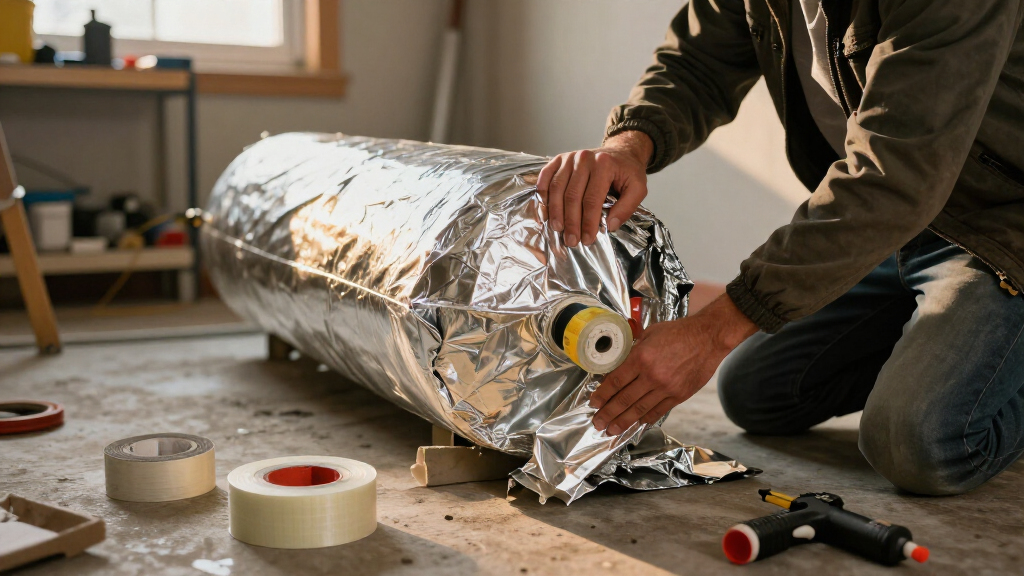
For the rest of the list, contractor Bob Cardwell of Cardwell HVAC recommends blown-in insulation for finished exterior walls, spray foam for gaps in walls, replacing shrunken rubber seals on windows and exterior doors, checking weatherstripping, and installing foam sweeps under exterior doors. For pipes, he advises foam sleeves for exposed plumbing and electric heat cables for pipes in spaces that regularly drop below 32 degrees Fahrenheit. In basements, he says to fill rim joist gaps with closed-cell foam and use expanding foam around pipe and wire penetrations. Ductwork leaks, which he says can be found by feeling for escaping air while the system runs, should be sealed with mastic and UL-listed foil tape — not ordinary duct tape, which dries out.
Why Pre-Winter Insulation Pays Off
The report frames the work in economic and protective terms. Insulation does more than keep a house warm: it protects the water system from freezing and keeps the HVAC system from overworking, according to the piece. Energy bills commonly rise in winter, and the report argues that insulation and air sealing are the practical way to avoid an avoidable spike in heating costs at a time when prices are rising generally.
The advice also carries a compliance note: several of the recommended tasks involve roof work and sealed-combustion or ductwork considerations where licensed professionals are the appropriate choice. Kazimierski specifically recommends hiring a roofer to inspect and seal an old or weathered roof rather than treating it as a DIY task. Homeowners attempting smaller jobs themselves — such as outlet gaskets, weatherstripping, or caulking — should follow basic safety steps, including shutting off power at the breaker before removing outlet covers.
How Contractors Say Heat Escapes
The checklist is built around how houses actually lose heat. Kazimierski notes that as a roof ages, it develops gaps that let cold air into the attic, which then leaks into the home. Wood siding provides some insulation value because wood is a poor heat conductor, but not enough on its own; Cardwell says poorly insulated brick and concrete act like heat sinks, absorbing indoor heat and radiating it outdoors.
Roofer Cody Purtle of Silver Ridge Roofing adds that warm air rises, so inadequate attic insulation lets a significant amount of heat escape through the roof — the reason he and the other experts said the attic should be the starting point. Small leaks matter too: the report says a surprising amount of cold air passes through gaps around electrical outlets and where pipes and wires enter walls. Garages generally do not need full insulation unless they share a wall with the house — and any shared wall does — or the garage is finished and used for more than parking.
“Sealing gaps goes a very long way with improving overall insulation.”
— Andre Kazimierski, HomeHero Roofing
Where the Checklist Stops Short
The source material is contractor advice, not measured data. The report does not cite specific figures on how much energy or money each measure saves, so readers cannot verify the size of the payoff for any individual job. Savings will depend on a home’s age, construction, climate and current insulation levels.
The checklist also defers some questions. Cardwell notes that spring, not fall, is actually the best time to insulate an attic — the source text is cut off before fully explaining why — so fall attic work is presented as better than waiting, not ideal. The report does not address how to determine whether existing insulation is adequate, what R-values to target, or which local building codes and permits may apply to insulation or roof work; homeowners should confirm those requirements with local authorities or licensed contractors before starting.
Acting Before the First Freeze
For homeowners who want to act on the checklist, the logical sequence follows the experts’ priorities: start with an attic and roof inspection — hiring a licensed roofer if the roof is old or weathered — then move to air sealing at windows, doors, outlets and the rim joist, followed by pipe protection in unheated spaces and duct sealing with mastic and foil tape. Rubber door and window seals and weatherstripping should be checked each fall, even if they do not need replacing every year, Cardwell said.
The broader takeaway from the report is that this is seasonal, recurring maintenance: ductwork seams become more likely to leak as they age, seals shrink and become brittle over time, and roofs develop gaps as they weather. Homeowners who complete high-priority items this fall can schedule remaining work — such as a full spring attic insulation upgrade, which Cardwell recommends as the better timing — for after winter.
Key Questions
What should I insulate first before winter?
All the experts cited in the report agreed the attic and roof come first. Cody Purtle of Silver Ridge Roofing explained that warm air rises, so inadequate attic insulation lets significant heat escape through the roof.
Do I need to insulate every water pipe?
No. According to Cardwell, the priority is pipes near exterior walls and those running through unheated spaces such as attics, basements and crawl spaces. Foam sleeves work for exposed pipes in somewhat protected areas; electric heat cables are advised where temperatures regularly drop below 32 degrees Fahrenheit.
Can I use regular duct tape on HVAC ducts?
No. Cardwell said ordinary duct tape dries out and does not work well on HVAC ducts. He recommends sealing joints with mastic and UL-listed foil tape instead.
Is fall actually the best time to insulate an attic?
According to Cardwell, spring is technically the best time to insulate an attic, though the source article’s explanation is cut off. Fall is still worthwhile to prevent heat loss and drafts through the coming winter.
Do I need a professional for any of these jobs?
Roof inspection and sealing should be done by a licensed roofer, especially on an old or weathered roof, Kazimierski advised. DIY tasks like outlet gaskets or weatherstripping require basic safety steps, such as turning off power at the breaker before removing outlet covers.
Source: rss
Fall Picks
fall essentials
As an affiliate, we earn on qualifying purchases.