
TL;DR

Get cleaning gear delivered free — and shop member deals
- Fast, free delivery on millions of items
- Access to Prime Big Deal Days deals on October 6–7
- Prime Video, Amazon Music and more included
Cordless stick vacuums are lightweight, versatile, and perfect for quick cleaning, but their performance varies. Focus on battery life, suction, and filtration to pick the best model for your home.
Imagine grabbing a vacuum that’s as light as a feather but still packs enough punch to clean your entire apartment. Cordless stick vacuums have become the go-to choice for quick, convenient cleaning. They’re designed for those moments when you don’t want to drag out a bulky machine or untangle cords. But behind the sleek exterior lies a complex balance of power, battery life, and usability.
In this guide, you’ll learn what makes a cordless stick vacuum really work — from cleaning strength to battery longevity. Plus, I’ll share practical tips to help you pick one that matches your home and habits. Why settle for less? Your next cleaning partner should be light, smart, and powerful.
Real-world performance matters more than suction numbers — check independent pickup tests.
Battery runtime varies significantly when using powered heads and high modes; a second battery can extend cleaning time.
Choose a head suited for your floors — soft rollers for hard surfaces, bristled for carpets.
Handle weight distribution and maneuverability impact ease of use — don’t just go by total weight.
Sealed filtration systems and washable filters improve dust control, especially for allergy sufferers.
How to Pick a Vacuum That Actually Cleans Well
Not all suction numbers are created equal. When shopping, focus on real-world performance. A vacuum’s ability to pick up dust, hair, and crumbs depends on brush design, airflow, and floor head sealing. For example, a handheld unit with a weak brush might struggle on pet hair, while a powerful motorized head easily pulls embedded dirt from carpets.
Look beyond marketing claims. Check independent pickup tests, read reviews, and pay attention to how the vacuum performs on your typical surfaces. A strong suction rating doesn’t guarantee a clean floor if the brush roll is poorly designed or the airflow leaks around the edges.
Deeply understanding these factors matters because they directly impact your cleaning efficiency. A vacuum with high suction but poor airflow management can leave debris behind, wasting your time and energy. Conversely, a well-designed brush and optimized airflow can compensate for slightly lower suction ratings, providing more effective cleaning. The tradeoff often involves balancing power, weight, and battery consumption, so consider what matters most for your typical cleaning tasks.
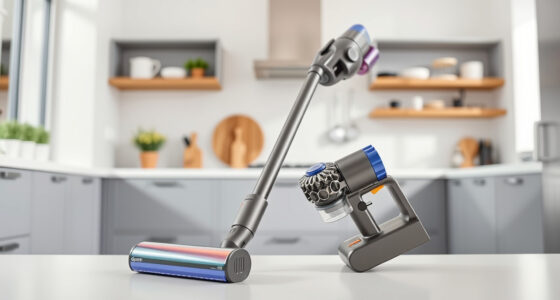
cordless stick vacuum with long battery life
As an affiliate, we earn on qualifying purchases.
As an affiliate, we earn on qualifying purchases.
Battery Life: Why It’s Not Just About Big Numbers
Many vacuums boast impressive battery capacities — 60, 70, even 100 minutes. But those numbers can be misleading. Most models only deliver maximum runtime of 10-15 minutes when the powered floor head is on or when using high suction modes. This discrepancy exists because manufacturers often measure runtime using low-power, minimal accessory configurations, which don’t reflect actual cleaning conditions. The implication is that a long battery life in marketing terms doesn’t necessarily translate to longer cleaning sessions in real life.
For example, a popular model advertises 60 minutes of runtime, but that’s in low-power mode with a lightweight attachment. Switch to turbo mode, and you might get only 8 minutes of real cleaning power. This highlights the importance of understanding how your typical cleaning routine aligns with these modes. If you need to clean large areas or multiple rooms, a model with a removable or swappable battery becomes crucial, as it allows you to extend your cleaning without waiting for a recharge. The tradeoff here involves balancing convenience against added cost and complexity.
The key is to recognize that battery capacity is just one piece of the puzzle. The real value lies in how the device manages power during actual use, and whether it offers options like spare batteries or fast-charging to meet your needs. Choosing models with intelligent power management can mean the difference between quick, efficient cleans and frustrating interruptions.
Hard Floors or Carpets? Pick the Right Head for Each
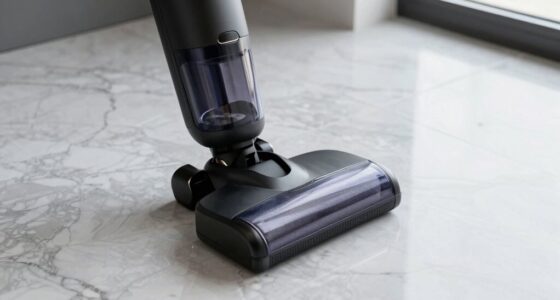
Hard floors and carpets demand different tools. A soft roller brush is gentle on tile and wood, capturing fine dust without scratching. It’s perfect for daily quick cleans in the kitchen or living room. On the other hand, a bristled or hybrid brush roll agitates carpet fibers, lifting embedded dirt and pet hair.
For homes with mixed surfaces, look for vacuums with adjustable or separate heads. For instance, some models let you switch between a soft roller for hard floors and a motorized brush for carpets with just a click. This flexibility isn’t just a convenience; it impacts cleaning effectiveness. Using the wrong head on a surface can reduce suction efficiency, cause unnecessary wear, or even damage delicate flooring. The tradeoff is that adjustable heads may add complexity or cost but ultimately provide better, tailored cleaning results.
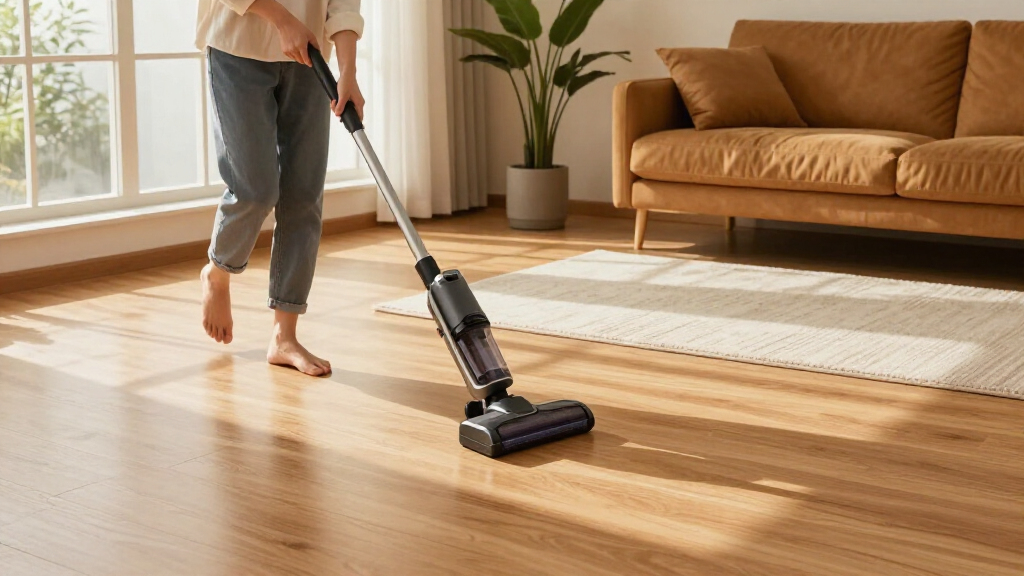
Imagine vacuuming your living room’s plush rug and then switching effortlessly to the hard-tile kitchen floor. That’s the convenience a good floor head design offers, and it can significantly improve your cleaning routine by reducing the need for multiple devices or manual adjustments.
How Weight and Handling Make or Break Your Cleaning
Lightweight vacuums are appealing, but weight distribution matters just as much. A vacuum that feels balanced and easy to steer reduces fatigue. For example, a model with a heavy motor in the wand can cause wrist strain, even if it weighs only 5 pounds. The implication is that total weight isn’t the sole indicator of ease of use; how that weight is distributed affects maneuverability and comfort.
Handle comfort, maneuverability, and how easily the vacuum glides under furniture all influence your experience. Some vacuums stand upright on their own, which is handy for storage, but may be less convenient for quick pulls or tight spaces. Others need to be leaned or docked, which can be cumbersome if space is limited. The tradeoff involves considering whether you prioritize storage convenience or ease of handling during use. A well-balanced, lightweight design can make the difference between a quick, effortless clean and a tiring chore.
Picture yourself vacuuming under a low couch or up a staircase. A well-balanced, lightweight model minimizes strain, making these moments less daunting and more efficient. The key takeaway is that handling and weight distribution influence how often and how comfortably you’ll vacuum, affecting overall satisfaction.
Filtration and Dust Control: Keep Allergens in Check
Filtration is about more than just catching dust; it’s about sealing fine particles inside the vacuum. Sealed HEPA systems trap allergens, making them ideal for allergy sufferers. But a sealed system is useless if air leaks around filters or gaps. The implication is that the effectiveness of filtration depends not only on the presence of high-grade filters but also on the integrity of the entire sealing system.
For example, a vacuum with a true sealed HEPA filtration system and washable, high-quality filters will prevent dust from escaping back into your home. Regular cleaning of filters is essential to maintain performance because clogged or dirty filters reduce airflow, decreasing suction and filtration efficiency. Remember, washable filters need to be completely dry before reinstalling — or you risk mold and poor airflow, which can negate the benefits of a good filtration system. The tradeoff involves balancing maintenance effort with filtration quality; washable filters are more cost-effective long-term but require diligence.
Good filtration can significantly reduce indoor allergens, but it works best when combined with regular dusting and air quality management. The bottom line is that a well-maintained, sealed filtration system is a cornerstone of a healthier home environment.
Dustbin Capacity and Emptying: How Often Is Too Often?
Compact dustbins keep the vacuum lightweight but require frequent emptying—especially if you have pets or thick carpets. Imagine vacuuming a large, shaggy rug, only to find yourself stopping every five minutes to empty the bin. The implication is that smaller bins can interrupt your cleaning flow, reducing efficiency and increasing maintenance time.
Look for models with hygienic, one-touch emptying and easy access to filters. Some vacuums trap hair in the brush roll to prevent tangles, reducing maintenance time. If you prefer less fuss, consider larger bins or models with self-emptying docks, even if they add bulk and cost. The tradeoff involves balancing convenience and capacity; larger bins reduce the frequency of emptying but can make the vacuum heavier or bulkier to store. The key is matching bin size to your cleaning habits—more frequent small empties may be more manageable than infrequent, large ones if you prefer quick, daily tidying.
Think about your cleaning routines. Do you prioritize quick, daily cleans or deep, less frequent sessions? Your choice affects how often you’ll need to empty the bin and how convenient your overall experience will be.
Pet Hair? Here’s How to Tackle It Effectively
Pet hair is relentless, especially in homes with furry friends. A good cordless vacuum needs a motorized brush roll designed for pet hair, plus anti-tangle features that prevent hair from wrapping around the roller. The significance lies in the fact that pet hair can quickly clog brushes and reduce suction, making cleaning more laborious. The tradeoff involves choosing tools that are specifically engineered to handle high hair volumes without sacrificing suction or requiring frequent maintenance.
For example, some models use comb-like fins or tapered rollers that shed hair more easily, reducing cleanup time and preventing tangles that diminish suction. A motorized upholstery tool with a powerful suction helps remove pet hair from furniture and stairs, which are often the most affected areas. Also, a larger dustbin minimizes frequent emptying—crucial in homes with shedding pets, as it prevents the need for constant stops to clear debris. The implication is that investing in specialized tools and larger capacity models can save time and frustration, especially in pet-centric households.
Picture cleaning your sofa after a walk with your dog. A vacuum with pet-specific tools and anti-tangle design makes the job quicker and less frustrating, ensuring your home stays fur-free without excessive effort.
Noise Levels: Do You Need a Silent Vacuum?
Cordless vacuums aren’t always whisper-quiet, but noise levels matter if you clean during naps or late-night hours. High-speed motors can produce sounds over 70 decibels — comparable to a loud conversation. The implication is that noise can be a significant factor affecting your comfort and household harmony, especially in shared living spaces or when cleaning around children and pets.
Some models incorporate noise-reduction tech, making them quieter at around 65 decibels. If noise is a concern, test the vacuum in-store or read reviews on sound levels. Keep in mind, higher suction often equals louder operation, especially in boost mode, so balancing power and noise is crucial. The tradeoff may involve choosing a slightly less powerful but quieter model, or accepting some noise for better cleaning performance. The key is to match your environment and preferences with a vacuum that minimizes disruption, making routine cleaning less intrusive and more compatible with daily life.
Imagine vacuuming with your baby sleeping nearby. A quieter model can make that routine less disruptive, allowing you to maintain a peaceful home while keeping it clean.
Maintenance and Repairs: Keep Your Vacuum Running Smoothly
Regular cleaning of filters, brush rolls, and airways keeps performance high. For instance, cleaning filters every few months and checking the brush for hair tangles prevents loss of suction. The importance of maintenance is that neglecting these tasks leads to gradual performance degradation, which can be mistaken for a faulty or underpowered vacuum. Many models have washable filters, but they need to be completely dry before reuse, or mold and airflow issues can develop, reducing effectiveness. The implication is that routine upkeep is essential for sustained performance and longevity.
Battery life diminishes over time, usually after 300-500 full charge cycles. Some brands offer replacement batteries, which can extend the life of your vacuum significantly. Checking warranty and parts availability before purchase is wise, as accessible spare parts make repairs easier and more affordable. The tradeoff involves investing in maintenance-friendly models versus cheaper units that may require replacement sooner. Proper maintenance routines and access to affordable parts can save money and frustration, ensuring your vacuum remains effective for years.
Imagine your vacuum suddenly losing power after a year. With regular maintenance and quality parts, you can often restore performance and avoid premature replacement, making your investment more worthwhile.
Storage and Charging: Make It Easy to Keep Ready
Wall mounts and charging docks are popular, but consider your space. A dock that installs near an outlet keeps your vacuum charged and ready without cluttering your closet. Some models can stand on their own, which is advantageous for small apartments or spaces with limited wall space. The implication is that your storage solution should align with your living environment, ensuring quick access and consistent charging. Improper placement can lead to inconvenience or neglecting regular charging, which hampers readiness.
Charging times vary from 3 to 6 hours, so plan your storage spot accordingly. If you have multiple vacuums, look for models with removable batteries and quick-charging features, which can streamline your cleaning process. The tradeoff involves choosing between a dedicated, space-efficient dock and a standalone unit that may require more frequent manual charging. The key is to select a setup that minimizes hassle and encourages regular use, keeping your vacuum always ready for action.
Picture grabbing your vacuum on a busy weekday — a simple, accessible charging setup makes it effortless to keep your cleaning tool ready for quick use, preventing delays in your routine.
Latest Tech Trends That Make Cordless Vacuums Smarter
Automatic suction adjustment uses sensors to detect floor type or debris, changing power levels for efficiency—saving battery life and boosting cleaning. For example, sensors that recognize a transition from hard floor to carpet can automatically increase suction, ensuring thorough cleaning without manual switching. This technology reduces user effort and optimizes power use, but it requires sophisticated calibration to avoid false triggers or inadequate responses, which could either waste energy or compromise cleaning quality.
Some vacuums now illuminate dust with LED or laser lights, revealing hidden dirt on hard floors. This feature enhances user awareness and allows targeted cleaning, but it also adds complexity and cost. On-screen displays showing remaining runtime, filter status, and maintenance alerts make user control more intuitive. Anti-tangle brush bars with fins or combs reduce hair wrapping, cutting down maintenance time. High-energy lithium-ion batteries now offer longer runtimes and faster charging, with some models featuring swappable packs for uninterrupted cleaning. These advances collectively push the boundaries of convenience and efficiency, but they also mean consumers need to understand and manage new features to maximize benefits.
Imagine a vacuum that detects when your carpet is especially dirty and automatically boosts power, or one that lights up hidden dust for a more thorough clean. These innovations make cordless models more capable and user-friendly than ever, but they also require a bit of learning to harness their full potential.
Common Mistakes and How to Avoid Them
Many buyers focus solely on suction power, ignoring real-world factors like brush design and airflow. Remember, a high wattage doesn’t always mean better cleaning. Check independent tests for actual pickup results. The mistake here is equating power ratings with effectiveness; understanding the full system—brush, airflow, and motor—is crucial for real performance. Overestimating runtime is another mistake. Always verify real-world performance with the motorized head attached, as marketing figures often omit the impact of accessories or modes used during actual cleaning. Don’t forget to consider filter and brush maintenance — neglecting these leads to performance drops and increased frustration. The tradeoff involves investing in a model with accessible maintenance features versus cheaper, less serviceable options. Picture buying a sleek vacuum with a big battery, only to find it runs out after 10 minutes of serious cleaning. Doing your homework, reading reviews, and testing models if possible can help you avoid these pitfalls and select a truly effective machine.
Should You Stick With Your Old Corded Model or Go Cordless?
In small homes, apartments, or spaces with mostly hard floors, a cordless vacuum can replace your corded one entirely. It’s quick, light, and perfect for daily tidying. But for larger homes, with thick carpets and heavy-duty cleaning needs, a corded upright or canister may still outperform a cordless model. The implication is that while cordless vacuums excel in convenience and quick tasks, they may lack the sustained power and runtime necessary for more intensive cleaning. For example, a family with a big shaggy rug and frequent deep cleans might find their cordless vacuum struggling after a few minutes, leading to incomplete cleaning and frustration. Meanwhile, a corded model can run continuously, handling large areas with ease. Think about your cleaning habits: if you prefer quick, everyday cleans, a cordless fits well. If you need deep, thorough cleaning regularly, a corded machine might be more appropriate. The tradeoff is between convenience and endurance, and your choice should reflect your actual cleaning needs and space size.
Key Tips for Buying Your Perfect Cordless Stick Vacuum
Match the floor head to your surfaces. Test pickup performance in-store, not just suction ratings. Check if the battery is removable — it’s a game-changer for long-term use. Review filter costs and filtration quality. Consider bin size if you have pets or large areas. Test weight, maneuverability, and how it feels in your hand. Confirm replacement parts and warranty support. Measure dock size and charging options. These considerations matter because they directly influence your daily convenience, long-term durability, and overall satisfaction. A well-chosen vacuum that aligns with your specific needs ensures you won’t be frustrated by mismatched features or hidden costs later on. The tradeoff is that thorough research may require more initial effort but pays off in a more reliable, satisfying cleaning experience.
By ticking these boxes, you’ll find a model that’s reliable, convenient, and tailored to your home’s needs.
Frequently Asked Questions
How much suction power does a cordless vacuum need?
There’s no one-size-fits-all answer. Instead, focus on how well a vacuum performs on your surfaces during independent tests. Real-world pickup on carpets, pet hair, and fine dust is a better guide than suction ratings alone.
How long should the battery last for typical cleaning?
Most models offer around 30–60 minutes in low-power modes, but high suction or powered heads cut that down to 8–15 minutes. Think about your routine — if you need longer sessions, look for models with removable batteries or extra packs.
Can a cordless stick vacuum replace my corded one?
For small apartments, hard floors, and quick daily tidying, yes. For larger homes, thick carpets, or deep cleaning needs, a corded vacuum still offers more endurance and power. It depends on your space and cleaning frequency.
Are removable batteries worth the investment?
Definitely, especially if you have a large home or want uninterrupted cleaning. Swappable batteries extend runtime and ease maintenance, making your vacuum more versatile over time.
What accessories are essential for pet owners?
A motorized pet hair tool, anti-tangle brush roll, and a crevice or upholstery tool are key. These features make removing fur faster and less frustrating, especially on furniture and stairs.
Conclusion
In the end, a cordless stick vacuum isn’t just about how sleek or powerful it looks. It’s about how well it fits your cleaning routine, your home’s surfaces, and your long-term needs. Take the time to consider performance, battery, and maintenance — the right choice makes cleaning faster, easier, and more satisfying.
Imagine a vacuum that’s always ready at your beck and call, quietly tidying up with just a push of a button. That’s the promise of a smart, well-chosen cordless stick cleaner. Make your pick wisely, and enjoy a cleaner, happier space every day.
Fall Picks
fall essentials
As an affiliate, we earn on qualifying purchases.