
When choosing a vacuum for asthmatics, prioritize models with high-quality HEPA filters that trap at least 99.97% of tiny particles like dust, pollen, pet dander, and mold spores. Look for sealed systems to prevent allergens from escaping back into the air and guarantee regular filter maintenance for continued effectiveness. Lightweight, easy-to-use designs can encourage consistent cleaning. Keep in mind, combining your vacuum with air purifiers can further improve your indoor air quality—learn more about optimizing your setup.

Get cleaning gear delivered free — and shop member deals
- Fast, free delivery on millions of items
- Access to Prime Big Deal Days deals on October 6–7
- Prime Video, Amazon Music and more included
Key Takeaways
- Select vacuums with HEPA filters that trap at least 99.97% of particles as small as 0.3 microns.
- Ensure the vacuum has a sealed system to prevent allergen leakage during use.
- Choose lightweight, ergonomic models to facilitate regular and thorough cleaning.
- Regularly replace or clean filters to maintain optimal allergen filtration performance.
- Use vacuums in conjunction with air purifiers to maximize indoor air quality and reduce asthma triggers.

If you or someone you care for has asthma, choosing the right vacuum cleaner is essential for maintaining indoor air quality. Asthma symptoms can be triggered or worsened by airborne allergens and irritants, so selecting a device with optimal allergen filtration efficiency is crucial. Look for vacuums that are compatible with air purifiers or have built-in HEPA filters, as these systems work together to trap tiny particles like dust mites, pollen, pet dander, and mold spores. Proper allergen filtration significantly reduces airborne irritants, making breathing easier for asthma sufferers.
When evaluating vacuum cleaners, consider models that boast high allergen filtration efficiency. HEPA filters are considered the gold standard because they can trap at least 99.97% of particles as small as 0.3 microns. This level of filtration ensures that even the smallest allergens don’t escape back into the air during cleaning. Keep in mind that the filter’s quality and maintenance are equally important—regularly replacing or cleaning filters ensures they continue to perform at peak efficiency. A vacuum equipped with a sealed system prevents allergens from leaking back into the environment, which is vital for effective asthma management.
Air purifier compatibility is another critical factor. Some vacuums are designed to work seamlessly with portable air purifiers, creating a synergistic effect that maximizes indoor air quality. For instance, using a vacuum with a highly efficient filtration system alongside a purifier that captures airborne particles can drastically reduce the overall allergen load in your home. This combination is especially useful if you live in an area with high pollen counts or if you have pets. Properly matching your vacuum cleaner’s filtration system with an air purifier can help you create a cleaner, healthier living space, reducing asthma triggers and improving your quality of life.
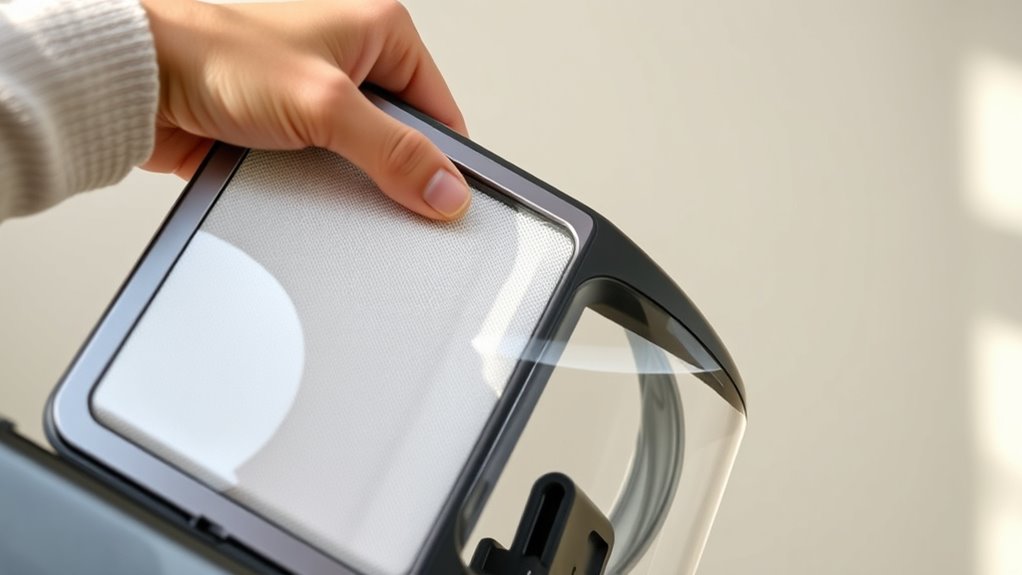
Additionally, opt for vacuums with advanced filtration systems that are easy to maintain. Models with easily accessible filters make routine replacements straightforward, ensuring you don’t skip essential maintenance. Lightweight and ergonomic designs also matter, as they encourage frequent cleaning without fatigue, which is vital for thorough allergen removal. Regular maintenance and filter replacement are essential to keep the system working effectively and to prevent the buildup of allergens that can worsen asthma symptoms. Remember, even the best vacuum won’t be effective if it’s not used regularly or if filters aren’t maintained properly.
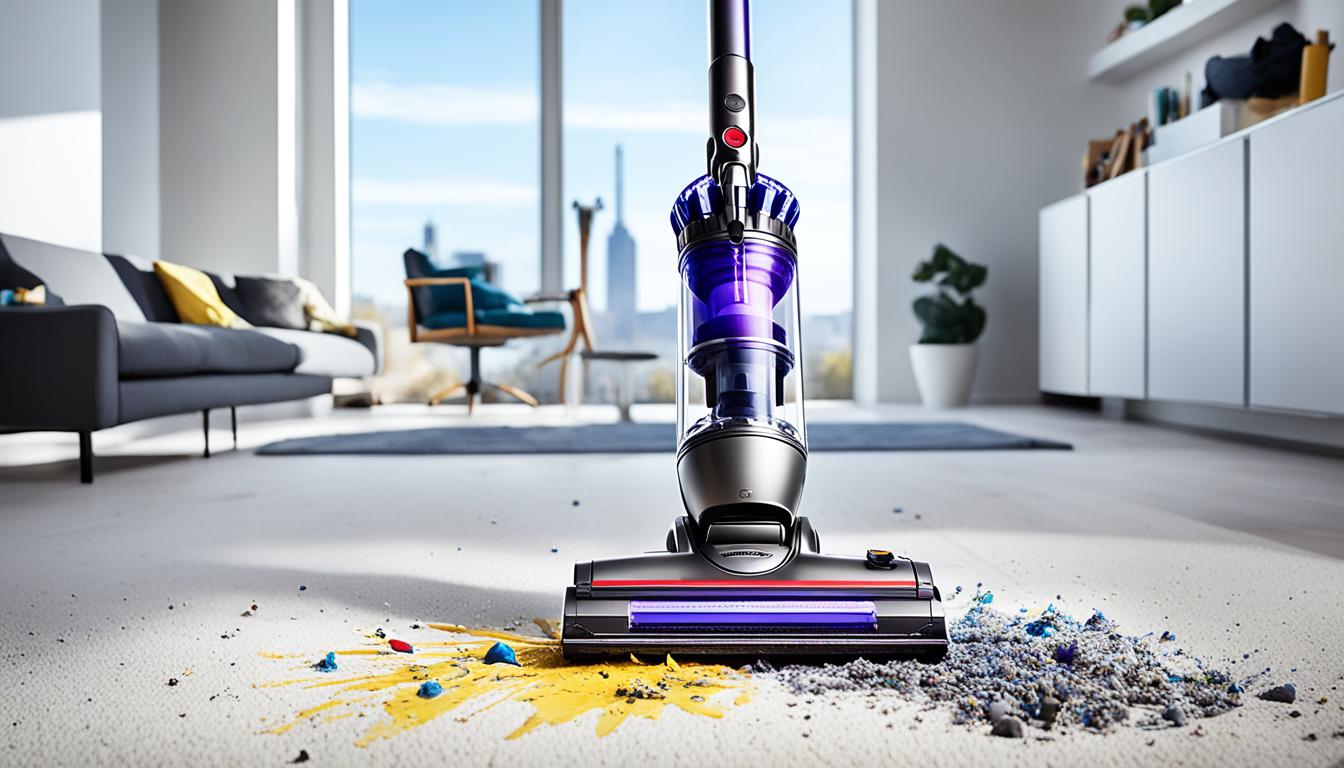
HEPA filter vacuum cleaner for asthma
As an affiliate, we earn on qualifying purchases.
As an affiliate, we earn on qualifying purchases.
Frequently Asked Questions
Are HEPA Filters the Only Effective Option for Asthmatics?
HEPA filters are highly effective for allergen removal and are often your best choice for asthmatics. While other filters can help, HEPA filters trap tiny particles that trigger asthma symptoms, reducing airborne allergens. You should look for vacuums with HEPA filtration to guarantee maximum allergen removal. Remember, proper maintenance and regular cleaning enhance their effectiveness, making your environment safer and more comfortable.
How Often Should Vacuum Filters Be Replaced for Optimal Air Quality?
You should replace vacuum filters every 3 to 6 months for peak air quality. Regular filter maintenance, including timely replacements, helps prevent dust, allergens, and irritants from recirculating. Follow the manufacturer’s replacement schedules, and check filters frequently for dirt buildup. By maintaining and replacing filters consistently, you guarantee cleaner air, reduce asthma triggers, and create a healthier living environment.
Can Vacuum Noise Trigger Asthma Symptoms?
Yes, vacuum noise can trigger asthma symptoms in some individuals. Loud, high-pitched sounds may irritate your airways or cause discomfort, especially if you’re sensitive to asthma triggers. To minimize this, choose quieter vacuum models with lower decibel levels, and use them in well-ventilated areas. Reducing vacuum noise helps you breathe easier and prevents potential asthma flare-ups caused by noise-related irritation.
Are Cordless Vacuums Better for Asthma Sufferers Than Corded?
Cordless vacuums can be better for asthma sufferers because of their cordless convenience, making it easier to clean tight spaces and reducing tripping hazards. However, consider battery longevity, as shorter battery life may require more frequent charging, which could release fumes or dust. If you prioritize ease of use and flexibility, a cordless vacuum might suit you better, but verify it has good battery performance to avoid interruptions.
What Cleaning Routines Best Reduce Airborne Allergens in the Home?
Imagine your home as a fortress against allergens. To achieve this, you should vacuum regularly with an allergy-friendly vacuum, use air purifier recommendations designed to trap airborne particles, and wash allergy-proof bedding weekly. Keep humidity levels low to prevent mold growth, and avoid clutter that traps dust. These routines work together to markedly reduce airborne allergens, creating a safer, healthier environment for your asthma management.
Conclusion
Choosing the right vacuum cleaner can substantially improve your indoor air quality and manage asthma symptoms. Look for models with HEPA filters and strong filtration systems to reduce allergens effectively. Did you know that studies show HEPA filters can trap up to 99.97% of airborne particles? By selecting a suitable vacuum, you’re taking a proactive step toward healthier living. Make informed choices, and enjoy cleaner, safer air every day.
Halloween Picks
halloween
As an affiliate, we earn on qualifying purchases.