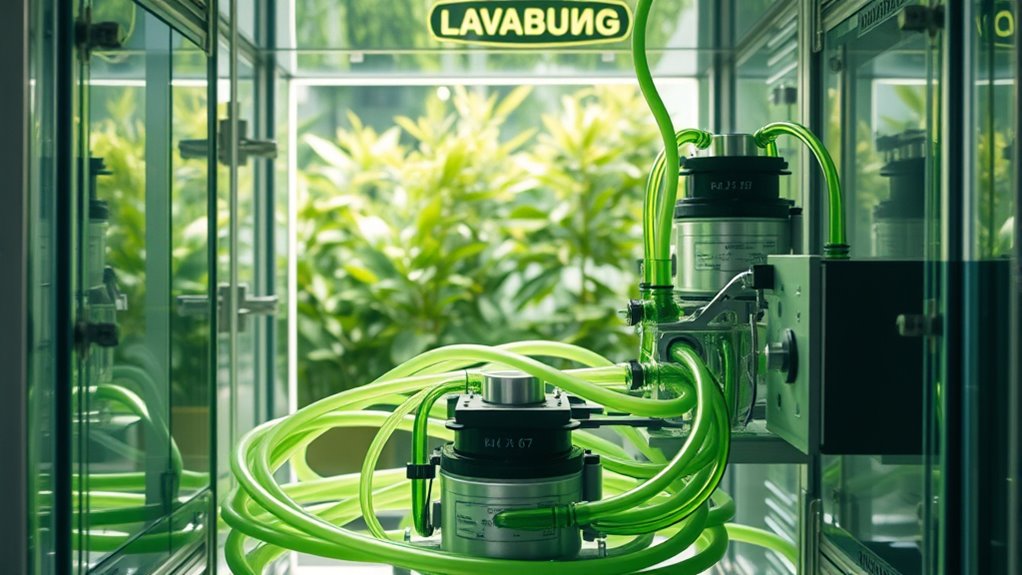

Using eco-friendly materials in vacuum manufacturing helps you reduce environmental impact by sourcing responsibly, utilizing biodegradable components, and designing for recyclability. You can support sustainability goals with renewable resources like bio-composites or plant-based fibers, minimizing waste and pollution. This approach not only benefits the planet but also meets consumer demand for greener products. Continuing your exploration will reveal how these innovations are shaping the future of eco-conscious vacuum manufacturing and what it means for you.
Key Takeaways
- Use biodegradable plastics derived from renewable resources for vacuum housing and internal components.
- Incorporate plant-based fibers and bio-composites to enhance strength while maintaining eco-friendliness.
- Source raw materials sustainably to minimize environmental impact and support conservation efforts.
- Design products for easier disassembly, recycling, and composting at the end of their lifecycle.
- Integrate recycled plastics and bio-based materials to reduce reliance on fossil fuels and lower carbon footprint.
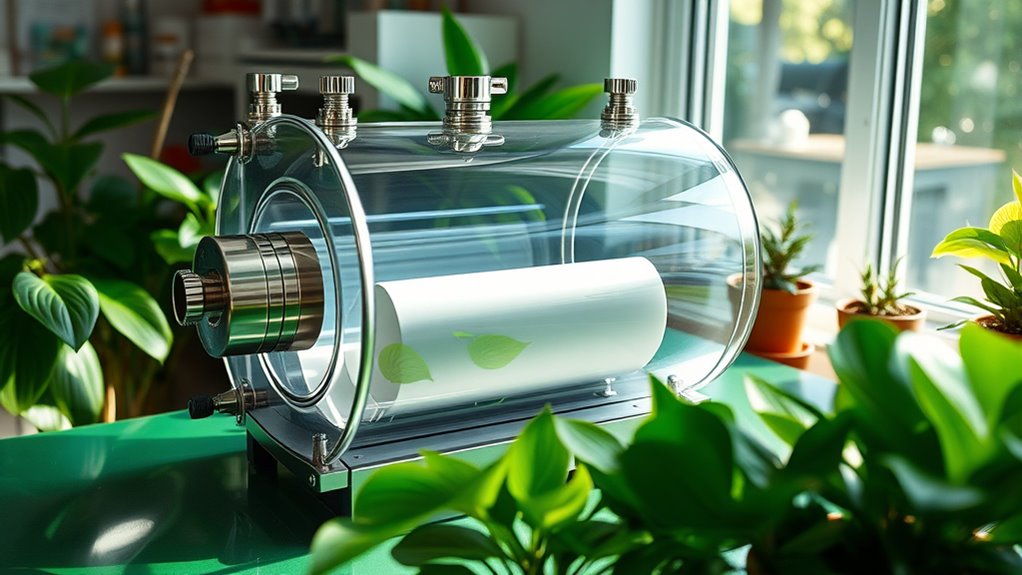
As the demand for sustainable practices grows, vacuum manufacturing companies are increasingly turning to eco-friendly materials to reduce their environmental impact. One key approach is embracing sustainable sourcing, guaranteeing that raw materials are obtained responsibly, without depleting natural resources or harming ecosystems. By prioritizing suppliers who follow ethical practices, manufacturers can minimize their carbon footprint from the very beginning of the production process. This shift not only supports environmental conservation but also appeals to consumers who value eco-conscious products.
Incorporating biodegradable components is another essential strategy in creating environmentally friendly vacuums. These components are designed to break down naturally after disposal, reducing landfill waste and preventing pollution. For example, some companies now utilize biodegradable plastics made from renewable resources like cornstarch or sugarcane. These materials can replace traditional plastics in various parts of the vacuum, such as housing casings or internal components, without compromising quality or durability. By integrating biodegradable materials, manufacturers make it easier for consumers to dispose of vacuums responsibly, knowing that the parts won’t persist in the environment for centuries.
The use of sustainable sourcing and biodegradable components often goes hand in hand, creating a more circular approach to manufacturing. You might find vacuums that feature recycled plastics or bio-based materials, which are both sourced responsibly and designed to decompose naturally. This combination reduces dependency on fossil fuels and minimizes waste, making the entire lifecycle of the product more eco-friendly. As you choose a vacuum with these features, you contribute to a larger movement toward sustainability, helping to conserve resources and reduce pollution.
Manufacturers are also exploring innovative materials, such as plant-based fibers or bio-composites, which offer strength and flexibility while being environmentally friendly. These materials often come from renewable sources, aligning with sustainable sourcing principles. Additionally, many companies are redesigning parts to be easier to disassemble, facilitating recycling or composting at the end of the product’s life. This focus on eco-conscious design ensures that every stage, from sourcing to disposal, emphasizes sustainability. Implementing eco-friendly materials can also improve the overall reputation of manufacturers committed to environmental responsibility.
Ultimately, your choice to support vacuums made with sustainable sourcing and biodegradable components encourages the industry to adopt greener practices. It pushes manufacturers to innovate, reduce waste, and lessen reliance on non-renewable resources. As consumers become more aware of environmental issues, the demand for eco-friendly vacuums will only grow, prompting companies to prioritize sustainable materials in their manufacturing processes. By making conscious choices today, you help drive the future of eco-friendly vacuum production, making a tangible difference for the planet.
Frequently Asked Questions
How Do Eco-Friendly Materials Compare in Cost to Traditional Options?
Eco-friendly materials often have a higher cost comparison than traditional options, mainly due to limited supply and specialized processing. However, their economic feasibility improves over time as manufacturing processes become more efficient and demand rises. You might find initial expenses higher, but long-term benefits like reduced environmental impact and compliance with regulations can offset costs. Ultimately, choosing eco-friendly materials can be a smart, sustainable investment for your vacuum manufacturing needs.
Are Eco-Friendly Materials as Durable as Conventional Vacuum Components?
Eco-friendly materials can be just as durable as conventional vacuum components if they are compatible with the specific application. You should assess material compatibility to guarantee they withstand operational conditions. Plus, these eco-friendly options often have a lower environmental impact, making them a smart choice for sustainable manufacturing. While initial costs may vary, their comparable durability means you won’t sacrifice quality for environmental benefits.
What Are the Challenges in Sourcing Sustainable Vacuum Manufacturing Materials?
You face significant challenges sourcing sustainable vacuum manufacturing materials. About 60% of companies report supply chain constraints that delay eco-friendly material availability. You must confirm proper material certification, which can be costly and time-consuming, adding complexity to your procurement process. Balancing sustainability goals with reliable, certified materials requires steering through limited suppliers and maintaining quality standards, making it a complex but essential part of adopting eco-friendly practices in vacuum manufacturing.
Do Eco-Friendly Materials Affect Vacuum Performance or Efficiency?
Eco-friendly materials can affect vacuum performance and efficiency, but it depends on their material durability and quality. You might notice slight performance impacts if the materials aren’t as durable or resistant as traditional options. However, with proper selection and testing, eco-friendly materials can maintain high performance levels. You should prioritize durability to guarantee performance impacts are minimized, allowing your vacuum to operate efficiently without compromising environmental benefits.
How Do Eco-Friendly Materials Impact the Overall Lifecycle and Recyclability of Vacuums?
Like a well-orchestrated symphony, eco-friendly materials enhance your vacuum’s lifecycle and recyclability. They simplify recycling benefits by reducing hazardous waste and enabling easier disassembly. Material innovation guarantees your vacuum remains durable yet eco-conscious, promoting sustainability. This thoughtful approach not only extends the product’s lifespan but also aligns with environmental goals, making your choice a harmonious step toward a greener future while supporting responsible manufacturing practices.
Conclusion
As you explore eco-friendly materials in vacuum manufacturing, you might find it’s no coincidence that sustainability and innovation go hand in hand. By choosing greener options, you’re not only reducing environmental impact but also driving industry progress. It’s almost as if the universe nudges us toward smarter solutions. So, keep pushing for eco-conscious choices—you’ll discover that caring for the planet often aligns perfectly with cutting-edge technology. After all, sustainability is truly a fortunate coincidence.