When you notice rattling, grinding, or clicking, start by listening carefully to identify when the sounds happen—during starting, accelerating, or braking. Check for loose panels, belts, or debris and use tools like a mechanic’s stethoscope to locate the source. Common causes include worn bearings, brake issues, or electrical contacts. Addressing these problems early can prevent further damage, and understanding these clues will help you get to the root of the noise quickly.
Key Takeaways
- Listen carefully to determine when and how the noise occurs to identify its source.
- Use diagnostic tools like a mechanic’s stethoscope or audio apps to analyze noise patterns and frequencies.
- Conduct visual inspections for loose or worn parts, such as belts, bolts, or panels.
- Recognize common causes: rattling from loose components, grinding from worn bearings or brakes, clicking from electrical contacts.
- Gather detailed information about the noise’s timing and conditions to narrow down potential issues.
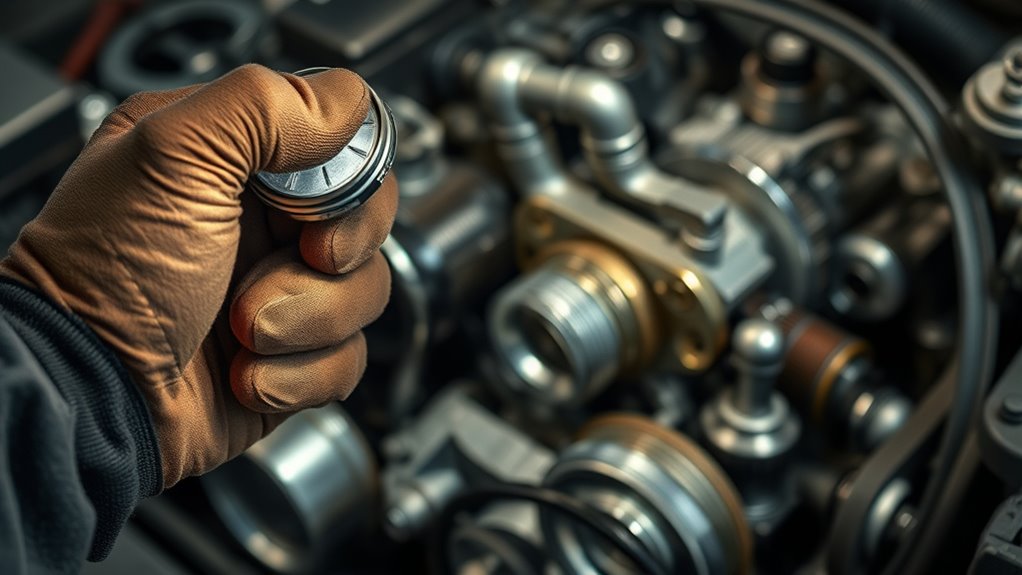
Have you ever heard strange noises coming from your car or appliance and wondered what they mean? These sounds can be unsettling, but understanding their noise sources is the first step toward diagnosing the problem. Rattling, grinding, or clicking noises often point to specific issues, and using the right diagnostic tools can help you pinpoint the cause quickly. When you start noticing unusual sounds, it’s tempting to ignore them or hope they’ll go away, but ignoring noise sources can lead to more extensive damage or costly repairs down the line. Instead, listen carefully and gather information about when and how the sounds occur. Do they happen when you start the engine, accelerate, or brake? Are they constant or intermittent? These details help narrow down potential causes and guide your inspection.
Your diagnostic tools are essential in this process. For example, a mechanic’s stethoscope can help you isolate the noise source by allowing you to listen closely to different parts of the vehicle or appliance. For cars, you might use a flashlight to check under the hood, looking for loose or worn belts, damaged pulleys, or debris caught in moving parts. A visual inspection can reveal obvious issues like a loose exhaust shield or a worn brake pad. For appliances, inspecting moving parts such as fans, belts, or motors can often reveal worn bearings or misaligned components. Many appliances also have diagnostic error codes or sound patterns that can be referenced in user manuals or online resources to identify common causes of specific noises. Additionally, understanding specific Louisiana alimony laws can help anticipate legal considerations if repairs or disputes involve financial aspects tied to the equipment or vehicle damages.
In many cases, the noise source is related to worn or damaged parts that need replacement or adjustment. Rattling sounds might come from loose screws, bolts, or panels, while grinding noises often indicate worn bearings, brake components, or gear issues. Clicking sounds could point to problems with electrical contacts, relays, or worn-out switches. Using diagnostic tools like vibration analyzers or audio recording apps can also help you analyze the pattern and frequency of the noise, providing additional clues. Remember, the key to effective diagnosis is patience and attention to detail. Take your time to listen, inspect, and gather as much information as possible before deciding on the next step. By understanding noise sources and leveraging diagnostic tools, you can often identify and resolve strange noises before they become bigger problems.
Frequently Asked Questions
Can Strange Noises Indicate Engine Failure?
Strange noises can definitely signal engine failure, so you should pay attention to them. During engine diagnostics, noise interpretation helps identify issues early. Rattling, grinding, or clicking often indicate problems like worn-out parts or lubrication issues that could lead to engine damage. If you notice unusual sounds, get your vehicle checked promptly to prevent further damage and ensure safe driving. Ignoring these signs can make repairs more costly later.
Are Rattling Sounds Always a Sign of Brake Issues?
Think of rattling sounds as a warning bell, not always a sign of brake issues. While worn brake pads or a warped brake rotor can cause rattling, it might also stem from loose components elsewhere. Check your brake system first—if you hear rattling during braking, inspect the brake pad and rotor for wear. If unsure, have a mechanic examine your brakes to prevent further damage or safety risks.
How Do I Differentiate Between Normal and Abnormal Clicking?
You can differentiate normal from abnormal clicking by paying attention to when it happens. Normal clicking often occurs during engine start or shut-off, caused by sensor issues or valve operation. Abnormal clicking, however, persists during driving, which may indicate exhaust leaks or other mechanical problems. If the clicking sounds irregular, loud, or constant, it’s time to get your vehicle inspected to prevent further damage.
Is It Safe to Drive With Unusual Grinding Noises?
Driving with unusual grinding noises isn’t safe, as it could indicate serious brake or transmission issues. Studies show that ignoring abnormal sounds increases the risk of accidents by 30%. Always prioritize safety precautions and noise detection; if you hear grinding, it’s best to stop driving and have a professional inspect your vehicle. Continuing to drive can worsen damage, making repairs more costly and compromising your safety.
Can Regular Maintenance Prevent Strange Noises From Occurring?
Regular maintenance can definitely prevent strange noises. You should stick to lubrication schedules to keep moving parts smooth and reduce friction that causes grinding or rattling sounds. Additionally, checking your tire pressure regularly guarantees your vehicle runs quietly and efficiently. By staying on top of these routine tasks, you minimize the risk of unexpected noises and costly repairs, keeping your car quieter and more reliable overall.
Conclusion
Just like a skilled detective uncovers clues, listening carefully to those strange noises reveals what’s really happening beneath the surface. Rattling, grinding, or clicking aren’t just sounds—they’re signals, whispering secrets about your vehicle’s health. Pay attention, trust your instincts, and don’t ignore the signs. If you catch the hints early, you can prevent bigger problems down the road. Remember, every noise is a story waiting to be told, so listen closely and act wisely.