TL;DR

Get cleaning gear delivered free with Prime
- Fast, free delivery on millions of items
- Prime Video, Amazon Music and more included
- Member-only deals all year
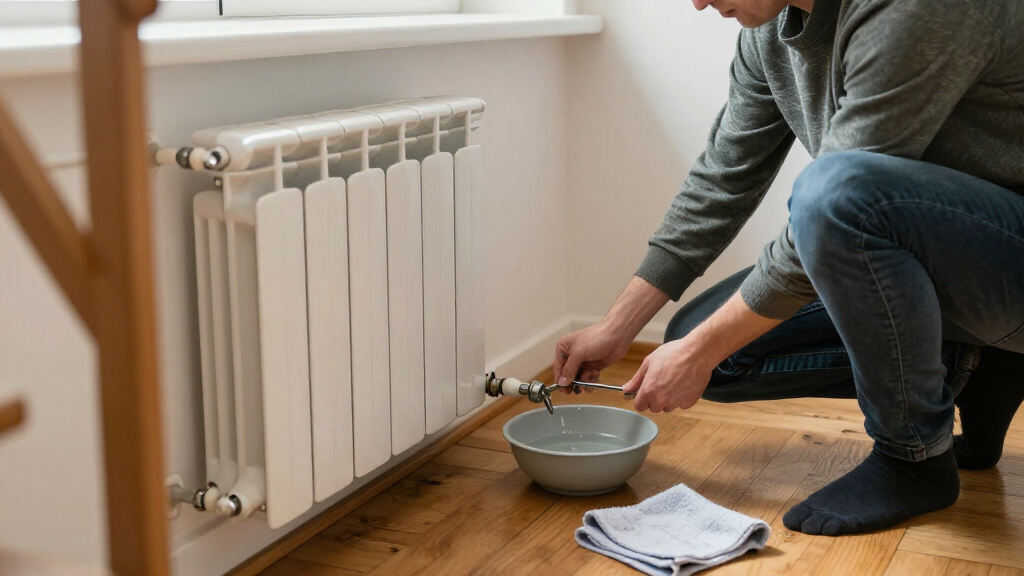
Heating experts cited by Ideal Home recommend bleeding radiators downstairs first, starting with the one farthest from the boiler, then repeating the process upstairs. Bleeding them in another order is unlikely to damage the system, but may mean checking some radiators again; check boiler pressure before restarting the heating.
Bleed downstairs radiators first, then move upstairs, according to heating professionals quoted by Ideal Home in guidance for homeowners preparing their heating systems for colder weather. On each floor, start with the radiator farthest from the boiler; the recommended sequence is intended to clear trapped air methodically, though doing it in the wrong order is not expected to damage the system.
Alex Woods of Victorian Plumbing recommends beginning with the downstairs radiator farthest from the boiler, bleeding the rest of that floor, and then following the same approach upstairs. Woods says air rises through the system, so working from the lower floor upward can help avoid air collecting again in radiators already checked.
Matthew Powell, founder of WarmZilla, told Ideal Home that starting upstairs is not likely to harm the heating system. The potential drawback is extra work: if air is released from downstairs radiators later, it may move through the system and collect upstairs, meaning those radiators may need to be checked again.
The advice also distinguishes between a single radiator problem and signs of a wider issue. Powell says a radiator that is cold at the top while the rest heat normally can be bled on its own. If several radiators are gurgling, heating unevenly or cold at the top, he recommends checking each one. After bleeding, homeowners should check boiler pressure before turning the heating back on, as bleeding can lower pressure in a sealed system.
A Methodical Order Can Save Rework
Following the downstairs-to-upstairs sequence offers a straightforward way to bleed radiators without having to repeat parts of the job. The advice matters to people preparing their heating before colder weather because trapped air can leave radiators heating unevenly, while bleeding can affect pressure in a sealed heating system.
The source does not say that the order is a safety rule or that an incorrect sequence causes damage. Rather, the experts describe it as a more efficient method. Homeowners who start upstairs need not assume they have harmed the system, but may need to revisit radiators after bleeding those downstairs.
Bleeding is not a fix for every heating problem. John Klee, a heating technology expert at BestHeating, says cold areas at the bottom of a radiator may point to sludge and a need for flushing. The source describes that as a more complicated job and advises people who are not confident to contact a qualified professional.
Products Worth Considering

Sonos Beam Ultra Dolby Atmos Soundbar, Black

Dyson Omni-Glide Cordless Stick Vacuum, Gold/Iron

Levoit Vital 100S-P Air Purifier with Washable Pre-Filter
As an affiliate, we earn on qualifying purchases.
What Radiator Symptoms Can Indicate
The guidance is framed as a pre-cold-weather check of a home heating system. It focuses on trapped air, which the experts associate with a radiator cold at the top, gurgling noises or uneven heating. A radiator cold at the top while warm below is described by Powell as a typical sign that air has collected inside it.
Ideal Home’s report says homeowners may bleed only the affected radiator when the problem appears isolated and other radiators heat normally. If several radiators show symptoms, checking them all may be appropriate. If water comes out immediately without air escaping, Powell says that radiator probably did not need bleeding.
Once the radiators have been bled and boiler pressure checked, the report advises switching the heating back on and checking whether they heat evenly. Persistent uneven heating or cold spots at the bottom could indicate a valve issue, sludge or a need to balance the radiators, rather than trapped air alone.
““It’s recommended to start bleeding your downstairs radiators first, beginning with the radiator furthest from your boiler.””
— Alex Woods, Victorian Plumbing
When Bleeding Is Not Enough
The supplied report does not give a specific publication date, nor does it establish that every heating system requires the same procedure. Its recommendation is attributed to experts, but it does not provide system-specific instructions for different boiler designs. The cause of persistent cold spots or uneven heating also cannot be determined from symptoms alone: the report lists possible issues including a valve problem, sludge or radiator imbalance.
It does not provide a boiler-pressure target or a complete step-by-step guide to bleeding. Homeowners should consult their boiler or heating-system instructions if they are unsure how to check pressure or whether bleeding is suitable for their system. The advice to bleed radiators should not be treated as a diagnosis of a wider fault.
Check Pressure After Bleeding
After bleeding the affected radiators, check the boiler pressure before restarting the heating, as pressure may have fallen in a sealed system. Then turn the heating on and see whether the radiators warm evenly. If symptoms persist, or if a radiator is cold at the bottom, investigate the possibility of a fault or sludge rather than repeatedly bleeding it; the source recommends seeking a qualified professional if the next steps are beyond the homeowner’s confidence.
Key Questions
Should I bleed downstairs or upstairs radiators first?
Experts cited by Ideal Home recommend bleeding downstairs first, then moving upstairs. On each floor, start with the radiator farthest from the boiler.
Will bleeding radiators in the wrong order damage my heating system?
Matthew Powell of WarmZilla says starting upstairs is not likely to damage the system. It may be less efficient and could mean checking upstairs radiators again after bleeding downstairs.
Do I need to bleed every radiator?
According to Powell, you can bleed a single radiator if it is cold at the top and the others heat normally. If several radiators gurgle, heat unevenly or are cold at the top, the report advises checking each of them.
What should I do after bleeding radiators?
Check the boiler pressure before switching the heating back on, then check whether radiators heat evenly. Follow your system’s instructions or contact a qualified professional if you are unsure how to check pressure.
What if a radiator is cold at the bottom?
The report says a cold bottom can point to a valve issue, sludge or a need to balance the system. John Klee of BestHeating says flushing for sludge is more complicated and recommends contacting a qualified professional if you are not confident handling it.
Source: rss