TL;DR

Get cleaning gear delivered free with Prime
- Fast, free delivery on millions of items
- Prime Video, Amazon Music and more included
- Member-only deals all year
Family Handyman has published a practical guide to common refrigerator questions, covering water dispensers, ice makers, freezer settings, cleaning and cooling problems. The supplied report offers maintenance advice but does not provide a complete answer to every issue, including the ice maker troubleshooting question.
Family Handyman has published a guide answering common questions about refrigerators, including why dispenser water may not feel cold, how to clean an ice maker and what temperature to set a freezer. The advice gives readers basic maintenance steps and helps distinguish some routine issues from problems that may require further troubleshooting.
The guide says room-temperature or mildly cool water from a dispenser is not necessarily a sign of a fault. In many newer refrigerators, water travels through tubing exposed to warmer areas of the appliance rather than sitting in a chilled reservoir. The report suggests discarding the first few ounces, waiting at least 15 minutes between large fills and keeping the refrigerator stocked without overcrowding it.
For an ice maker with unpleasant-smelling or -tasting ice, Family Handyman recommends cleaning it once or twice a year, depending on use. Its steps include switching off the maker, removing and washing the ice bin with warm soapy water, wiping accessible interior parts, drying them and replacing the bin. If the refrigerator uses a water filter, the guide advises installing the correct replacement and discarding the first couple of ice batches after restarting the maker.
The report identifies zero degrees Fahrenheit as the recommended freezer setting, attributing that guidance to the U.S. Food and Drug Administration and the U.S. Department of Agriculture. For a refrigerator that runs but does not cool properly, it points to dirty condenser coils, a blocked or malfunctioning condenser fan, and a door switch that leaves the interior light on as possible causes. These are troubleshooting possibilities, not a diagnosis of any particular appliance.
Routine Care Can Protect Food
The advice matters because refrigerator problems can affect both food storage and household energy use. The report says dust-covered coils can make an appliance work harder and may contribute to overheating; it also warns that food can begin warming if the compressor shuts down. Keeping a freezer at the recommended setting supports safe frozen storage, while cleaning an ice maker can address stale odors or tastes.
These tips can help readers check simple maintenance issues before assuming an appliance has failed. They do not establish that cleaning will resolve every cooling problem, and persistent temperature changes, unusual noises or recurring failures may need assessment by a qualified appliance technician.
Products Worth Considering

eufy Security SoloCam E42 4-Camera Kit with HomeBase 3, 4K Solar Security Cameras

Levoit Vital 100S-P Air Purifier with Washable Pre-Filter
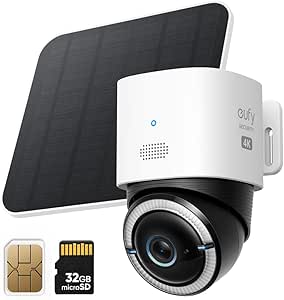
eufy Security 4G LTE Cam S330 4K Solar Outdoor Camera with Pan and Tilt, AI Tracking, SIM Card and 32GB SD Card
As an affiliate, we earn on qualifying purchases.
What the Guide Covers
The Family Handyman report is presented as a collection of answers to refrigerator questions, rather than a report of a new product, regulation or safety recall. The supplied material covers water dispensers, ice maker cleaning, freezer temperature, cooling problems, stainless-steel cleaning and condenser-coil maintenance, as well as the start of an ice-maker troubleshooting answer.
For coil cleaning, the guide says to unplug the refrigerator first, locate the coils—often behind a front kickplate or at the back—and remove dust with a vacuum and a soft brush or duster. It recommends cleaning the surrounding floor, reattaching panels and reconnecting the appliance afterward. Readers should consult their model’s owner’s manual for access and filter instructions.
“The ideal freezer temperature is zero degrees.”
— Family Handyman, in the supplied refrigerator guide
Limits of the Troubleshooting Advice
The supplied report does not give a publication date, and the excerpt ends partway through its answer about an ice maker that is not producing ice. It says to listen for sounds from the auger and notes that a rumble without ice may point to ice stuck in the door chute, but the remaining steps are not included. The excerpt therefore does not support a complete troubleshooting procedure for that problem.
The guide also cannot determine why a specific refrigerator is warm or whether its fan, switch, compressor or another part has failed. It does not provide model-specific instructions, repair costs or a threshold for when professional service is required. Those details depend on the appliance and the symptoms.
Check the Model Before Repairs
Readers can use the guide’s basic checks, then refer to the owner’s manual for model-specific directions on shutting off the ice maker, replacing a filter and accessing coils. If cleaning and simple checks do not restore cooling—or food temperatures remain unsafe—the next step is to seek qualified appliance service rather than treat the guide as a repair diagnosis.
The supplied material does not announce a follow-up report or a scheduled update. Any further troubleshooting advice would need to be checked against the full article and the refrigerator manufacturer’s instructions.
Key Questions
Why might refrigerator dispenser water not be very cold?
Family Handyman says many newer models route water through tubing that passes warmer parts of the refrigerator, rather than holding it in a chilled reservoir. The first few ounces may be warmer; waiting between fills can give water in the tubing time to cool.
What temperature should a freezer be set to?
The guide gives zero degrees Fahrenheit as the recommended setting and attributes the guidance to the FDA and USDA.
How often should an ice maker be cleaned?
Family Handyman recommends cleaning it once or twice a year, depending on use, particularly if the ice has an unpleasant smell or taste. Follow the refrigerator manual for model-specific instructions.
What should I check if the refrigerator runs but does not get cold?
The report lists dirty condenser coils, a blocked or faulty condenser fan and a door switch that leaves the interior light on as possible causes. These checks do not confirm the source of a particular failure; persistent cooling problems may need professional diagnosis.
Source: rss