To vacuum around your pets without causing stress, schedule cleaning sessions when they’re calm or distracted, like during playtime. Use slow, steady movements, and keep an eye on them to prevent startling. Invest in pet-specific vacuums for better efficiency, and maintain your equipment regularly. Regular grooming can help reduce shedding, making vacuuming easier. Creating a positive environment can help your pets feel safe, and there are more strategies to guarantee a stress-free cleaning experience.

Get cleaning gear delivered free with Prime
- Fast, free delivery on millions of items
- Prime Video, Amazon Music and more included
- Member-only deals all year
Key Takeaways
- Schedule vacuuming during quiet times when pets are less active to minimize stress and disruption.
- Use pet-specific vacuums with specialized attachments for efficient hair removal without startling pets.
- Employ slow, steady movements while vacuuming to help pets acclimate and feel safe.
- Regularly groom pets to reduce shedding, making vacuuming easier and less frequent.
- Create a calm environment by engaging pets with toys or treats during cleaning sessions.

Have you ever wondered how to keep your home clean while accommodating your furry friends? Vacuuming around pets can be a challenging yet necessary task. With all that pet hair floating around, it’s essential to stay on top of pet hair removal to maintain a clean living space. The good news is that you can do this without causing stress for yourself or your pets. By following a few simple strategies, you’ll find that keeping your home tidy doesn’t have to be a formidable chore.
First, consider the timing of your vacuuming sessions. Pets can be sensitive to loud noises, so it’s best to vacuum when they’re either out of the house or in a separate room away from the noise. If your furry friend gets anxious, creating a calm environment will help ease their stress. You might play with them or give them a treat to keep them occupied during your cleaning spree. This way, you can focus on pet hair removal without worrying about your pet’s discomfort.
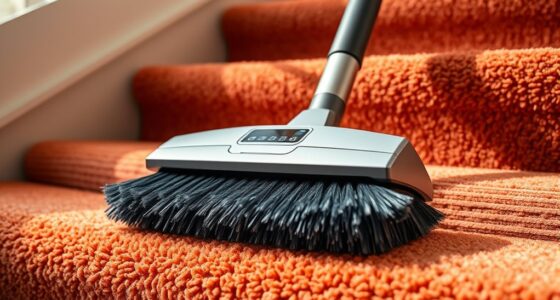
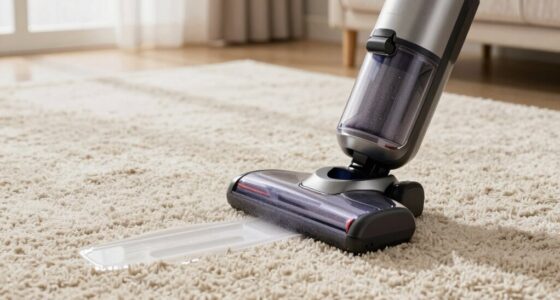
Next, guarantee your vacuum is up to the task. Regular vacuum maintenance is crucial for efficient cleaning. Check the filters and empty the canister frequently, as clogged filters can reduce suction power. A well-maintained vacuum not only performs better but can also make the process quicker, allowing you to finish before your pet even notices. Consider investing in a vacuum specifically designed for homes with pets. These often come with specialized attachments that tackle pet hair more effectively, similar to upgraded exhaust systems found in Mazda tuning that enhance performance.
While vacuuming, use slow and steady movements. Quick, erratic motions can startle your pet, making them anxious about the loud machine. Instead, move methodically, allowing your pet to observe you from a safe distance. If they seem curious, invite them closer, so they associate the vacuum with a non-threatening experience. Sometimes, a little distraction, like a favorite toy, can help ease their nerves while you get the job done.
Lastly, don’t forget about your pet’s grooming routine. Regular brushing can greatly reduce the amount of hair that ends up on your floors. By staying ahead of the shedding, you’ll find that vacuuming becomes a less frequent and more manageable task. Ultimately, with the right approach to pet hair removal and vacuum maintenance, you can keep your home clean without causing stress to you or your furry friends. Embrace these strategies, and you’ll find that a clean home and happy pets can coexist harmoniously.
pet-specific vacuum with attachments
As an affiliate, we earn on qualifying purchases.
As an affiliate, we earn on qualifying purchases.
Frequently Asked Questions
How Can I Tell if My Pet Is Stressed by Vacuuming?
You can tell if your pet is stressed by vacuuming by observing their behavior. If you notice signs of pet anxiety, like hiding, excessive barking, or pacing, it’s likely the vacuum noise is bothering them. Watch for changes in their body language too; flattened ears or a tucked tail can indicate stress. If they seek comfort or try to escape the area, it’s a clear sign that they’re not happy with the situation.
Are There Specific Vacuum Models Quieter for Pets?
When it comes to quiet models, you’re in luck! Many brands now feature vacuum cleaners specifically designed for noise reduction. Look for models labeled as “silent” or “low-noise,” which can markedly decrease disturbances. Brands like Dyson and Miele offer advanced technology that minimizes sound while maximizing suction. Choosing these quieter options not only eases your cleaning routine but also keeps your furry friends feeling calm and comfortable during your cleaning sessions.
Can Vacuuming Help With Pet Allergies?
Yes, vacuuming can help with pet allergies. By regularly vacuuming your home, you reduce pet allergy triggers like dander and hair. This not only cleans your space but also improves air quality. Using an air purifier alongside vacuuming amplifies the benefits, capturing allergens that settle in the air. You’ll notice fewer allergy symptoms over time, making your home more comfortable for you and your pets. Keep your space clean to breathe easier!
What Are Signs My Pet May Need a Break During Vacuuming?
If your pet’s panting increases, they’re hiding, or their tail is tucked, it’s time for a break. During vacuuming, watch for signs like excessive barking or pacing, which indicate stress. You can improve your pet’s comfort through proper pet training, helping them associate the vacuum with positive experiences. Additionally, keep your vacuum in good shape; regular vacuum maintenance guarantees it’s quieter, reducing stress for your furry friend during cleaning sessions.
How Often Should I Vacuum if I Have Pets?
If you have pets, you should vacuum at least once a week, but daily is even better for effective pet hair removal. Keep your vacuum maintenance in check by regularly cleaning filters and brushes to guarantee peak performance. Consider using a vacuum specifically designed for pet hair, as it makes the job easier. By staying on top of your vacuuming routine, you’ll keep your home cleaner and reduce allergens from pet dander.
Conclusion
In the end, creating a calm and comforting vacuuming routine can help your pets feel safe and secure. By using patience, positive reinforcement, and playful distractions, you can transform a potentially stressful situation into a peaceful process. With a little practice, your furry friends will learn to tolerate the noise and movement, making clean-ups a breeze. So, take charge, and turn your tidy time into a delightful dance of harmony with your beloved buddies!
Columbus Day / Indigenous Peoples' Day Picks
long weekend sales
As an affiliate, we earn on qualifying purchases.