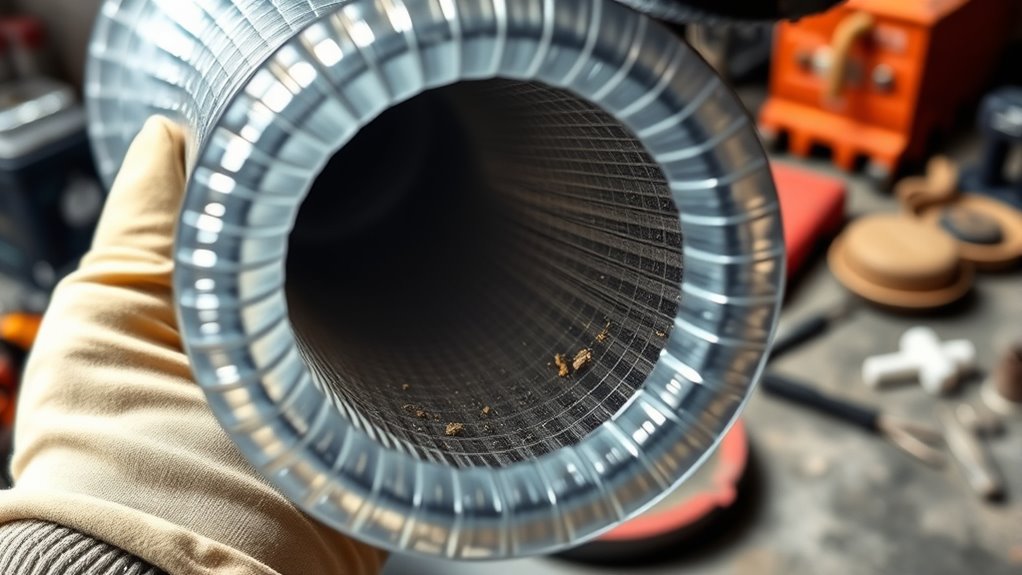

Before you start vacuuming, inspect your hose for blockages. Check the entire length for kinks, twists, or debris. Detach the hose if possible and look inside for hair, coins, or toys that may be lodged. Use your hand or a flexible tool to clear out any obstructions. Regularly inspecting and clearing your hose prevents suction loss and protects your vacuum motor. Keep going, and you’ll discover more tips to keep your vacuum running smoothly.

Get cleaning gear delivered free with Prime
- Fast, free delivery on millions of items
- Prime Video, Amazon Music and more included
- Member-only deals all year
Key Takeaways
- Detach the hose to inspect its entire length for blockages or damage.
- Check for kinks, twists, or debris that may restrict airflow during inspection.
- Use hands or flexible tools to dislodge debris lodged inside the hose.
- Look for common clog objects like hair, coins, toys, or sharp objects.
- Conduct a thorough internal examination to ensure no obstructions remain before vacuuming.
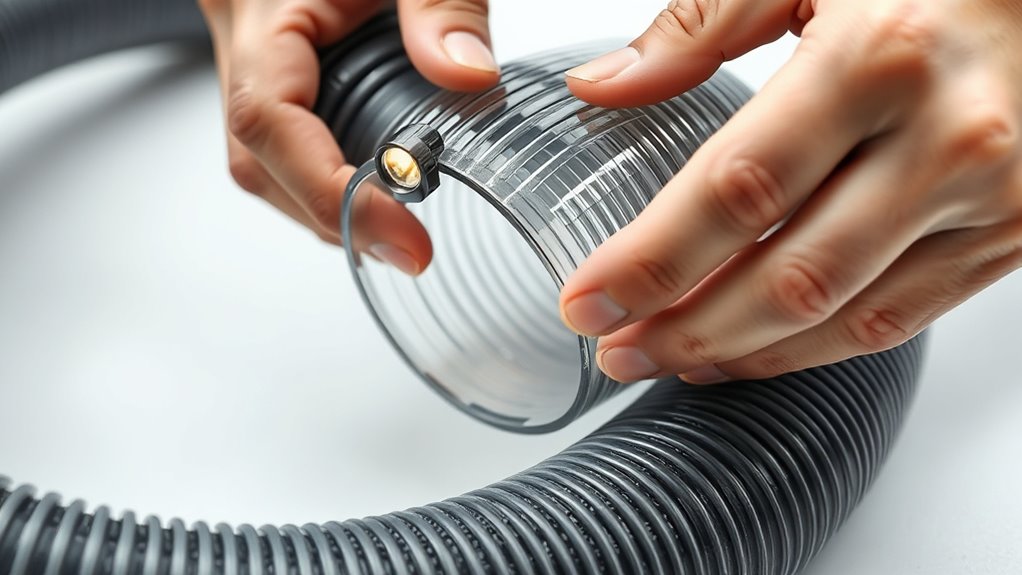
Before you start vacuuming, it’s essential to clear any clogs in your vacuum’s hose or attachments, as these blockages can reduce suction and make cleaning less effective. Regular hose maintenance is key to ensuring your vacuum operates at peak performance. A clogged hose not only hampers suction but can also strain your motor, leading to potential damage over time. Before each cleaning session, take a moment to inspect the entire length of your vacuum’s hose for obstructions. Look for any kinks, twists, or debris that might restrict airflow. Clearing these obstructions early helps prevent buildup that could turn into a stubborn clog.
Regularly inspect and clear your vacuum hose to prevent clogs and maintain optimal suction.
To effectively prevent clogs, it’s important to understand common causes. Loose debris, tangled hair, or small objects like coins and toys often get lodged inside the hose, especially in households with pets or children. Performing routine hose maintenance by checking for and removing these items keeps airflow unimpeded. When inspecting, detach the hose from the vacuum if possible, so you can thoroughly examine the interior. Use your hand or a long, flexible tool to gently dislodge any debris. If you notice a blockage that’s difficult to remove, running water through the hose can help flush out stubborn debris, but ensure it’s completely dry before reattaching to avoid mold growth.
Clog prevention isn’t just about fixing blockages when they happen; it’s also about establishing good habits. Avoid vacuuming over large, sharp objects that can puncture or tear the hose. Regularly empty your vacuum’s dustbin or replace filters to reduce the chances of debris backing up into the hose. Check the attachments and nozzles for obstructions too, as clogs often originate there and travel into the hose. Maintaining a clean hose and attachments minimizes the risk of buildup, prolongs your vacuum’s lifespan, and keeps it running smoothly.
In addition, consider using tools like a long brush or a compressed air canister to clear out the hose periodically. This proactive approach to clog prevention ensures airflow remains unobstructed, making your cleaning sessions more efficient. Staying aware of hose condition and performing regular maintenance can help prevent costly repairs and extend the life of your vacuum. Remember, a well-maintained hose not only improves suction but also reduces the likelihood of overheating your vacuum motor due to strain. Incorporate these simple hose maintenance routines into your regular cleaning schedule, and you’ll find that your vacuum performs better, lasts longer, and provides a more thorough clean every time.
Frequently Asked Questions
How Often Should I Check My Vacuum Hose for Clogs?
You should check your vacuum hose for clogs every few months to guarantee smooth hose maintenance and clog prevention. Regular inspections help you catch obstructions early, preventing strain on your vacuum motor and maintaining ideal suction power. If you notice a decline in performance, inspect the hose immediately. Incorporate routine hose checks into your cleaning schedule to keep your vacuum running efficiently and avoid larger issues caused by hidden clogs.
Can I Use Any Tools to Clear a Blocked Hose?
Yes, you can use various clog removal tools to clear a blocked hose. During hose inspection, identify the clog and then use tools like a broomstick, long screwdriver, or a flexible brush to dislodge debris. Make sure to be gentle to avoid damaging the hose. These tools help effectively remove blockages, ensuring your vacuum operates smoothly and efficiently after the hose is clear.
What Signs Indicate a Hose Clog Needs Immediate Attention?
You’ll notice a hose clog needs immediate attention when airflow issues become clear, power weakens, or the hose appears damaged. If you feel reduced suction, see debris buildup, or spot cracks and tears, it’s time to act. These signs threaten your vacuum’s performance, causing hose damage and frustrating cleaning. Don’t ignore them—address airflow issues and repair hose damage promptly to keep your vacuum running smoothly and efficiently.
Is It Safe to Forcefully Remove a Stubborn Clog?
You shouldn’t forcefully remove a stubborn clog, as it can cause hose damage. Instead, try gentle cleaning techniques like using a long, flexible brush or running warm water through the hose to loosen the debris. Avoid applying excessive force, which can tear or crack the hose. Patience and proper cleaning methods safeguard your vacuum’s hose and ensure it functions efficiently without damage.
Should I Replace My Vacuum Hose if It Frequently Clogs?
If your vacuum hose frequently clogs, it’s probably time to replace it. Replacing the hose guarantees better vacuum performance and avoids damage from prolonged strain. Consider the vacuum hose durability and replacement costs—sometimes investing in a higher-quality hose saves money long-term. Don’t keep using a damaged hose, as it can lead to more clogs and reduced suction. Replacing it now keeps your vacuum working efficiently and prevents further issues.
Conclusion
So, next time your vacuum acts more like a paperweight, don’t just blame the machine. Take a moment, inspect that hose, and clear out the mystery debris. After all, a clogged hose is a tiny rebellion against your cleaning efforts—like a stubborn cat refusing to move. Remember, a little maintenance now saves you from the chaos of unexpected cleaning disasters later. Who knew that inspecting a hose could be so revolutionary? Happy vacuuming!
Columbus Day / Indigenous Peoples' Day Picks
long weekend sales
As an affiliate, we earn on qualifying purchases.