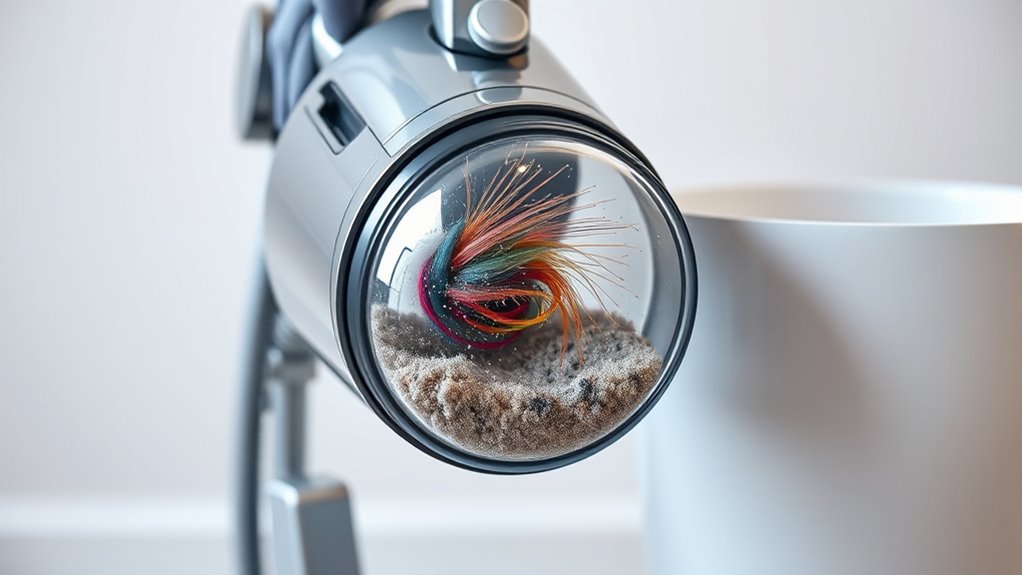

To safely dispose of vacuum contents containing allergens, always seal the vacuum bag tightly before throwing it out. If you’re using a bagless vacuum, empty the canister into a sealed plastic bag while wearing a mask and gloves. Dispose of this bag immediately in outdoor trash to prevent allergens from re-entering your home. Regularly replace bags and filters, and maintain your vacuum to guarantee it effectively traps allergens. There are more tips for effective allergen management that you might find helpful.
Key Takeaways
- Seal vacuum bags tightly before disposal to contain allergens and prevent their release into the environment.
- For bagless vacuums, empty canisters into a sealed plastic bag to minimize allergen disturbance.
- Wear a mask and gloves when handling vacuum contents to protect yourself from allergens.
- Dispose of sealed bags promptly in outdoor trash bins to prevent allergen re-entry indoors.
- Regularly replace vacuum bags and filters to maintain effective allergen trapping and overall indoor air quality.

When you vacuum your home, you’re not just picking up dirt; you’re also collecting allergens that can affect your health. Dust mites, pet dander, pollen, and mold spores are just a few of the irritants lurking in your carpets and upholstery. That’s why it’s essential to understand how to handle the contents of your vacuum cleaner safely. If you don’t, you could inadvertently release these allergens back into your environment, negating the benefits of your cleaning efforts.
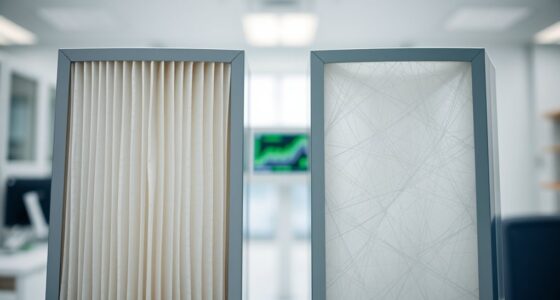
Using a vacuum equipped with HEPA filtration is a smart choice. HEPA filters are designed to trap tiny particles, ensuring they don’t escape back into the air once you’ve vacuumed them up. This feature is especially important for individuals with allergies or asthma, as it minimizes exposure to airborne allergens. However, even with HEPA filtration, proper disposal of the vacuum contents is imperative to maintaining a healthy living space.
Utilizing a HEPA-filtered vacuum is crucial for trapping allergens and ensuring cleaner air, especially for allergy sufferers.
So, what should you do with the collected allergens once you’ve finished vacuuming? First, don’t simply dump the vacuum bag or canister into your trash. This action can stir up the allergens and send them flying back into your home. Instead, you should take the vacuum bag or canister directly outside to your garbage bin. If your vacuum uses a bag, seal it tightly before disposal to ensure the allergens stay contained.
If you have a bagless vacuum, consider emptying the canister into a plastic bag. Seal the bag tightly to prevent any dust or allergens from escaping. Wear a mask and gloves while doing this to protect yourself from inhaling any particles. After sealing the bag, immediately dispose of it in your outdoor trash bin. This method emphasizes allergen containment, ensuring that what you’ve just cleaned up doesn’t make its way back into your living area. Additionally, regularly replacing your vacuum’s HEPA filter can significantly enhance its effectiveness in trapping allergens.
Regularly emptying and disposing of vacuum contents is just one part of maintaining a healthy home. Remember to clean your vacuum itself, as filters and brushes can also harbor allergens. Most HEPA filters need replacing according to the manufacturer’s instructions, so keep an eye on that. By taking these precautions, you’re not just cleaning your floors; you’re actively creating a safer environment for you and your family.

2 + 4 Pack Filters for Shark Vacuum Navigator Lift Away Filter Replacement ZU503AMZ NV350 NV351 NV352 NV355 NV356E NV357 NV360 NV370 UV440 UV540, Parts XFF350 XHF350
- Compatible with Multiple Shark Models: Fits various NV and UV series models
- Valuable Multi-Pack Set: Includes foam, felt, and HEPA filters
- High-Efficiency HEPA Filters: Blocks secondary air pollution effectively
As an affiliate, we earn on qualifying purchases.
As an affiliate, we earn on qualifying purchases.
Frequently Asked Questions
Can I Compost Vacuum Contents if They Contain Allergens?
You shouldn’t compost vacuum contents if they contain allergens. While allergen degradation can occur in compost, the risks to your health and safety aren’t worth it. Composting safety is vital, and introducing potential allergens into your compost can affect future soil health and plant growth. It’s better to dispose of those contents in a sealed bag in the trash, ensuring you protect yourself and others from unwanted allergic reactions.
What Personal Protective Equipment Should I Use During Disposal?
When you’re tackling a messy cleanup, think of yourself as a superhero preparing for battle. To protect yourself during disposal, you should wear protective gloves and a respiratory mask. These items shield you from allergens and minimize exposure to harmful particles. Just like a superhero dons their armor, you’re gearing up for a safer environment. Remember, taking these precautions guarantees you can tackle the task at hand without compromising your health.
How Often Should I Empty My Vacuum to Prevent Allergen Buildup?
You should empty your vacuum at least once a month to prevent allergen accumulation, but if you have pets or allergies, consider doing it more often. Regular vacuum maintenance helps guarantee peak performance, so pay attention to the dustbin. If it fills quickly, empty it after each use. Keeping your vacuum clean reduces the risk of allergens circulating in your home, promoting a healthier environment for you and your family.
Are There Specific Bags for Allergen Containment in Vacuums?
Yes, there are specialty allergen bags designed for vacuums that enhance your cleaning routine. While standard bags might let some particles escape, these specialized bags work alongside advanced vacuum filtration systems to trap allergens effectively. Imagine the difference between dust floating around and a clean, allergen-free environment. By using these bags, you not only improve your air quality but also create a healthier home for you and your family. It’s a win-win!
Can Vacuum Contents Be Recycled if They Contain Allergens?
No, you can’t recycle vacuum contents if they contain allergens. Vacuum recycling isn’t suitable for materials that might spread allergens, as it poses health risks. Instead, you should focus on proper allergen containment by sealing the contents in a bag before disposal. Always check your local regulations for disposal guidelines to make certain you’re handling these materials safely. Your health and safety should be the priority when dealing with allergens in vacuum contents.
Conclusion
In essence, safely sifting through vacuum contents containing allergens is vital for a cleaner, healthier home. By bagging, sealing, and disposing of these particles properly, you protect yourself and your loved ones from potential problems. Remember, your diligence delivers a dust-free domain, diminishing dangers and enhancing everyday ease. Take these simple steps, and you’ll transform your tidying into a triumph over allergens, creating a safer sanctuary for all who enter your space.