
In just five minutes, you can tackle pet fur emergencies by swiftly grabbing your lint roller, microfiber cloth, or pet-specific de-shedding tools to remove fur from clothing and furniture. Quickly run your handheld or full-sized vacuum with pet hair attachments on floors and upholstery. Keep these supplies close so you can act fast and prevent fur from settling. If you want to master an efficient, stress-free cleanup plan, there’s more to discover to keep your home fur-free.
Key Takeaways
- Keep a lint roller, pet hair brush, and microfiber cloth nearby for quick surface cleaning.
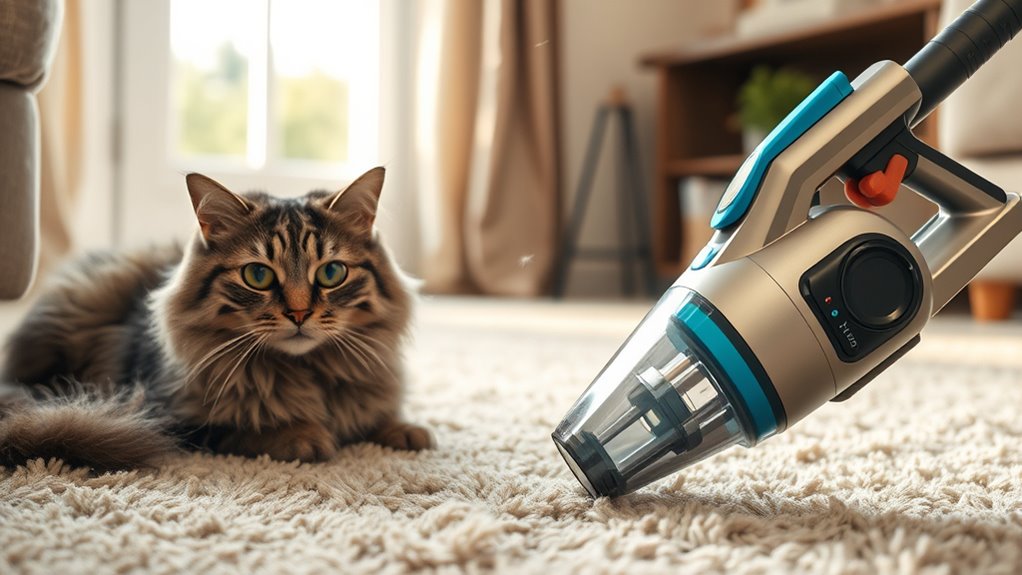
- Use a handheld vacuum or vacuum attachment to swiftly remove fur from floors and furniture.
- Groom your pet regularly to minimize shedding and fur accumulation during emergencies.
- Use damp gloves or a rubber brush on upholstery for immediate fur removal.
- Maintain quality cleaning tools and supplies to ensure fast, effective cleanup when needed.
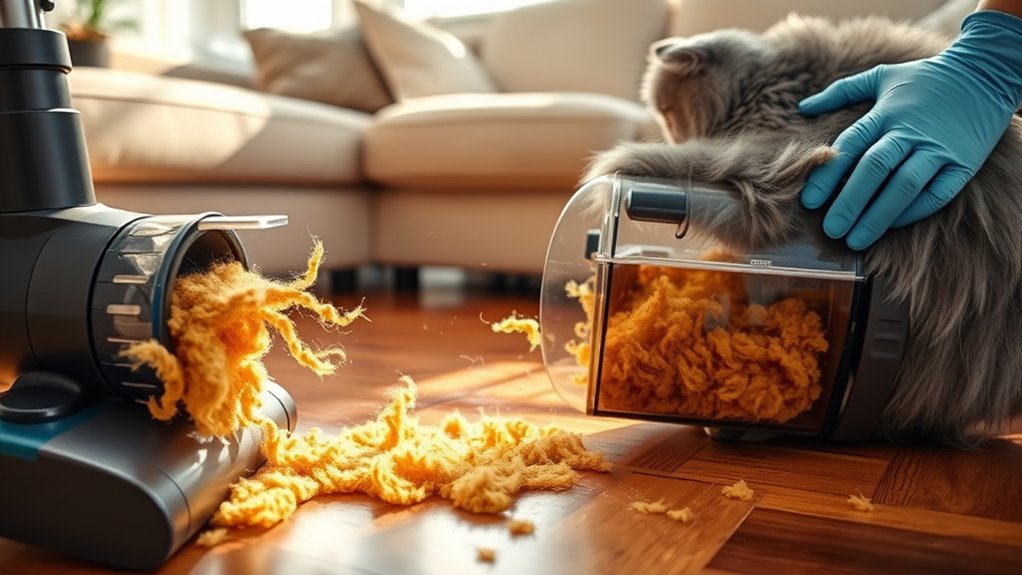
Keeping pet fur under control can feel like an ongoing battle, but establishing a regular cleanup routine makes it manageable. When fur starts to pile up unexpectedly, having a quick, effective plan is essential. One of the most important steps is knowing the right grooming techniques to keep shedding in check. Regular brushing not only helps reduce loose hair but also keeps your pet comfortable and healthy. Use appropriate grooming tools—like slicker brushes, de-shedding combs, or rubber mitts—depending on your pet’s coat type. Consistent grooming minimizes the amount of fur that ends up on your furniture and floors, making emergency cleanups less stressful.
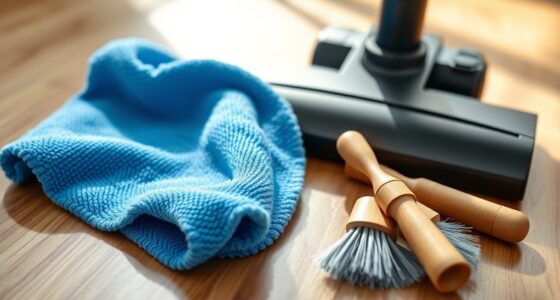
Equipping yourself with the right cleaning supplies is equally *vital*. Keep a stash of lint rollers, handheld vacuums, and microfiber cloths nearby. These tools are your first line of defense when fur suddenly accumulates on clothing, upholstery, or carpets. For larger messes, a full-sized vacuum with a pet hair attachment can save you time and effort. Have some pet-safe cleaning sprays or wipes on hand to quickly disinfect and refresh surfaces after fur removal. When fur gets embedded into upholstery or deep into carpets, consider using a pet hair removal brush or a rubber glove to loosen and lift stubborn hairs. These supplies allow you to respond swiftly before fur settles in permanently.
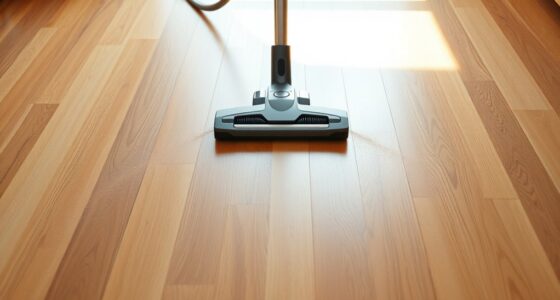
Timing matters, too. Incorporate grooming sessions into your routine—preferably daily or every few days—to keep shedding manageable. This proactive approach prevents fur from becoming a runaway problem during emergency cleanups. When fur does suddenly cover the living room, your quick access to effective cleaning supplies makes all the difference. For upholstery or clothing, a lint roller or damp cloth can remove fur in seconds, saving you from lengthy scrubbing sessions. For floors and carpets, a quick run with your vacuum equipped with a pet hair attachment will pick up the mess without much hassle. Additionally, understanding the importance of a high-quality vacuum can significantly enhance your fur cleanup efforts.
In a pet fur emergency, speed and efficiency are key. Having a well-stocked kit of grooming tools and cleaning supplies allows you to tackle fur buildup head-on. By sticking to a regular grooming schedule and keeping your cleanup essentials handy, you’ll find that controlling pet fur becomes less of a chore and more of a manageable routine. This way, you can enjoy a cleaner, fur-free home even during those unexpected fur emergencies.
Frequently Asked Questions
How Often Should I Vacuum to Prevent Pet Fur Buildup?
You should vacuum regularly to keep pet fur under control, especially if your pet sheds a lot. For shedding control, aim for at least two to three times a week, focusing on high-traffic areas. During heavy shedding seasons, increase your vacuum frequency to every other day. This routine helps prevent fur buildup, maintains a cleaner home, and reduces allergens, making it more comfortable for everyone.
Are There Eco-Friendly Cleaning Options for Pet Fur?
Like a knight armed with eco-friendly armor, you can combat pet fur sustainably. Use biodegradable sprays to reduce chemical harm and opt for natural fiber brushes, which are gentle yet effective. These eco-conscious choices help you clean thoroughly without harming the environment. By integrating these options into your routine, you guarantee a cleaner home and a healthier planet, all while keeping your pet’s fur in check.
Can Pet Fur Cause Allergies or Respiratory Issues?
Pet fur can indeed cause allergies or respiratory issues because airborne allergens like pet dander affect many people. When pet dander becomes airborne, it can trigger symptoms such as sneezing, coughing, or itchy eyes. To minimize these pet dander effects, you should regularly clean your home, use HEPA filters, and bathe your pet. This helps reduce airborne allergens and keeps your environment healthier for allergy sufferers.
What’s the Best Way to Remove Fur From Delicate Fabrics?
Did you know that pet fur can cling to delicate textiles for days? To remove fur effectively, use a gentle fabric maintenance approach. Try a lint roller or a soft brush to lift fur without damaging fibers. For stubborn spots, dampen a microfiber cloth and gently wipe the fabric. Avoid harsh chemicals or excessive scrubbing, as they can harm delicate textiles. Keep your fabrics fur-free and looking fresh with these simple tips.
How Do I Train My Pet to Shed Less?
To train your pet to shed less, establish consistent grooming routines, brushing them regularly to remove loose fur before it falls around your home. You can also make dietary adjustments, like adding omega-3 fatty acids, to promote healthier, less shedding fur. Reinforce positive behavior with treats and praise during grooming sessions, and be patient as your pet gradually learns to shed less over time.
Conclusion
Just like a quick flick of the wand restores order in a busy wizard’s world, this five-minute fur cleanup keeps your home calm and cozy. Remember, even the most chaotic days pass, and with a simple routine, you regain control and peace. Embrace these moments as your own personal spell—transforming mess into tranquility. In the end, a tidy space isn’t just about fur; it’s about nurturing harmony amidst life’s little storms.